
Review · ILE-DE-FRANCE
Louvre Guided Treasure Hunt for Families and Kids
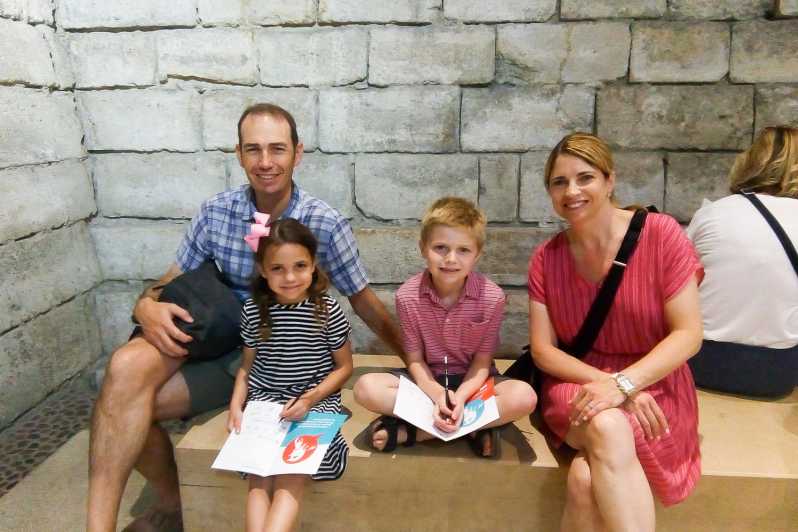
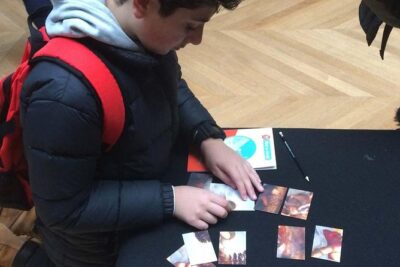
The Louvre becomes a game, not a chore. This private two-hour tour gives children age-appropriate activity booklets, clue cards, and a guide who turns major artworks into a treasure hunt. I especially like the family-only format and the way the route includes famous sights such as the Mona Lisa, Venus of Milo, and Winged Victory. The main drawback is the price: $743 for up to four people is a serious investment.
The guide handles the route, the crowds, and the explanations while you keep an eye on your children and enjoy the art yourself. I also like the short, focused format, which fits a family visit better than trying to conquer the entire museum. Still, the activities can slow the pace, and one family felt two hours did not allow enough time for the number of artworks covered.
What makes this Louvre treasure hunt different
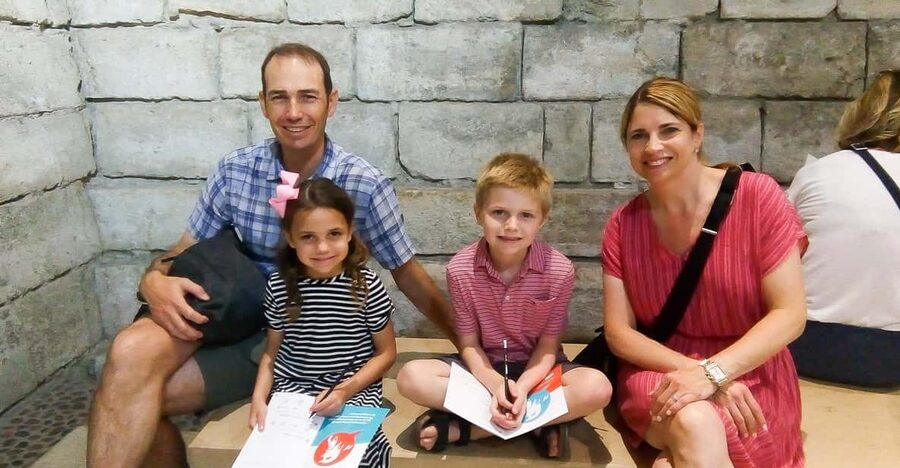
- Clues turn art into a mission: Children answer questions, collect cards, and solve a final puzzle.
- Two age ranges are supported: Booklets are tailored for children ages 3 to 6 or 7 to 12.
- The guide keeps the family moving: You follow a planned route instead of wandering through the Louvre’s enormous galleries.
- The famous sights are included: Expect the Mona Lisa, Venus of Milo, and Victory of Samothrace.
- Private groups make the pace flexible: Your guide can adjust explanations and activities for your children.
- Skip-the-line admission saves energy: This can matter greatly at a museum where the entry wait may be long.
Meeting your guide beside the Louvre pyramid
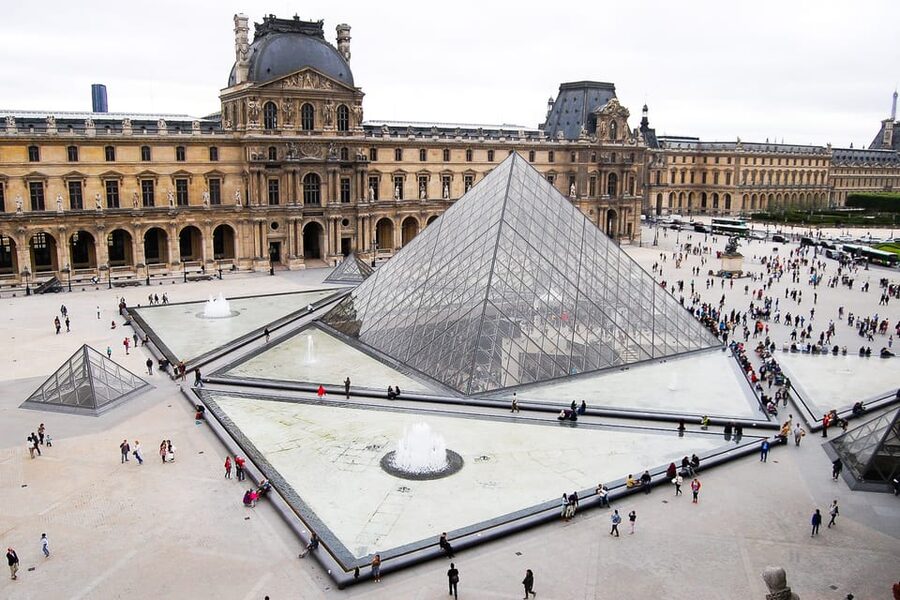
Your meeting point is by the equestrian statue of Louis XIV near the Louvre glass pyramid, at 8 Place du Carrousel. This is a sensible place to meet, but give yourself enough time to find the statue in the open plaza.
The Louvre sits in a busy part of central Paris, and the glass pyramid is easy to recognize. The exact meeting point is the statue, not simply the pyramid entrance, so look for the equestrian figure near the museum approach.
Once the guide gathers your private group, the visit begins with the children’s activity booklets. The materials are prepared for two age bands, ages 3 to 6 and 7 to 12. Younger children may spend more time coloring and drawing, while older children face observation tasks and questions tied to the artworks.
That age split matters. A three-year-old and a ten-year-old do not need the same explanation, and the activity is designed to avoid treating them as one audience. The tour follows the same general path, but the challenges change with the child’s age.
Bring identification or a photocopy of it. Also leave large luggage behind. Items larger than 55 by 35 by 20 centimeters are not allowed in the museum, and oversized bags can turn a simple family outing into a frustrating one.
More Treasure Hunts in France
- Louvre Museum Guided Family Treasure Hunt
★ 5.0 · 78 reviews - “Old Marseille” district tour and treasure hunt
★ 5.0 · 74 reviews - Louvre Museum – Private Family Tour with Da Vinci Treasure Hunt
★ 5.0 · 38 reviews
Why the treasure hunt works for children
The Louvre can be hard for adults to manage, let alone children. Its scale, crowds, grand rooms, and endless art can leave young visitors tired before they have seen the first major masterpiece.
The treasure hunt gives children a reason to look closely. Instead of hearing a long lecture about a painting or statue, they search for details, answer questions, and earn clue cards. Each correct answer moves the group toward the final puzzle.
That structure helps children feel involved. They are not simply following adults from one gallery to another. They have a task, and the task gives the visit a clear beginning, middle, and ending.
I like the way the activity uses observation rather than simple fact memorization. A child may need to notice a pose, a detail, a shape, or something unusual in a scene. Those small discoveries can make a very large museum feel manageable.
The approach also helps with crowds. One family with six-year-old twins and an eight-year-old found that the hunt distracted the children from the packed galleries. That is a real benefit. You cannot control how busy the Louvre is, but you can give children something useful to do while moving through it.
There is one tradeoff. Activities take time. A family who wants to see as many paintings and sculptures as possible may find the stops slow. One parent felt too much time went into quiz tasks, including an activity at the Mona Lisa, when the family would have preferred to move on to more art.
The Louvre highlights on a two-hour route
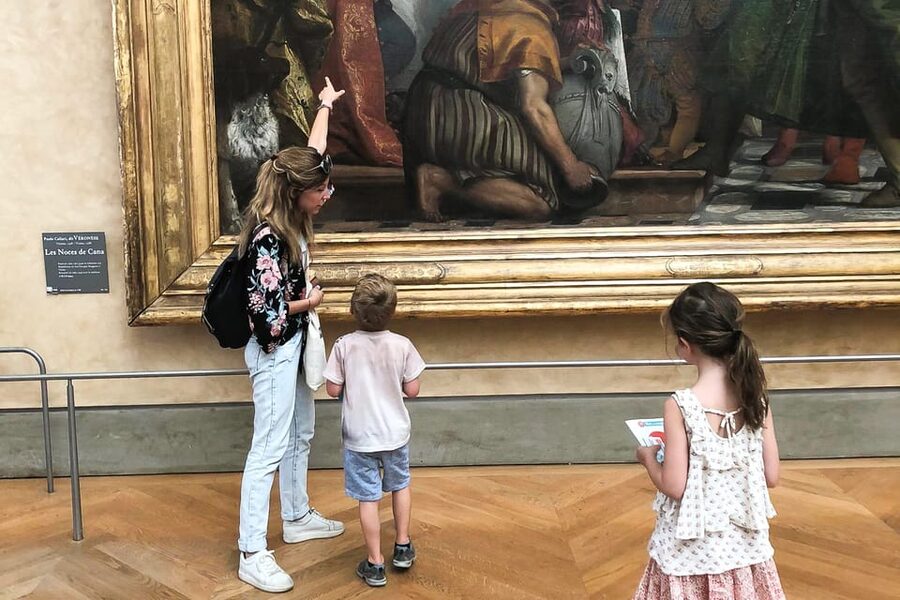
The route is designed to cover well-known works within two hours. That is not enough time to see the museum in any broad sense, but it is long enough for a family-friendly introduction.
The Mona Lisa
The Mona Lisa is an obvious stop, and it can also be one of the most difficult. Crowds gather around the painting, and your viewing time may feel brief compared with the effort needed to reach the room.
A guide helps you get there without wasting time on wrong turns. One family said the skip-the-line entry and direct route to the Mona Lisa saved at least an hour, though you should treat that as a possible benefit rather than a guarantee for every visit.
The children’s activity may ask them to compare details or take part in a spot-the-difference exercise. This gives them a job in front of a painting they may otherwise barely notice. If your children are already interested in the Mona Lisa, you may prefer to spend less time on the worksheet and more time looking at the work itself.
Same place, a different puzzle:
- Saw2 vs Squid Game – Escape Game Montpellier
★ 5.0 · 752 reviews - Prison Break – Escape game in Montpellier
★ 5.0 · 583 reviews - School of Magic – Escape game Montpellier
★ 4.5 · 536 reviews - Mission Possible – Escape game Montpellier
★ 5.0 · 437 reviews
Venus of Milo
The Venus of Milo gives the guide a chance to talk about sculpture, pose, and the way people respond to ancient art. Its missing arms also make it an easy work for children to discuss because the statue invites questions.
You might find that the sculpture stops are especially effective for younger children. They can focus on the figure, clothing, posture, and missing pieces without needing a long explanation of art theory.
The tour does not try to explain everything in the Louvre. Instead, the guide uses selected works to make the building and its collections less confusing. That approach is practical for a family visit, though it means you will leave many famous rooms unseen.
Victory of Samothrace
The Winged Victory of Samothrace is one of the Louvre’s most dramatic sights. Its position at the top of a grand staircase makes it memorable even for children who know little about ancient sculpture.
Here, the guide can connect the statue with movement, wind, clothing, and the feeling of arrival. These are ideas children can understand without needing a detailed art lesson.
The staircase and surrounding space also give the group a sense of the Louvre’s scale. You are not just looking at an isolated object in a quiet room. You are seeing art in a setting that feels grand and theatrical.
How the guides handle different ages
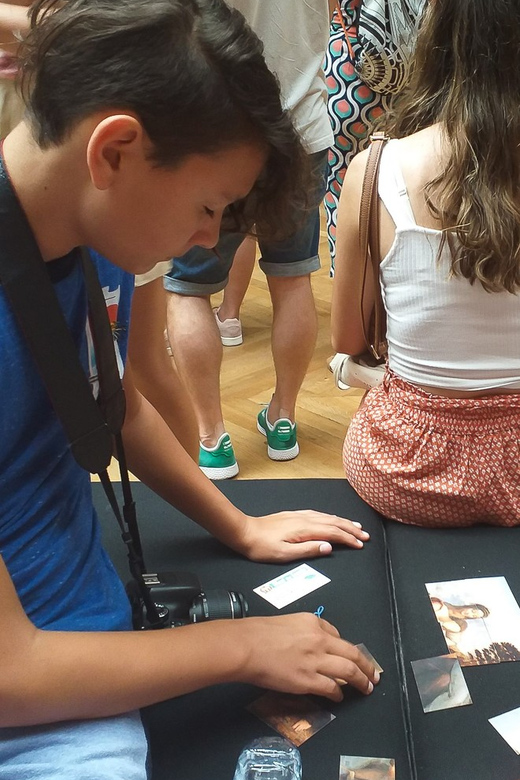
The guide is the key to this experience. The booklet provides the structure, but the adult leading the tour determines whether the children stay involved.
The strongest praise has gone to guides who combine short explanations with patience and humor. Marcella was singled out for keeping three children focused with concise stories. Justine received similar praise for making the museum enjoyable and helping a six-year-old learn along the way.
Sebastien handled a particularly wide age range, from five to thirteen, and was praised for communicating well with both children and adults. That is not an easy group to please. Younger children need movement and simple tasks, while teenagers may want more detail and independence.
Other guides named in family accounts include Amy, Marine, Roseane, Valerie, Yaelle, Quinten, and Marcela. Marine was especially effective with two girls aged ten and thirteen, using the booklet to maintain their curiosity while explaining the Louvre and its major works.
You should still tell the operator your children’s ages when booking. The activity is designed for specific age ranges, but children differ widely in attention span. One family with two children found the activity less engaging than expected, so a treasure hunt is helpful but not magic.
What adults get from the visit
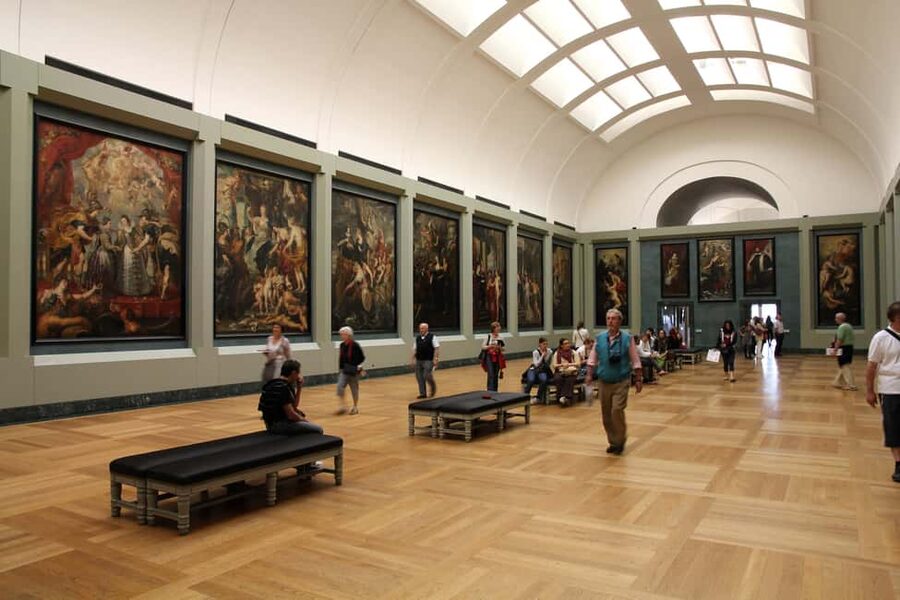
This is not only a child-care solution. The guide also shares stories about the works, the museum, and French royal history while the children work through their tasks.
That balance is one of the tour’s best features. You can listen to the explanation, help your child with a clue, and still take in the major works. Several families found the guide’s enthusiasm useful for adults as well as children.
The private setting makes a difference. You are not sharing the visit with an unrelated group that wants a different pace. If a child needs a moment, has a question, or wants to look at one detail longer, the guide can respond to your group.
The tour also removes the pressure of navigation. The Louvre is easy to enter and hard to understand. You can spend a great deal of time walking toward a famous room, only to discover that you have taken a wrong turn. A guide keeps the visit focused.
After the two-hour tour, you may have time to continue on your own, depending on the museum’s rules and your energy. One family appreciated having time afterward to explore independently. Even if you stop there, two focused hours is a reasonable amount for young children.
Is $743 good value for a family of four?
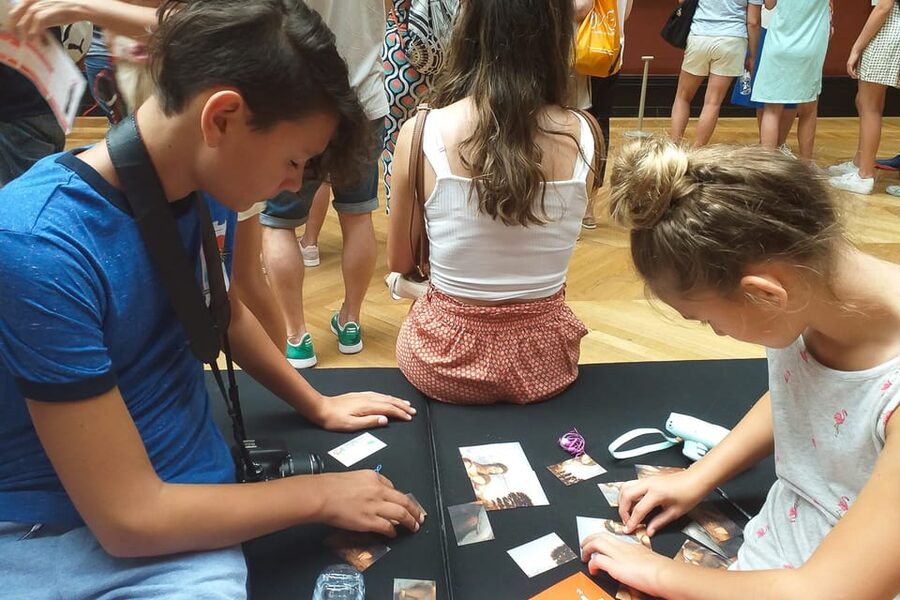
The price is $743 per private group of up to four people. For a full group, that works out to about $185.75 per person. It includes skip-the-line Louvre tickets, one activity booklet per child, and the treasure hunt kit.
That is expensive for two hours. You are paying for more than admission. The price covers a private English-speaking guide, planning, child-focused materials, and help with the museum’s crowded route.
The value is strongest if you would otherwise struggle to organize the visit. One family with three children said attempting the Louvre without a guide would have been a disaster. Another family felt the experience was worth the investment because the museum would have been overwhelming to navigate alone.
The value is weaker if your children are content to walk through galleries without a plan, or if your main goal is to see a large number of works quickly. The quiz activities can reduce the number of rooms you reach, and one parent felt the price should have delivered more art.
Families of four get the clearest per-person value. Larger families should check the booking terms carefully, since the stated price covers up to four people. For a family with three or four children, the cost per person can look better, but the group limit and booking details matter.
Timing, comfort, and practical limits
The experience lasts two hours. That is a good length for many children, especially younger ones who may tire in a huge museum. It is long enough to cover major highlights but short enough to avoid turning the visit into an endurance test.
Wear comfortable clothes. The Louvre requires walking and standing, and the family needs enough freedom of movement for crowded galleries and large rooms.
The experience is wheelchair accessible, which is useful for families who need step-free access. The supplied details do not explain the exact route or any possible access limits inside individual galleries, so ask the provider if your group has specific mobility needs.
Food and drinks are not included. You will need to arrange them separately, and large bags or oversized luggage cannot come into the museum. Plan around that rule rather than arriving with a full day’s luggage.
Tips are also not included. If your guide is patient, clear, and good at handling your children, leave room in your budget for a tip.
Cancellation is flexible up to 24 hours before the tour for a full refund. You can also reserve now and pay later, which helps if your Paris plans are still shifting.
Who should book this Louvre activity?

I would choose this for parents with children from about three to twelve who want a guided introduction rather than a full museum survey. It is particularly useful for first-time Louvre visitors who do not want to spend their limited Paris time searching for the main works.
It also suits grandparents traveling with children. The guide takes on the navigation and explanation, leaving the adults more attention for the children and the art.
Older children can enjoy it too, especially if they like puzzles and observation games. The activity is officially aimed at the 7 to 12 age range for older children, but one family used it successfully with children aged ten and thirteen.
I would think twice if your children dislike worksheets, puzzles, or stopping at one artwork for several minutes. I would also reconsider it if your priority is a fast list of many paintings. The hunt is designed for attention and participation, not maximum coverage.
My verdict on the family Louvre treasure hunt
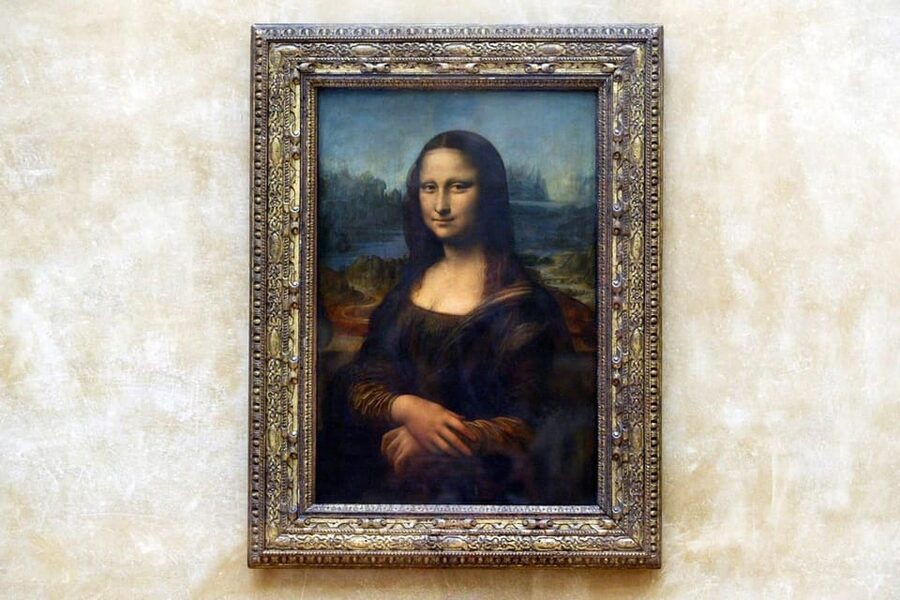
This is a smart way to introduce children to a museum that can otherwise feel far too large. The private guide, age-based booklets, clue cards, and focused route give the Louvre a purpose that children can understand.
The strongest reason to book is the guide’s role. Guides such as Marcella, Justine, Amy, Marine, and Sebastien were praised for patience, clear storytelling, and the ability to keep different ages involved. That human touch matters more than the booklet itself.
The main caution is cost. At $743 for up to four people, you should book only if private guidance and a calmer family visit are worth a premium. If they are, this tour can turn a difficult museum day into one of the better memories of your Paris trip. If your children are already happy in museums and you want to cover more ground, use the money elsewhere and visit independently.
FAQ
Where does the Louvre treasure hunt begin?
It begins at 8 Place du Carrousel, by the equestrian statue of Louis XIV near the Louvre glass pyramid.
How long does the tour last?
The guided Louvre visit lasts two hours.
What ages are the activity booklets designed for?
The booklets are tailored for children ages 3 to 6 or 7 to 12. Each age group follows the same general course with different challenges.
Are Louvre admission tickets included?
Yes. Skip-the-line tickets to the Louvre Museum are included, along with an activity booklet for each child and the treasure hunt kit.
Is the tour private and in English?
Yes. It is a private-group experience with a live English-speaking guide.
What should I bring to the Louvre?
Bring comfortable clothes and your identification or a photocopy of it. Bags larger than 55 by 35 by 20 centimeters, oversized luggage, and large bags are not permitted in the museum.
More Family and Kids Games in France
- Kids/teens escape game in Montmartre
★ 5.0 · 68 reviews - Paris Louvre : Private Treasure Hunt for Families or groups
★ 3.9 · 14 reviews - Family escape Game with kids and teens on the Île de la Cité
★ 4.5 · 11 reviews - Family Treasure Hunt in Montmartre
★ 4.5 · 6 reviews
Just added around France
- Historical treasure hunt in the city of Versailles★ 4.0 · 15 reviews
- Outdoor escape game | The Minotaur★ 4.5 · 2 reviews
- Escape game outdoor The Walking Dead in Tours★ 3.0 · 2 reviews
- Romantic Toulouse: Self-Guided Love Story Puzzle Walk★ 4.0 · 2 reviews
- Discover Toulouse while playing! Escape game – The alchemist★ 3.5 · 4 reviews
- Tours: Magic Team Escape Game in Town★ 3.0 · 2 reviews
- Urban escape game in Toulouse – Crazytopia★ 3.0 · 3 reviews
- Unusual treasure hunt at the Christmas markets in Strasbourg★ 5.0 · 9 reviews
Family and Kids Games, compared.






Greek Mythology Treasure Hunt for Kids – Athens Private Tour
Read our review →
Browse the lists this game appears in