
Review · PARIS
Family escape Game with kids and teens on the Île de la Cité
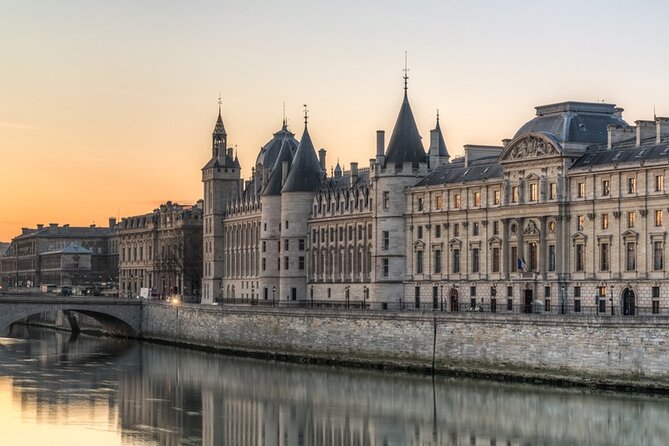
Paris becomes the game board. This two-hour family escape game uses Notre Dame and the Île de la Cité as the setting for questions, riddles, and educational challenges. I like the way it gets children looking closely at architecture, paintings, and historic details instead of simply walking past them. I also like the free family photos from the host, who works as a photographer.
The activity suits children from age three through the teen years, with several versions of the game available. The main caution is language: one family found the riddles too difficult, especially because English was not their first language. At $39.13 per person, the experience offers good value if your family enjoys puzzles, but it may not fit children who prefer free play or very simple clues.
Key points to know
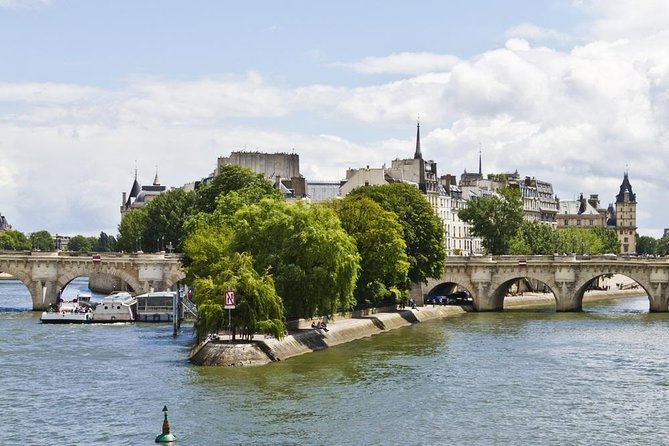
- Notre Dame provides the setting: Your family explores the Île de la Cité while solving challenges linked to Parisian culture.
- Several game versions are available: The activity is designed for children from age three through teenagers, with challenges adapted to different ages.
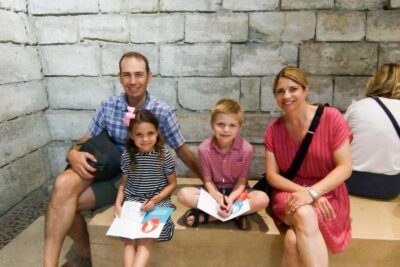
- The host adds free family photos: Ask if you would like pictures taken during the game.
- Learning is built into the fun: Children work on history, painting, architecture, observation, arithmetic, and French.
- The reward gives the game a clear finish: Children who complete the mission receive a gift, described by one family as delicious.
- Language can affect the experience: The riddles may feel hard for children who are not comfortable with the language used in the game.
Turning the Île de la Cité into a family game
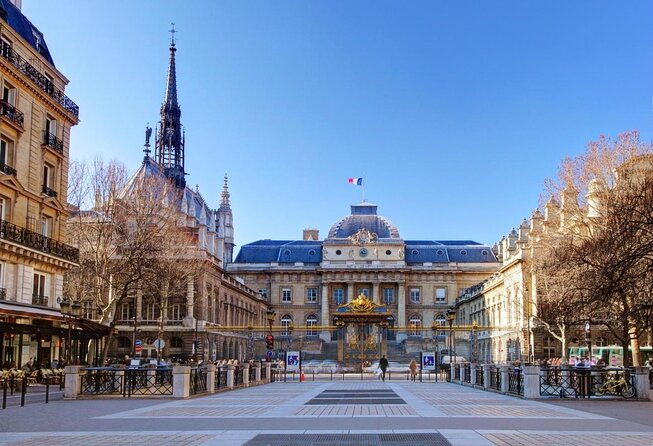
The Île de la Cité is one of the best places in Paris to give children a sense of the city’s past without putting them in a museum for two hours. Notre Dame, the bridges, the old streets, and the island’s grand public spaces provide plenty to notice. This activity gives your family a reason to stop, look, count, compare, and discuss what you see.
The format is closer to a guided treasure hunt than a traditional sightseeing tour. Your children receive a mission and work through questions, riddles, and educational games. You help when needed, but the children are meant to do the observing and problem-solving.
That distinction matters. A standard walking tour may ask children to listen while an adult explains. Here, the children have something to solve. A clue can make a carved detail or building shape feel important because it may help the group finish the next task.
I like the way the activity gives the island a purpose beyond taking photos at Notre Dame. You are not simply moving from one famous view to another. You are using the setting as a large outdoor classroom, with the game adding a little friendly pressure and a clear goal.
More Family and Kids Games in Paris
- Louvre Museum Guided Family Treasure Hunt
★ 5.0 · 78 reviews - Kids/teens escape game in Montmartre
★ 5.0 · 68 reviews - Louvre Museum – Private Family Tour with Da Vinci Treasure Hunt
★ 5.0 · 38 reviews
Starting at the Henri IV statue on Pont Neuf
The activity begins at the equestrian statue of Henri IV, at 15 Place du Pont Neuf. This is a practical meeting point on the western end of the Île de la Cité and near public transportation.
Arrive with enough time to find the statue and gather your group. The meeting point is specific, but a busy family with children may still appreciate a calm start rather than arriving at the last second. Your confirmation arrives at booking, so keep those details available on your phone.
Beginning near Pont Neuf puts you close to the island’s major sights from the outset. The statue also gives the children an immediate historical object to examine. Even before the first clue, they can begin looking at the horse, the rider, and the public space around them.
The end point is the same meeting place. That makes the activity easier to fit into a day of sightseeing. You do not need to arrange a second pickup location or work out how to reunite with your group elsewhere in Paris.
How the two-hour mission works
The exact sequence depends on the version of the game, so you should expect a flexible challenge rather than a fixed lecture with a rigid script. The central tasks are clear: answer questions, solve riddles, complete educational games, and finish the mission within about two hours.
The host guides the activity and helps the children when a clue becomes difficult. This is especially useful for younger children, who may need an adult to read or explain a question. Older children and teenagers can take more responsibility for finding answers and directing the group.
The game was created with help from a mother who is an associate professor and has three children. That background helps explain its mix of learning and play. The aim is not to test children in a formal school-like way. It is to make them use school skills in a setting that feels more active.
Expect the children to use:
- Historical knowledge
- Observation skills
- Basic arithmetic
- French language skills
- Awareness of painting and architecture
- Cooperation and discussion
The family works as a team, but the children remain the focus. That makes this a good choice for parents who want a shared activity rather than a tour where the adults do all the listening.
Notre Dame, architecture, and the clues around you
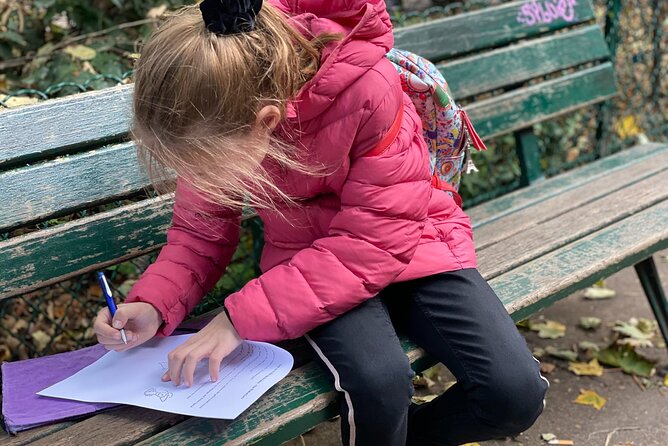
Notre Dame is the obvious visual anchor. Its beauty gives the game a strong setting, but the activity is not presented as a simple visit to the cathedral. The children are asked to connect what they see with questions and puzzles tied to the cultural character of the Île de la Cité.
This can change the rhythm of sightseeing. Instead of telling your children to appreciate a building, you can encourage them to inspect it for a clue or answer. Details in architecture may become useful. A painting or historic reference may shift from background decoration to part of the mission.
The cultural content also gives the activity more substance than a generic city scavenger hunt. Children are learning about history, painting, and architecture while moving through central Paris. The lesson stays light, but the setting is serious enough to hold the attention of older children.
There is a limit here. The information provided does not list every stop or identify each exact riddle, so you should not book this expecting a detailed architectural tour with a full explanation of every monument. The focus is the game, with cultural learning woven into it.
Same place, a different puzzle:
- Paris: Palais Garnier Mystery Game with Entry Ticket
★ 4.3 · 400 reviews - Who Killed Victor ? Escape Game at Père Lachaise Cemetery
★ 4.8 · 258 reviews - Escape game in Montmartre
★ 5.0 · 247 reviews - Escape Hunt Paris, Escape Game
★ 4.5 · 122 reviews
Riddles, language, and age differences
The age range is unusually broad, from three-year-olds to teenagers. That makes the availability of several game versions important. A clue that works for a teenager would likely be too hard for a preschooler, while a very simple task could bore an older child.
For a mixed-age family, expect the children to contribute in different ways. A young child might spot a visual detail or help with a simple observation. A teenager may handle a more complex riddle or arithmetic problem. Adults can keep the group moving without taking every answer away from the children.
The main issue is language. One family found the game too hard and not much fun because English was not their first language. That feedback is important, particularly for children who may understand spoken instructions but struggle with wordplay.
Riddles often depend on precise wording. A child can know the subject and still miss the answer because the clue uses an unfamiliar phrase or a language trick. Before booking, consider your children’s comfort with the language used during the activity. If they are learning French or are not fluent in English, ask Playgreen which version and language will suit them.
This is not a reason to avoid the activity for every multilingual family. It is a reason to be realistic. The game works best when the children can understand the clues well enough to feel challenged, not blocked.
A friendly host and free family photographs
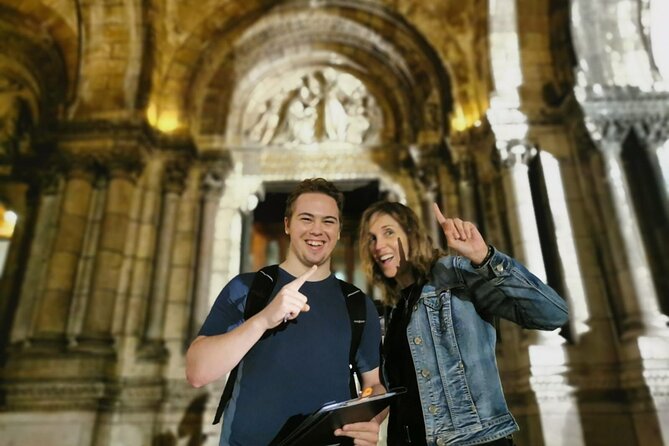
The host is also a photographer and will take family pictures free of charge if you would like them. That is a useful extra, especially because family trips often produce plenty of photos of the children and very few with everyone together.
Ask early if you want photographs, and make sure the whole family knows when a picture is being taken. The activity remains the main event, but a few photographs can give you a lasting record of the day around Notre Dame and the island.
The available feedback praises the game master as friendly and helpful. That matters more here than it would on a basic sightseeing walk. A good host needs to explain the rules, support children without giving away every answer, and keep the group from getting stuck on one difficult clue.
No individual guide name is provided, so you should not expect to request a particular person. The quality of the experience may depend partly on how well the host matches the game to your children’s ages and language ability.
The reward at the end
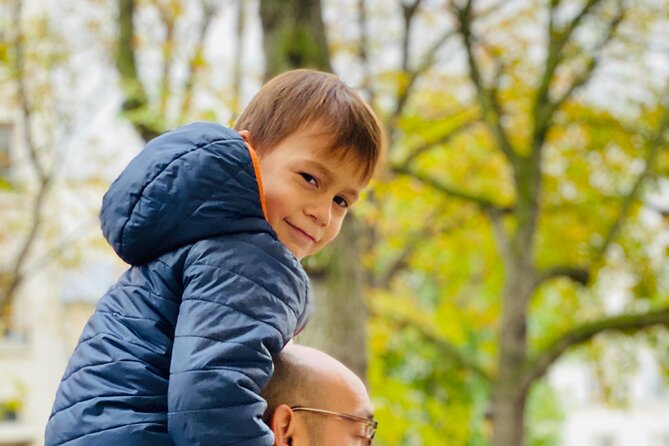
The mission has a clear finish: complete the challenges and win a gift. One family specifically enjoyed a delicious reward, which gives the children an extra reason to keep going when a riddle becomes frustrating.
A prize may sound like a small detail, but it works well with younger children. A two-hour activity requires some patience, particularly when the family is walking, stopping, and thinking in the middle of a busy city. The reward turns the final answer into a proper ending rather than an abrupt goodbye.
Do not book this solely for the gift. The main value is the shared activity and the way it encourages children to observe Paris. Still, the reward adds a pleasant bit of ceremony and can help make the experience feel like a birthday outing or special family event.
Is $39.13 per person a good value?
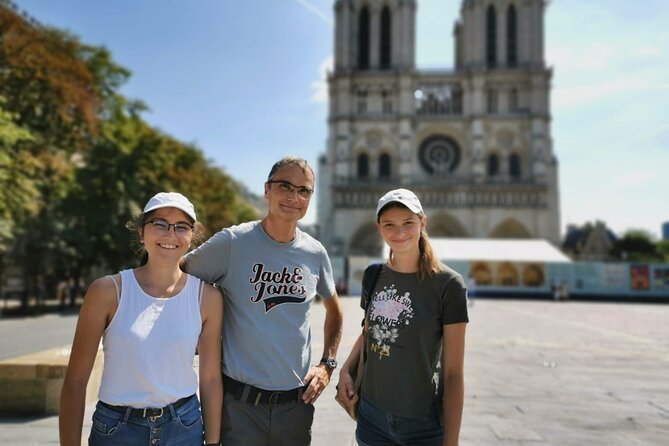
At $39.13 per person, this is not the cheapest way to spend two hours in central Paris. You can walk around the Île de la Cité for free. The question is what you are paying for beyond the location.
The price includes a hosted activity, a prepared set of riddles and games, educational content, a family mission, and the possibility of free photographs. For a family that might otherwise struggle to keep children interested in historic sights, that structure can be worth the cost.
I see the strongest value for a birthday party or a family that wants one organized activity during a longer Paris stay. The game gives children a role, gives parents a clear plan, and keeps the group focused for roughly two hours.
The value is weaker if your children dislike puzzles, become upset when they cannot solve a clue quickly, or would rather run and play without instructions. It is also less appealing if language makes riddles difficult. In those cases, you may pay for a format that creates more frustration than fun.
The activity is commonly booked about eight days in advance. That suggests you should not leave it until the final day of your trip if the timing matters. The maximum listed group size is 100 people, though your own booking may feel smaller depending on the arrangement.
Who should book this Île de la Cité experience?
I would recommend it most strongly to families with children who enjoy solving problems and asking questions. It is a particularly good match for children who like treasure hunts, school-style challenges, or activities with a clear goal.
It can also work well for:
- Birthday celebrations
- Families with children of different ages
- Parents who want learning disguised as play
- First visits to the Île de la Cité
- Families who would like a group photograph in central Paris
- Children interested in history, art, or buildings
Teenagers may enjoy the challenge more than they expect, especially if they can take the lead on the harder riddles. The activity is not only for little children. One 13-year-old found it interesting and educational, and the family enjoyed exploring the island together.
For very young children, adults should expect to help. For multilingual families, confirm the language and difficulty before booking. For children who dislike being tested, even in a playful way, a simple walk may be a better fit.
The activity is rated 4.5 out of 5 from 11 ratings, with 91 percent recommending it. That is a positive result, though the small number of ratings means you should pay close attention to the language warning rather than rely on the score alone.
Practical details before you book
The experience lasts about two hours and begins and ends at the Henri IV statue at 15 Place du Pont Neuf. It is near public transportation, and most people can take part. Service animals are allowed.
You receive confirmation when you book, and the activity uses a mobile ticket. Keep your phone charged, since your booking information is stored there and you may need it at the meeting point.
Free cancellation is available if you cancel at least 24 hours before the start time. A cancellation made within 24 hours is not refunded, and changes during that period are not accepted. The cut-off follows local Paris time.
The activity is offered by Playgreen and can be booked at a low price through playgreen-paris.com. Since the exact game version matters, I would check the age range and language before paying, especially if your children are very young or are not fluent in the activity language.
Should you book this family game?
Book it if you want Notre Dame and the Île de la Cité to become part of a shared family challenge, not just a backdrop for photographs. The friendly host, educational puzzles, free photos, and end-of-game gift give the two-hour outing a lot of purpose for the right family.
I would hesitate only if your children struggle with riddles in the activity language or dislike structured games. For everyone else, this is a thoughtful way to add play and learning to a famous Paris walk, with a price that makes sense when you value organized family time.
FAQ
Where does the family escape game begin?
It begins at the equestrian statue of Henri IV, located at 15 Place du Pont Neuf, 75001 Paris.
Where does the activity end?
The activity ends back at the meeting point near the Henri IV statue.
How long does the experience last?
The game lasts approximately two hours.
What ages is the activity suitable for?
The game is described as suitable for children from three years old through teenagers. Several versions are available for different ages.
What do children do during the game?
Children answer questions, solve riddles, and complete educational games connected with the cultural features of the Île de la Cité. The activities can involve history, painting, architecture, observation, arithmetic, and French.
Are family photographs included?
The host is also a photographer and can take family pictures free of charge if you would like them.
Can I cancel for a full refund?
Yes. You can receive a full refund by cancelling at least 24 hours before the experience begins. Cancellations made less than 24 hours before the start time are not refunded.
Just added around Paris
- Treasure Hunt in Paris – From the Panthéon to the Louvre★ 5.0 · 17 reviews
- Paris Covered Passages Treasure Hunt — Self-guided Game★ 5.0 · 5 reviews
- Paris Treasure Hunt to the Auction Rooms★ 5.0 · 2 reviews
- Marais Treasure Hunt & Discovery — Self-guided Paris Game★ 5.0 · 3 reviews
- Private Scavenger Hunt in Montmartre★ 5.0 · 2 reviews
- Paris WWII: Occupation & Liberation Exploration Game and Tour★ 5.0 · 2 reviews
- Montmartre Treasure Hunt — Fun and Cultural Investigation★ 5.0 · 6 reviews
- Paris Scavenger Hunt and Highlights Self-Guided Tour★ 3.5 · 5 reviews
Family and Kids Games, compared.




Greek Mythology Treasure Hunt for Kids – Athens Private Tour
Read our review →Browse the lists this game appears in