
Review · PARIS
Montmartre Treasure Hunt — Fun and Cultural Investigation
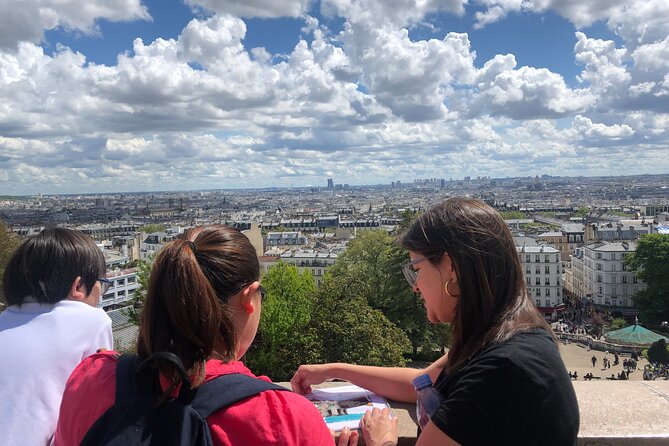
Montmartre rewards curious wanderers. This self-guided treasure hunt turns the neighborhood’s steep lanes, artists’ corners, and famous landmarks into a three-hour cultural investigation. I like the clever route, which links major sights with less obvious corners, and I like that the puzzles teach you about Montmartre instead of sending you from one photo stop to the next. The main drawback is the time limit: coffee stops are welcome, but the game ends after three hours and 30 minutes wherever you happen to be.
You receive a booklet, map, riddles, answer sheets, and a pen, so there is no app to download and no guide to keep pace with. The puzzles suit families particularly well, though adults still have enough logic and observation work to stay interested. If you prefer a fully guided tour or a relaxed afternoon with no clock, this may feel a little structured.
Key points at a glance
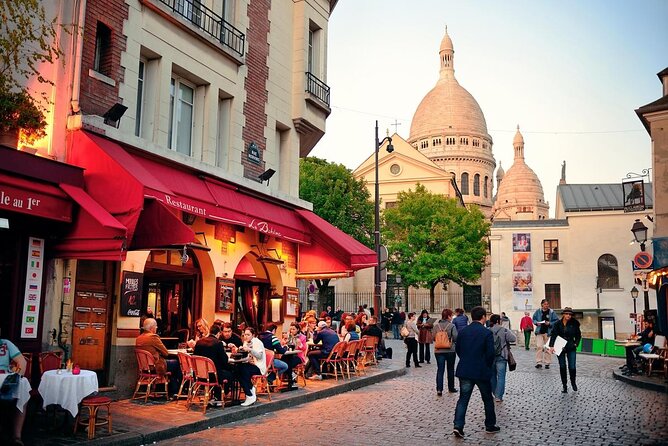
- A three-hour route through classic Montmartre: The hunt includes Sacré-Cœur, Place du Tertre, the Moulin Rouge, the vineyards, and several less expected stops.
- Puzzles built around local culture: Riddles draw on artists, cabarets, Belle Époque life, architecture, and neighborhood stories.
- Good for children aged eight and up: The challenges are approachable enough for children to contribute, while adults can enjoy the history and wordplay.
- No app or guide required: You work from a printed booklet and can move at your own pace.
- A useful introduction to the whole district: The route helps connect Montmartre’s famous sights with quieter streets and overlooked buildings.
- Flexible support when needed: Assistance and hints are available if a clue proves stubborn.
Starting near Anvers and finding your way into Montmartre
The activity begins at Anvers, in the 18th arrondissement, a practical starting point for reaching the lower slopes of Montmartre. You receive the game booklet and materials, then set off on foot to solve the first clues.
That printed format matters. You are not staring at a phone while walking through Paris, and your group can share one map and discuss each answer together. The booklet also includes cultural notes, so it is more than a list of directions. You may pause to read a short explanation, look up at a building, or compare ideas before moving on.
The activity is self-guided, with no leader walking beside you. That gives you room to stop for photographs or inspect an interesting street corner, but it also means your group must stay alert to the route and keep an eye on the clock.
The experience is offered in English. Assistance is available during the game if you need a hint or help with a clue. That is a useful safety net for families, especially when younger children become impatient with a puzzle that adults find easy.
More Treasure Hunts in France
- Louvre Museum Guided Family Treasure Hunt
★ 5.0 · 78 reviews - Louvre Museum – Private Family Tour with Da Vinci Treasure Hunt
★ 5.0 · 38 reviews - Paris Sweet & Chocolate Family Treasure Hunt
★ 5.0 · 37 reviews
Sacré-Cœur and the first big Montmartre views
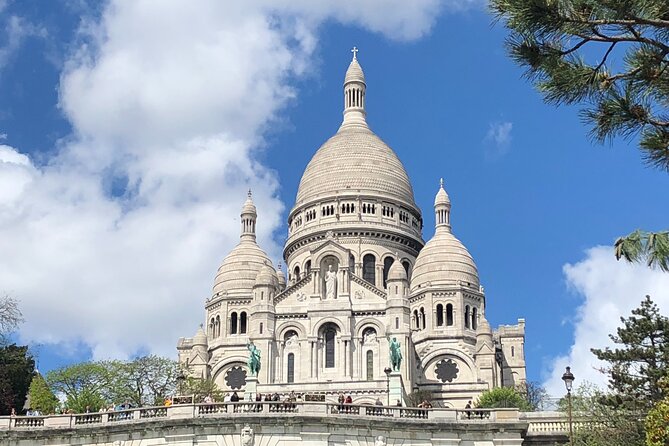
Sacré-Cœur is one of Paris’s most familiar sights, but the treasure hunt gives you a reason to look beyond the usual photograph. The basilica anchors the hilltop, and the streets around it reveal the neighborhood’s mix of religious architecture, artists’ studios, souvenir shops, stairways, and crowded lanes.
The clues here rely on observation, logic, or curiosity. You may need to inspect a detail on a building, notice a sign, or connect a visual feature with a piece of local history. That approach turns a familiar landmark into an active part of the game.
I like this kind of sightseeing because it keeps you looking up. Instead of simply arriving at Sacré-Cœur, checking the view, and moving on, you have a reason to notice the setting around it. The trade-off is that the hill can be tiring. The activity requires a moderate level of physical fitness, and Montmartre is not a flat neighborhood.
Give yourself sensible footwear and do not expect to cover the route at a brisk museum-tour pace. The game lasts around three hours, and the walking is part of the experience. The booklet does not remove the physical effort of the hill, but it makes the climb feel purposeful.
Place du Tertre and the neighborhood’s artistic side
Place du Tertre is the classic artists’ square, filled with painters, portrait artists, and cafés. It can feel busy and touristy, yet it remains an important stop because it helps explain Montmartre’s public identity as an artists’ quarter.
The puzzles connect with the area’s artistic character rather than treating it as a simple photo backdrop. The cultural anecdotes help put the square into context, especially if you are seeing Montmartre for the first time.
One of the strongest features of the hunt is the balance between play and information. The historical details are short enough to read while walking, but they add meaning to the route. You are not asked to memorize a lecture. Instead, each clue gives you a small reason to ask what happened here and why the neighborhood became so closely linked with artists.
Families can split the work naturally. Children can search for visual details or help test possible answers, while adults can read the historical notes and connect the clues. A ten-year-old can take part without needing a separate children’s version of the game.
St. Jean de Montmartre, an excellent extra stop
The route passes the art nouveau church of St. Jean de Montmartre. This is one of the most useful details to know before you begin, because it is easy to hurry past less famous buildings when the main target is Sacré-Cœur.
I would allow a few extra minutes to look inside. The church adds architectural variety to the outing and gives you a break from the better-known tourist route. Its art nouveau design also fits the hunt’s interest in Montmartre’s artistic past.
This stop shows how the activity works at its best. You are still following a game, but the game directs your attention to places you might otherwise miss. If your group enjoys architecture, art, or unusual Paris churches, this may become one of the more memorable stops.
Do keep the overall time limit in mind. A pause at St. Jean de Montmartre is worthwhile, but a long coffee break or extended visit at every stop will reduce the time available for solving the later clues.
More Treasure Hunts in Paris
- Paris Kids Louvre Treasure Hunt Private Tour
★ 5.0 · 28 reviews - Paris Treasure Hunt – Explore the Seine from Louvre to Eiffel
★ 5.0 · 18 reviews - Treasure Hunt in Paris – From the Panthéon to the Louvre
★ 5.0 · 17 reviews - Paris: Treasure Hunt & Walking Tour “Secret Weapon X”
★ 4.8 · 17 reviews
The vineyards and quieter corners of the hill
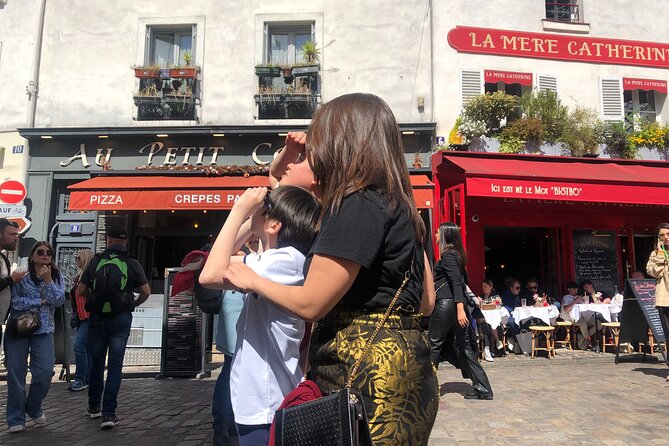
Montmartre’s vineyards offer a different view of the district. The vines remind you that this hill was once more rural and separate from central Paris than it feels today. The area also gives the treasure hunt a chance to move beyond the usual cycle of basilica, artists’ square, and souvenir shops.
The route uses the vineyards as part of the investigation, not simply as a scenic stop. You may be asked to observe the surroundings or connect the place with one of the booklet’s cultural anecdotes.
I appreciate that the route includes this kind of contrast. Montmartre is famous for its nightlife and artists, but its identity also includes village-like lanes, local traditions, and traces of an older way of life. The vineyards help broaden your picture of the neighborhood.
The exact pace will depend on your group. A couple may move quickly from clue to clue, while a family may stop often to discuss answers. Since the game is self-guided, there is no pressure to keep up with another group. The only pressure comes from the fixed end time.
Moulin Rouge and the final resolution
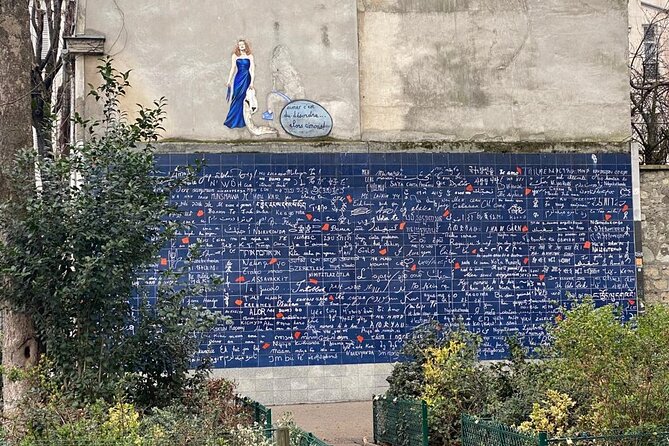
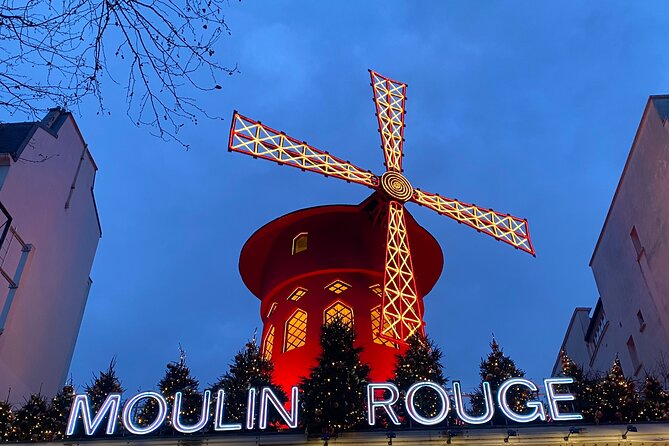
The investigation finishes at the Moulin Rouge, one of Montmartre’s most recognizable cabaret landmarks. Its red windmill and long connection with Paris nightlife give the final part of the hunt a clear sense of place.
The story reaches its resolution here, with the answer to the investigation and more hidden stories from the neighborhood. Ending at the Moulin Rouge works well because it links the hilltop artistic world with the cabaret culture of the lower district.
The practical information describes the activity as ending back at the meeting point, while the route description places the resolution at the Moulin Rouge. I would confirm the exact finish instructions when booking, particularly if you have a dinner reservation or another timed activity afterward.
The Moulin Rouge is also a useful point for planning your next move. You are near public transportation, but the experience itself does not include transportation, food, drinks, or hotel pickup. Plan your onward journey separately.
How the puzzles feel for adults and children
The challenges are designed to be approachable rather than escape-room hard. They use observation, logic, and curiosity, with the booklet supplying historical details and cultural context.
That makes the activity a good fit for a mixed-age group. Children aged eight and up can contribute without being left behind, while adults have enough material to keep the game from feeling like a simple children’s worksheet. The clues are described as complicated enough for adults but not so difficult that younger players lose interest.
If your group loves difficult puzzles and timed escape games, you may find this hunt fairly gentle. Another Paris activity from the same provider, the Madeleine tour, is described as substantially harder. The Montmartre game is the better choice for families and for people who want sightseeing to remain central.
The social side is part of the value. You can debate an answer, divide up the visual search, and compare different ideas. No guide is waiting for you to produce the correct response in front of a group, so the mood stays relaxed.
Three hours, with a firm 3:30 limit
The advertised duration is about three hours, but the game automatically ends after three hours and 30 minutes wherever you are. That is important. You can pause for a coffee, take photos, or spend extra time at a church, but every break uses part of your game time.
I would avoid planning a long meal during the hunt. Montmartre is full of tempting cafés, and a short stop may be pleasant, but the activity specifically warns that coffee breaks reduce the time available for the investigation.
The time limit can also help you manage the neighborhood. Montmartre has enough streets and stairways to fill a whole day, and an unstructured visit can become aimless. The hunt gives you a route and a reason to keep moving.
Bad weather is a consideration. The activity requires good weather and may be canceled if conditions are poor. In that case, you are offered another date or a full refund. Bring comfortable shoes and dress for walking outdoors, but check conditions before setting off.
Is $41.70 a fair price?
At $41.70 per person, this is more expensive than simply walking around Montmartre with a free map. The price makes sense if you value the prepared route, printed materials, cultural notes, puzzle design, and help available during the game.
You are paying for an organized way to see the district without hiring a private guide. A conventional guided walking tour gives you live commentary and the chance to ask questions at every stop. This hunt gives you more freedom, a shared group activity, and a reason to inspect details for yourself.
For a family, the value depends on how many people will actively play. Children who enjoy mysteries and adults who like local history may get several hours of shared entertainment. If one person in the group dislikes puzzles or walking on hills, the cost may feel harder to justify.
The small maximum group size, up to 20 people, keeps the activity from becoming a huge organized crowd. Still, this is not a private tour. You guide yourselves and set your own pace.
Who should book this Montmartre activity?
I would recommend it to families with children aged eight and up, couples who want a playful afternoon, and small groups that enjoy solving problems together. It also suits repeat visitors who have seen Sacré-Cœur before but want a fresh route through the neighborhood.
It is especially useful if you want cultural information without sitting through a long lecture. The booklet’s anecdotes can add context for first-time visitors, while the unusual stops give Paris residents a reason to look at Montmartre differently.
I would choose another format if you need wheelchair-friendly planning, a fully narrated tour, or a slow visit with no deadline. The moderate fitness requirement, outdoor format, hills, and fixed time limit are real considerations.
Service animals are allowed, and the activity is near public transportation. Hotel pickup and drop-off are not included, so you need to reach Anvers independently and arrange your own return.
Should you book it?
Book this treasure hunt if you want Montmartre to feel like a shared mystery rather than a checklist of famous sights. The route covers Sacré-Cœur, Place du Tertre, the vineyards, St. Jean de Montmartre, and the Moulin Rouge, while the riddles add structure and humor to the walk.
I would make it a strong family choice, especially with children around ten to thirteen. Couples and adult friends should enjoy it too, as long as they do not expect expert-level puzzles. Keep the coffee stop short, watch the 3:30 limit, and confirm the exact finishing point before you go.
FAQ
Where does the Montmartre treasure hunt begin?
The activity begins at Anvers, 75018 Paris, France.
Where does the activity end?
The route description says the investigation reaches its resolution at the Moulin Rouge. The additional information says the activity ends back at the meeting point, so confirm the precise finishing instructions when booking.
How long does the treasure hunt last?
It lasts around three hours and automatically ends after three hours and 30 minutes, wherever you are.
Is the activity guided?
No. It is a self-guided activity using a booklet, map, riddles, answer sheets, and other supplied materials.
Is a mobile app required?
No. You do not need to download an app. The game is played with printed materials.
What landmarks are included?
The route includes Sacré-Cœur, Place du Tertre, the Moulin Rouge, and the Montmartre vineyards. It also passes the art nouveau church of St. Jean de Montmartre.
Is the treasure hunt offered in English?
Yes. The activity is offered in English.
Is the activity suitable for children?
Yes. It is suitable for children aged eight and up. The clues are designed so children can contribute while adults can also enjoy the puzzles and cultural details.
What is included in the price?
The price includes the game booklet, riddles, map, cultural anecdotes, answer sheets, a pen, clues, and assistance during the game if needed.
Can I cancel for a full refund?
Yes, if you cancel at least 24 hours before the experience start time. Cancellations or changes made less than 24 hours in advance are not accepted for a refund. If poor weather or an insufficient minimum number of participants causes cancellation, you are offered another date or a full refund.
Just added around Paris
- Treasure Hunt in Paris – From the Panthéon to the Louvre★ 5.0 · 17 reviews
- Paris Covered Passages Treasure Hunt — Self-guided Game★ 5.0 · 5 reviews
- Paris Treasure Hunt to the Auction Rooms★ 5.0 · 2 reviews
- Private Scavenger Hunt in Montmartre★ 5.0 · 2 reviews
- Marais Treasure Hunt & Discovery — Self-guided Paris Game★ 5.0 · 3 reviews
- Paris WWII: Occupation & Liberation Exploration Game and Tour★ 5.0 · 2 reviews
- Paris Scavenger Hunt and Highlights Self-Guided Tour★ 3.5 · 5 reviews
- Paris (Marais District) Scavenger Hunt and Self-Guided Tour★ 5.0 · 16 reviews
Treasure Hunts, compared.



Fun, Flexible Treasure Hunt Around Manchester with Cryptic Clues & Hidden Gems
Read our review →
Fun, Flexible Treasure Hunt Around York with Cryptic Clues & Hidden Gems
Read our review →
Fun, Flexible Treasure Hunt Around Bath with Cryptic Clues & Hidden Gems
Read our review →York Treasure Hunt Adventure: The Mystery of The Gunpowder Snitch
Read our review →
Fun, Flexible Treasure Hunt Around Oxford with Cryptic Clues & Hidden Gems
Read our review →Browse the lists this game appears in