

Review · PARIS
Treasure Hunt in Paris – From the Panthéon to the Louvre
Paris rewards the curious. This two-hour treasure hunt links the Panthéon, Latin Quarter, Notre-Dame, and Louvre through puzzles that make you look closely at the city. I like the self-guided format and the fact that you need no app or download. The main drawback is the firm time limit, especially if you stop often for photos, food, or museum visits.
I also like the broad age appeal. Young children can hunt for details, teens can crack the final code, and adults get a pleasant walk through some of central Paris. Marion, the host, has earned warm praise for being flexible, friendly, and helpful. Still, remember that this is not a guided walking tour. You receive the materials and support, then solve the case on your own.
Key points to know before you book
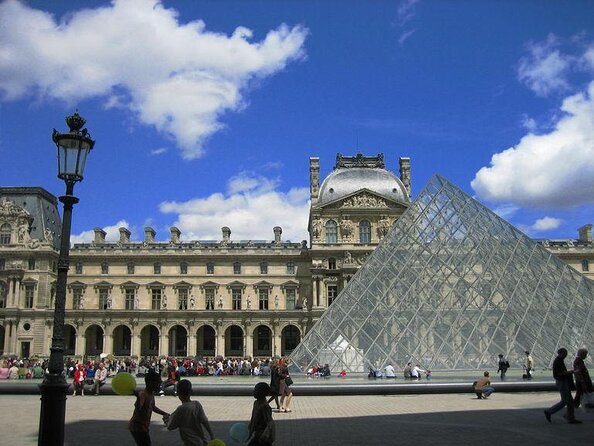
- The route runs from the Panthéon to the Louvre, passing the Latin Quarter, Cluny Museum, Seine, Île de la Cité, Place Dauphine, Pont Neuf, and Pont des Arts.
- The booklet supplies riddles, a map, cultural notes, answer sheets, and other materials, so your phone is not needed for the game.
- The average play time is two hours, but the investigation ends automatically after three hours wherever you are.
- The activity suits mixed-age groups, with clues described as accessible and a final code that gives children and teens a clear goal.
- Marion provides help when needed, though the activity itself is self-guided rather than led by a walking guide.
- The price is $36.05 per person, with free cancellation up to 24 hours before the start time.
Starting beneath the Panthéon at 1 Rue Soufflot
Your case begins at 1 Rue Soufflot, beside the Panthéon in the Latin Quarter. This is a strong starting point because the monument gives everyone an easy landmark and places you in one of the most atmospheric parts of central Paris.
After a short briefing, you receive a booklet and your first clue. The booklet contains riddles, a map, cultural notes, answer sheets, and the materials needed to play. That setup matters. You can keep your phone in your pocket and focus on the streets, buildings, and details around you.
The story follows the trail of a chest and its mysterious owner. I like that the game gives your walk a purpose without turning Paris into a simple list of monuments. You are not only moving from one famous place to the next. You are watching, reading, comparing, and discussing what you see.
The meeting point is easy to reach by public transport, but the activity does not include hotel pickup. Plan to arrive ready to begin, since the clock matters once the hunt starts.
More Treasure Hunts in France
- Louvre Museum Guided Family Treasure Hunt
★ 5.0 · 78 reviews - Louvre Museum – Private Family Tour with Da Vinci Treasure Hunt
★ 5.0 · 38 reviews - Paris Sweet & Chocolate Family Treasure Hunt
★ 5.0 · 37 reviews
Reading the Latin Quarter around the Cluny Museum
The first section leads through the narrow streets of the Latin Quarter and past the Cluny Museum. This area is well suited to a puzzle game. Its streets, façades, signs, and old buildings give you plenty to examine, and the route feels more engaging when you are searching for clues rather than simply following a guide.
The Cluny Museum is particularly fitting for the theme. Its medieval architecture gives the route a strong sense of place, while the cultural notes in the booklet add context as you work through the riddles. You may find yourself pausing to inspect a detail that you would otherwise walk past.
The clues depend on observation and logic. That makes this more than a sightseeing worksheet, but it does not sound designed as an advanced puzzle challenge. The clues have been described as accessible, which helps if your group includes children, occasional puzzle solvers, or people who do not speak French fluently. The game is available in English and French.
This part may be the best fit for a first day in Paris. You get an introduction to the city center, learn where several major areas sit in relation to one another, and begin building a mental map without sitting through a long explanation.
Following the mystery toward Notre-Dame
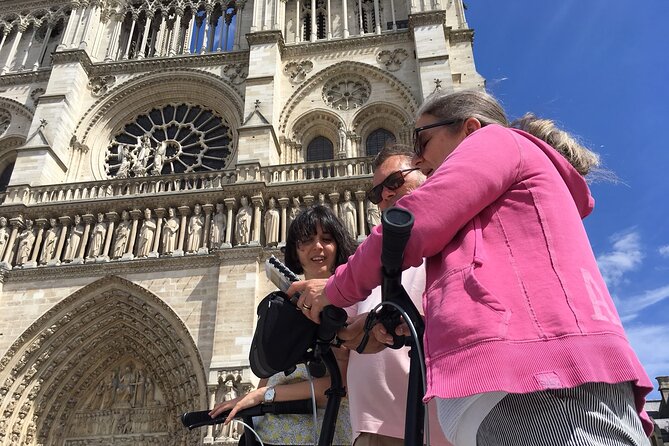
The route then moves toward Notre-Dame and the historic center of Paris. The exact clue work is part of the game, so you should expect to solve the route rather than receive every answer in advance.
That is useful for families. Children can search for visible details, while adults can help connect the clues and read the cultural notes. One family particularly enjoyed the way young children and teens could take part at different levels. The final code was a highlight for them, giving the hunt a satisfying goal instead of letting it fade out after a series of small questions.
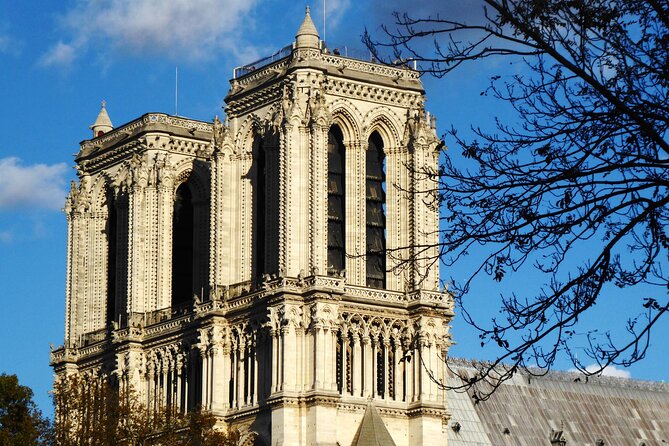
Notre-Dame also gives this portion of the walk a strong sense of place. You are near one of Paris’s most important landmarks, but the activity does not include entry to the cathedral or any other museum. Think of this as an outdoor city investigation, not a monument tour with reserved access.
That distinction affects the value. If you want interiors, expert commentary, or a detailed account of Notre-Dame, book a separate visit. If you want a reason to walk through the area and notice more than the main façade, the treasure hunt fills that role well.
Crossing the Seine to Île de la Cité
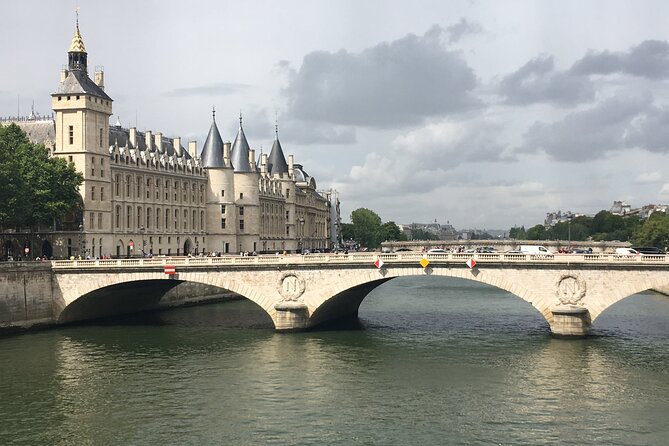
The next major stage crosses the Seine and reaches Île de la Cité. The route runs between Pont Saint-Michel and Notre-Dame, placing you in the old center of Paris.
This crossing breaks up the activity nicely. The water, bridges, and view toward the island provide a change from the tight streets of the Latin Quarter. It also gives the group a natural moment to pause, check the map, and compare answers before tackling the next riddle.
The Seine section is one reason I would avoid treating this as a race. You will want to look up from the booklet now and then. The point is not only to finish first. It is to connect the clues with the setting around you.
At the same time, you need to watch the clock. The investigation lasts about two hours on average and automatically ends after three hours, wherever you are on the route. A long lunch, an extended café stop, or a major detour can leave you with too little time for the final stages.
More Treasure Hunts in Paris
- Paris Kids Louvre Treasure Hunt Private Tour
★ 5.0 · 28 reviews - Paris Treasure Hunt – Explore the Seine from Louvre to Eiffel
★ 5.0 · 18 reviews - Paris: Treasure Hunt & Walking Tour “Secret Weapon X”
★ 4.8 · 17 reviews - Paris Louvre : Private Treasure Hunt for Families or groups
★ 3.9 · 14 reviews
Place Dauphine, Pont Neuf, and Pont des Arts
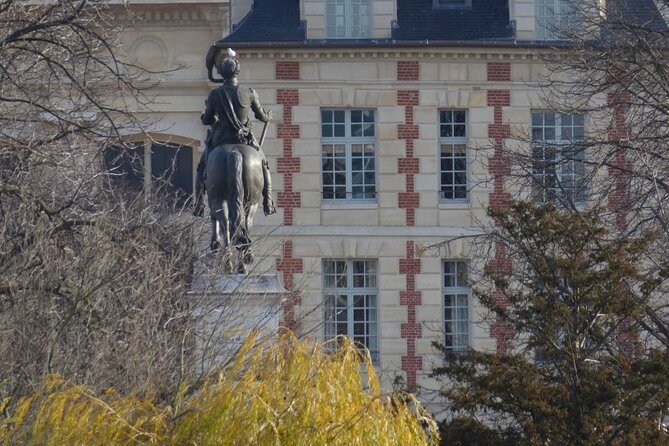
From Île de la Cité, the hunt continues through Place Dauphine, across Pont Neuf, and then over Pont des Arts. This is a pleasing sequence because each location has a different feel.
Place Dauphine offers a quieter square compared with some of the larger tourist areas nearby. Pont Neuf brings you to the oldest bridge in Paris, while Pont des Arts adds the familiar bridge setting associated with artists and couples.
The route is at its most scenic here, but it is also where the practical challenge becomes clear. Paris bridges and squares invite photographs, conversation, and pauses. Those are part of the pleasure, yet every break uses time from the investigation.
I would set a steady pace and assign jobs within your group. One person can hold the booklet, another can watch the map, and children can search for visual details. Sharing the work keeps the game moving and prevents one person from becoming the permanent clue reader.
Because the activity is limited to a maximum of 25 participants, the experience should remain smaller than a large city tour. Your actual group may still be made up of people playing together in different combinations, so do not expect a private guide unless that has been arranged separately.
Finishing with the chest near the Louvre

The final destination is in front of the Louvre Museum, on Place du Louvre near the Cour Carrée side. The listed end point is by the Beffroi de l’Église Saint-Germain l’Auxerrois, and the closest metro station is Louvre-Rivoli.
The chest opens at the end of the hunt and reveals its story. This gives the route a clear finish, and the code-breaking element seems especially effective for families with children and teens. You are not simply told that the activity is over. You reach a final answer together.
The Louvre is an excellent place to end, but remember what this booking includes and what it does not. It does not include admission to the museum, a guided visit inside, food, drinks, or transport back to your hotel. You can continue with the Louvre afterward if you have a separate plan, but you should arrange museum entry on your own.
Ending in front of the Louvre also makes the activity easy to connect with the rest of your day. You can take the metro from Louvre-Rivoli, continue toward the Tuileries, or stop for a meal nearby. The treasure hunt itself finishes outdoors.
What the $36.05 price gives you
At $36.05 per person, this is not the cheapest way to walk across central Paris. Its value depends on how much structure your group needs.
You receive a prepared game booklet, riddles, a map, cultural notes, answer sheets, and the required materials. You also have assistance available during the activity if you need help. For a family or group that would otherwise struggle to create its own route and puzzle trail, that preparation can justify the cost.
The price also pays for a focused way to see several major sights in one outing. You are not buying monument admission, transport, or a traditional guide. You are paying for a themed activity that turns sightseeing into a shared task.
I would consider it good value for a family, school-age group, or team-building outing that enjoys solving problems together. It is less compelling if you prefer quiet independent sightseeing or already know central Paris well. In that case, you could follow this route without the booklet, though you would lose the story and clue structure.
The strong rating and full recommendation from the available feedback point to a consistent strength: the activity is fun and approachable. The praise centers on the host, the family-friendly design, the accessible clues, and the chance to see famous places while doing something active.
Why the self-guided format works, and where it does not
The booklet format gives you freedom. You can discuss each clue, let children take the lead, and move at your own pace within the time limit. You do not have to keep up with a guide explaining every building to a group.
The downside is that you need to manage yourselves. If your group gets stuck, the activity may slow down, although assistance is available. If one person dislikes puzzles, that person may feel less involved than on a conventional sightseeing walk.
Marion appears to be an important part of the experience when support is needed. She has been praised for being flexible with a late family start, friendly with children, and accessible during the hunt. That is reassuring, but the activity remains self-guided. Do not book it expecting a continuous personal narration from Panthéon to Louvre.
The absence of an app is another plus for some people. There are no downloads, battery concerns, or phone screens competing with the city. You still need to follow the printed materials carefully and keep them dry if the weather changes.
Timing, weather, and practical comfort
The advertised duration is about two hours, with a hard maximum of three hours. The time limit is important enough to shape your day. Begin with enough energy, avoid planning a long meal in the middle, and leave room for the possibility that your group needs extra time on a clue.
Good weather is required. If poor weather cancels the activity, you can receive a different date or a full refund. On a sunny day, bring a hat, a practical tip that came directly from a family enjoying the activity. Since much of the experience takes place outdoors, comfortable walking shoes and water are sensible choices, even though food and drinks are not included.
The route includes narrow streets, bridges, and busy central areas. Most people can participate, and service animals are allowed. Still, if anyone in your group finds extended city walking difficult, check the route and conditions before booking because the activity covers several central neighborhoods on foot.
Free cancellation is available up to 24 hours before the start time. Cancellations or changes made inside that window are not accepted for a refund. Local Paris time controls the cutoff.
Who will enjoy this Paris treasure hunt?
I would recommend it most strongly to:
- Families with children and teens who enjoy clues and simple code-breaking.
- Groups visiting Paris for the first time who want a guided purpose without a full guided tour.
- Friends who like walking, observation, and teamwork.
- Corporate or team-building groups that want an outdoor activity in central Paris.
- Couples who prefer a playful city walk to a standard sightseeing circuit.
I would be more cautious if you want a detailed art history lesson, indoor access to the Louvre, or a slow stroll with no clock. This is an activity with a mission. You need to read, solve, walk, and keep moving.
Should you book it?
Book this treasure hunt if you want to connect the Panthéon and Louvre through a playful route, especially with children or a mixed-age group. The accessible clues, printed materials, final code, and helpful host Marion give the experience a friendly feel without requiring an app.
Skip it if your priority is a traditional guided tour, museum entry, or complete freedom to stop whenever you like. For everyone else, $36.05 buys a well-planned two-hour outing through some of Paris’s most memorable streets, with enough structure to keep the group involved and enough independence to let you explore at your own pace.
FAQ
Where does the treasure hunt begin?
It begins at 1 Rue Soufflot, 75005 Paris, at the foot of the Panthéon in the Latin Quarter.
Where does the activity finish?
It finishes in front of the Louvre Museum on Place du Louvre, near the Cour Carrée side. The listed end point is by the Beffroi de l’Église Saint-Germain l’Auxerrois. Louvre-Rivoli is the closest metro station.
How long does the treasure hunt take?
The average duration is two hours. The investigation automatically ends after three hours, wherever you are on the route.
Is this a guided walking tour?
No. It is a self-guided activity using a booklet and game materials. Assistance is available throughout the game if you need help.
Is a mobile app required?
No. The experience includes a printed booklet, map, riddles, cultural notes, answer sheets, and the needed materials. No app or download is required.
Can I cancel for a full refund?
Yes, if you cancel at least 24 hours before the scheduled start time. Changes or cancellations made less than 24 hours before the start are not accepted for a refund. If poor weather causes the provider to cancel, you can choose another date or receive a full refund.
Just added around Paris
- Paris Covered Passages Treasure Hunt — Self-guided Game★ 5.0 · 5 reviews
- Paris Treasure Hunt to the Auction Rooms★ 5.0 · 2 reviews
- Marais Treasure Hunt & Discovery — Self-guided Paris Game★ 5.0 · 3 reviews
- Private Scavenger Hunt in Montmartre★ 5.0 · 2 reviews
- Paris WWII: Occupation & Liberation Exploration Game and Tour★ 5.0 · 2 reviews
- Montmartre Treasure Hunt — Fun and Cultural Investigation★ 5.0 · 6 reviews
- Edith Piaf’s Paris: Self-Guided Story Puzzle Walk★ 3.5 · 3 reviews
- Paris Scavenger Hunt and Highlights Self-Guided Tour★ 3.5 · 5 reviews
Treasure Hunts, compared.



Fun, Flexible Treasure Hunt Around Manchester with Cryptic Clues & Hidden Gems
Read our review →
Fun, Flexible Treasure Hunt Around York with Cryptic Clues & Hidden Gems
Read our review →
Fun, Flexible Treasure Hunt Around Bath with Cryptic Clues & Hidden Gems
Read our review →York Treasure Hunt Adventure: The Mystery of The Gunpowder Snitch
Read our review →
Fun, Flexible Treasure Hunt Around Oxford with Cryptic Clues & Hidden Gems
Read our review →Browse the lists this game appears in