
Review · LAZIO
Rome: Spanish Steps, Trevi, & Pantheon Live Treasure Hunt
Rome rewards curious kids.
This 2.5-hour treasure hunt turns famous sights into a playful city lesson, with riddles, quizzes, clues, and a prize at the finish. I like the mix of learning and competition, and I like that a local guide such as Marco brings the landmarks to life instead of simply pointing them out.
The main consideration is price: at $105 per person, this costs more than a standard sightseeing walk. It makes the most sense for families or small groups who want an active, guided experience rather than a quiet tour focused on long explanations.
Key points at a glance
- Trevi Fountain becomes the first game board: Search for clues while learning about the fountain’s origins and the famous coin-tossing custom.
- The Pantheon adds a history challenge: Kids explore its architectural features through questions and activities rather than a formal lecture.
- Spanish Steps area meeting point: Find your guide by the Column of the Immaculate Conception in Piazza Mignanelli.
- Marco receives repeated praise: His friendly, engaging guiding helped make the activity work for both children and adults.
- Prizes give the hunt a real finish line: Winning is not essential, but the competition adds energy to the walk.
- Best for children five and older: Comfortable shoes matter, since the experience takes place outdoors on Rome’s streets.
Why this treasure hunt works in central Rome
Rome can be a difficult city for children. The sights are extraordinary, but young visitors may not want a long talk about ancient construction methods or Baroque design. A treasure hunt gives them a job to do. They look for clues, answer questions, solve riddles, and compete for a prize.
That format changes the mood. Instead of asking children to admire each monument from a distance, the guide gives them a reason to inspect it. A fountain becomes a puzzle. A building becomes a set of clues. A street corner may suddenly matter because it helps solve the next question.
I also like the balance between fun and learning. The activity is not presented as a simple race through Rome. The questions cover the origins of the Trevi Fountain, the coin tradition, the Pantheon’s architecture, and Rome’s past. Adults can take part too, so you are not left standing on the side while children handle all the action.
The experience is conducted in English and led by a live local guide. The provider is Orange Umbrella Srl. Six available ratings give it a perfect five-star average, with particular praise for the guide Marco, the enjoyable format, and the prizes.
More Treasure Hunts in Italy
- Rome: Treasure Hunt for Kids and Families Trevi and Pantheon
★ 5.0 · 14 reviews - Treasure hunt in Rome, Ghetto and Trastevere
★ 5.0 · 8 reviews - Rome Treasure Hunt With Leonardo da Vinci
★ 4.0 · 3 reviews
Meeting near the Spanish Steps
The meeting point is by the Column of the Immaculate Conception in Piazza Mignanelli. Your guide will hold a sign with your name, which should make the first meeting easier in a busy part of central Rome.
Piazza Mignanelli sits beside the Spanish Steps area, so the setting gives you an immediate taste of Rome’s grand public spaces. The exact activity begins from this point, then continues through central streets toward the Trevi Fountain and Pantheon.
Give yourself enough time to find the column. The instructions are clear, but central Rome can feel confusing when several small streets and piazzas meet at once. Look for the guide’s sign rather than relying only on the name of the tour.
The meeting point also makes this experience easy to fit into a sightseeing day. You can spend time around the Spanish Steps before the hunt, then continue exploring after it ends. The activity is not described as a bus tour, so expect to walk from one stop to the next.
Trevi Fountain turns sightseeing into a contest
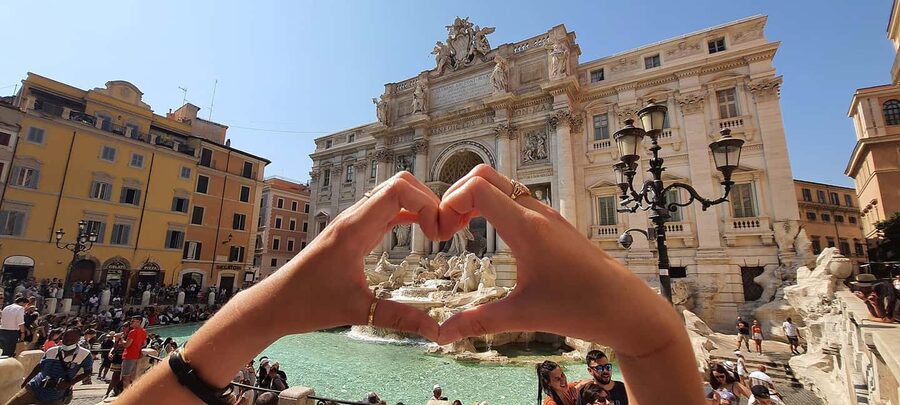
The Trevi Fountain is a natural opening stop for this kind of activity. It is visually dramatic, familiar from films, and packed with traditions that children can understand quickly.
Here, the hunt includes hidden clues and trivia about the fountain’s legendary origins. The guide also explains the custom of tossing coins into the water. That gives children a simple cultural detail to remember, while adults get more context for a ritual many visitors know only as a photo opportunity.
The fountain works especially well as a quiz setting because there is so much to observe. You can look at the figures, the water, the stonework, and the surrounding space while trying to answer questions. The guide’s role is important here. A good clue should make you notice something you might otherwise miss, not merely send you racing to the next stop.
There is one practical point to keep in mind. Trevi Fountain is a popular place, and crowds can make group movement less simple. The information provided does not give a private viewing area or a quiet time of day, so you should expect the normal activity of a major Rome sight. The hunt may actually help, since children have something specific to focus on when the square feels crowded.
The streets between the landmarks
The walk between stops is part of the experience, not just dead time. The route takes you through Rome’s central streets, with famous monuments and smaller details along the way. The guide uses anecdotes and facts to keep the group involved as you move.
This is where the format can help families most. A conventional walking tour may lose younger children during a long stretch between major sights. A clue or riddle gives them a short-term goal. You can enjoy the streets while the children keep working on the next answer.
The activity is also suitable for team building. One participant described it as a successful group event, with everyone entertained and satisfied. That matters if you are booking for relatives, friends, or a work group rather than only for parents and children.
Still, the exact walking distance and group size are not provided. You should plan for an outdoor activity on foot and wear comfortable shoes. If your family dislikes walking, prefers a slow pace, or needs frequent breaks, ask for details before booking.
More Treasure Hunts in Rome:
- Colosseum and Roman Forum Treasure Hunt Tour for Kids & Families
★ 5.0 · 3 reviews - Trevi Pantheon and Spanish Steps Treasure Hunt for Kids & Families in Rome
★ 5.0 · 2 reviews - Vatican Treasure Hunt with Guided Tour for Families with Kids
★ 5.0 · 2 reviews - Hamburg: Treasure Hunt Game through HafenCity
★ 4.7 · 364 reviews
The Pantheon brings architecture into the game
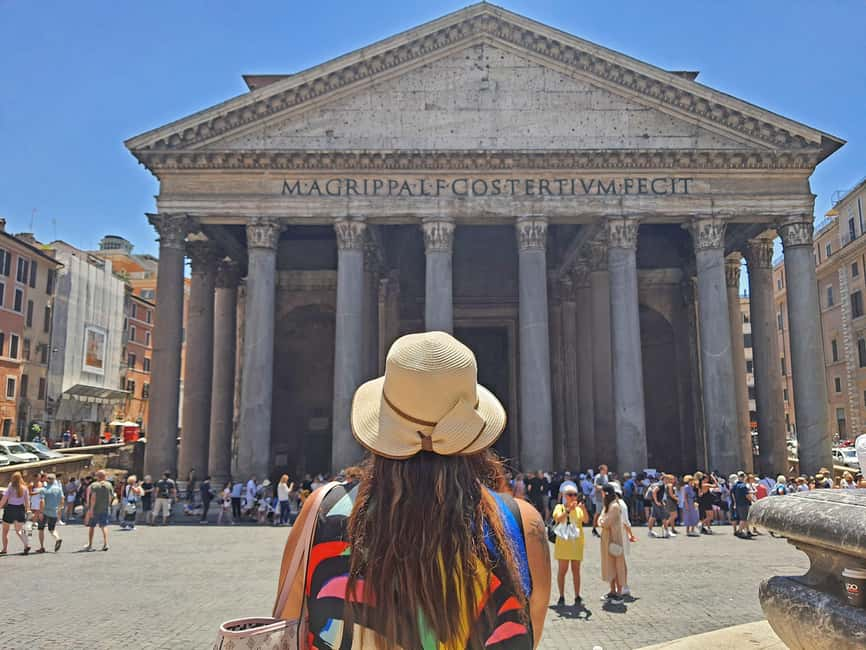
The Pantheon is the second major landmark named in the route. Its great value for this treasure hunt is that its design raises obvious questions. How does the building work? What makes its shape unusual? Why has it remained such an important part of Rome?
The activities here are designed to help children learn about its architectural wonders and past. That approach is more useful than giving them a list of dates. When a question directs you to a feature of the building, you have a better chance of remembering it later.
The supplied details do not confirm whether the activity includes entry inside the Pantheon. For that reason, you should treat the Pantheon as a stop on the hunt, not assume that an interior visit or admission ticket is included. The listed inclusions are a local guide and the treasure hunt through Rome.
The Pantheon also gives adults more to enjoy. You can help children solve the questions, listen to the guide’s explanations, and take in one of Rome’s most famous buildings without turning the whole stop into a school lesson.
Clues, prizes, and the role of guide Marco
The strongest part of this experience appears to be the guide’s energy. Marco is named in several of the comments, and his guiding is praised for making the activity interesting, entertaining, and educational. One group did not win but still felt the hunt had been worthwhile because they saw and learned so much.
That is a useful sign. A treasure hunt can fail if the clues are confusing or the guide focuses too heavily on the competition. Here, the available feedback points to a better balance. The prize adds excitement, but learning remains part of the experience even if your team does not finish first.
The prizes are mentioned more than once as a welcome extra. They give the activity a clear goal and make the final result feel more satisfying. For children, this can be the small detail they remember most. For adults, it adds a little harmless rivalry.
You should not book this expecting a serious timed race. The description presents it as a family-friendly activity with quizzes, trivia, and interactive tasks. The main reward is seeing Rome in a different way, with the prize as an added incentive.
What the $105 price means
At $105 per person, this is a premium activity for a 2.5-hour walk. You are paying for a private-style guided format? That is not stated, so I would not assume the group is private. The safer way to assess the price is to view it as payment for an organized activity, a live English-speaking guide, prepared clues, and a game built around major Rome landmarks.
The price can make sense for a family that wants structure. You do not have to invent questions, plan a route, or keep children entertained between sights. A guide handles the activity while giving context about the city.
It may feel expensive if you only want to see Trevi Fountain and the Pantheon from the outside. You can visit those places without a paid hunt. The value comes from the interaction, especially if your children enjoy puzzles, competition, and prizes.
It also suits a group looking for team building. The available feedback describes a successful team event, so the format is not limited to families. Friends or colleagues may enjoy dividing into teams and working through the clues together.
Who should book this Rome activity?
I would choose this for families with children aged five and older who enjoy games and questions. The activity is designed to keep both kids and adults involved, and the route connects some of Rome’s most recognizable central sights.
It also suits parents who want their children to learn without sitting through a formal lecture. The guide’s trivia and anecdotes give young visitors a practical way to remember what they see.
Groups should consider it too. The team-building feedback suggests that the format can work beyond a family outing, especially if your group enjoys a friendly contest.
I would be more cautious if you are looking for an in-depth art or architecture tour. The clues and quizzes come first, so the explanations are likely to support the game rather than become long specialist talks. The activity may also be a poor fit for children under five, who are specifically excluded, or for anyone who cannot manage an outdoor walk.
People over 95 are also listed as unsuitable for the activity. No other accessibility details are provided, so ask before booking if your group has mobility or walking concerns.
Practical details before you go
The experience lasts 2.5 hours. Starting times vary, so check availability for the date you want. The tour language is English, and the activity includes a live guide.
Wear comfortable shoes. That is the one item specifically recommended, and it is sensible for a city hunt that moves through Rome’s streets and public squares.
The meeting point is the Column of the Immaculate Conception in Piazza Mignanelli. Your guide will hold a sign with your name. The listed inclusions do not mention food, drinks, transportation, entrance tickets, or hotel pickup, so do not assume those are part of the price.
You can reserve now and pay later, which helps if you are still arranging your Rome schedule. Cancellation is free up to 24 hours before the activity for a full refund. That gives you some flexibility, but check the exact booking terms when selecting your time.
Should you book the Spanish Steps, Trevi, and Pantheon hunt?
Book it if you want Rome sightseeing to feel active, social, and easy for children to follow. The strongest reasons are the guide-led clues, the mix of trivia and learning, and Marco’s repeated praise for keeping groups entertained. The prizes add a nice touch without being the only reason to go.
Think twice if $105 per person feels high for a walking activity, or if you want a quiet, detailed tour of Roman architecture. You are paying for the game and the guide’s ability to turn famous places into a shared challenge.
For families, school-age children, and team groups, this is a lively way to connect Trevi Fountain and the Pantheon. Bring good shoes, arrive at Piazza Mignanelli ready to play, and remember that your team can still have a successful outing even if another group takes the prize.
FAQ
How long does the Rome treasure hunt last?
The experience lasts 2.5 hours.
How much does the treasure hunt cost?
The price is $105 per person.
What language is the activity offered in?
The live tour guide conducts the activity in English.
Where is the meeting point?
Meet by the Column of the Immaculate Conception in Piazza Mignanelli.
How will I recognize the guide?
The guide will be holding a sign with your name on it.
What is included in the price?
The experience includes a top-rated local guide and the treasure hunt through Rome.
Are entrance tickets to the Pantheon included?
The provided information does not list Pantheon admission or any other entrance ticket as included.
What should I bring?
Bring comfortable shoes for walking through Rome.
Can I cancel or pay later?
You can reserve now and pay later. Cancellation is free up to 24 hours in advance for a full refund.
Just added around Rome
- Villa Borghese escape game★ 3.0 · 3 reviews
- Rome Treasure Hunt With Leonardo da Vinci★ 4.0 · 3 reviews
- Trevi Pantheon and Spanish Steps Treasure Hunt for Kids & Families in Rome★ 5.0 · 2 reviews
- Vatican Treasure Hunt with Guided Tour for Families with Kids★ 5.0 · 2 reviews
- Treasures of Rome Scavenger Hunt for Friends Team Building & Company Incentive★ 4.5 · 2 reviews
- Treasure hunt in Rome, Ghetto and Trastevere★ 5.0 · 8 reviews
- Rome: Hidden Treasures of Trastevere Self-Guided Puzzle Quest★ 4.0 · 5 reviews
- Rome Scavenger Hunt and Highlights Self-Guided Tour★ 5.0 · 2 reviews
Treasure Hunts, compared.


Fun, Flexible Treasure Hunt Around Manchester with Cryptic Clues & Hidden Gems
Read our review →
Fun, Flexible Treasure Hunt Around York with Cryptic Clues & Hidden Gems
Read our review →
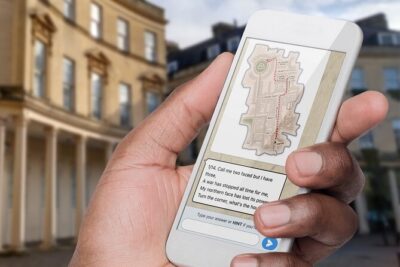
Fun, Flexible Treasure Hunt Around Bath with Cryptic Clues & Hidden Gems
Read our review →York Treasure Hunt Adventure: The Mystery of The Gunpowder Snitch
Read our review →
Fun, Flexible Treasure Hunt Around Oxford with Cryptic Clues & Hidden Gems
Read our review →Browse the lists this game appears in