
Review · MILWAUKEE
Magical Milwaukee Scavenger Hunt
Find Milwaukee by solving clues. This two-hour game mixes a city walk, detective hunt, and creative challenge, with stops at the Pabst Theater, Bronze Fonz, City Hall, Downtown Books, and Red Rock Saloon. I like the remote live host, who sends missions, cheers on your team, and helps when a clue goes sideways. I also like the mix of art, culture, odd facts, photos, and playful tasks. The main catch is that the hunt can feel confusing at first and may not provide as much formal Milwaukee history as you expect.
You begin at Fiddleheads Coffee in BMO Tower and work through the city by foot or car. The activity is family-friendly and dog-friendly, but it asks everyone to take part in a phone-based game, so it suits outgoing groups better than people seeking a quiet guided tour. The per-person ticket rule, including for most children, is worth checking before you book.
Key points at a glance
- A remote host runs the game: You receive clues and challenges by phone, then send photos, videos, and messages back as proof of progress.
- Five downtown-area stops shape the route: The Pabst Theater, Bronze Fonz, City Hall, Downtown Books, and Red Rock Saloon each bring a different mood.
- The game rewards creativity, not just speed: You solve clues, complete oddball tasks, and may need to interact with people around town.
- You can walk or drive: The route is not presented as a standard fixed walking tour, so your group has some freedom in how it moves.
- Bring the right phone setup: Each team needs at least one fully charged smartphone with GPS, data, photo, video, and text capability.
- Best for playful groups: Friends, families, birthday parties, bachelor and bachelorette groups, company outings, curious locals, and tourists can all fit the format.
What kind of Milwaukee outing is this?

This is not a conventional sightseeing tour with a guide leading you from one monument to the next. It is a self-directed city game supported by a person working remotely. You get a digital quest, then move around town while solving clues and completing creative assignments.
That difference matters. If you want a steady stream of dates, names, and historical explanations, this may leave you wanting more. If you want an excuse to wander, laugh, take pictures, and look at familiar streets in a new way, it has a stronger appeal.
The format combines three activities. You get a light city tour, a detective-style hunt, and a series of challenges that ask you to loosen up. Some missions involve photos or videos. Others may require a bit of public interaction or a playful interpretation. The point is less about finding one perfect answer and more about how your team responds.
I see the remote host as the key feature. You are not simply following an app with no human contact. You can text your progress, ask for help, and receive encouragement while you play. That extra voice can make the outing feel more social, especially for a birthday or team event.
Still, the host cannot physically guide you around Milwaukee. A group that needs clear, immediate instructions may find the opening awkward. One practical tip is to agree on who will carry the main phone, who will read the clues, and who will take photos before the first mission begins.
More Scavenger Hunts in the USA
- An Epic Scavenger Hunt: New York City Central Park Adventure
★ 4.5 · 244 reviews - Creative Soul Scavenger Hunt of Santa Fe
★ 5.0 · 62 reviews - Keep Austin Weird Scavenger Hunt
★ 4.0 · 51 reviews
Starting at Fiddleheads Coffee in BMO Tower
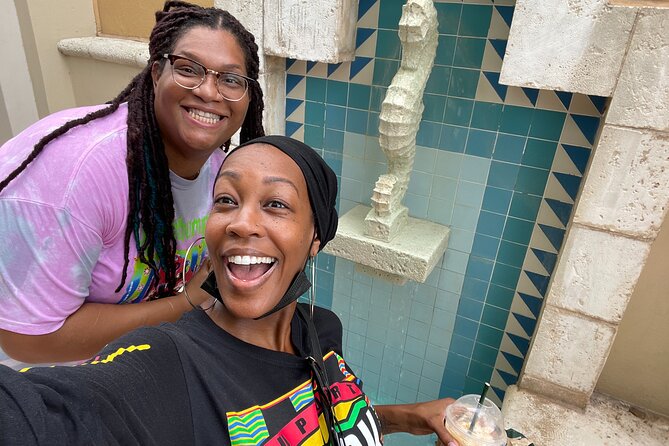
The meeting point is Fiddleheads Coffee at BMO Tower, 790 N Water Street. This is where you are expected to begin and where the activity ends. The coffee shop is meant to provide a natural place to gather, but opening hours and operating status matter, so it is smart to confirm that the meeting point is open at your start time.
The first minutes are important. Your remote host sends the quest to your team, explains the basic idea, and gets you moving. Since the event is interactive, you need a domestic phone number that works and can receive messages. The team must also have a fully charged smartphone with GPS, data, and the ability to send photos, videos, and texts.
If you use an international number, the game can be completed through WhatsApp or email. Arrange that contact method through the booking message before you arrive. Do not wait until your team is standing outside the starting point with a dead battery or a phone that cannot send images.
This is also the moment to set expectations. You are not being handed a printed route with every answer explained. You will get missions and then make choices as a group. That freedom is part of the fun, but it also explains why some teams find the opening less obvious than expected.
Pabst Theater: a strong first dose of Milwaukee character
The Pabst Theater is the first listed stop. It gives the hunt an immediate connection to Milwaukee’s performance and entertainment culture. As a clue location, it works well because the building has a clear identity and offers a memorable visual setting for photos and observations.
You may be asked to look closely, interpret a clue, or complete a playful task connected to the site. The exact mission can vary, so I would not expect a standard explanation of the theater’s architecture or full story. Instead, the location becomes a stage for your team.
That is the recurring pattern of this activity. The city provides the setting, while your group supplies the energy. A theatrical stop can be especially good for people who enjoy acting silly in public, posing for photos, or turning a simple clue into a short performance.
If your group is shy, the first challenge may feel like a test. The best approach is to agree that nobody has to be perfect. The game is designed around creative freedom, and a funny attempt is likely more useful than waiting for a flawless answer.
The Bronze Fonz and the fun of a familiar landmark

The Bronze Fonz is one of Milwaukee’s most recognizable public artworks. Its presence gives the hunt a simple, playful landmark that works well for photos and team tasks. It also adds a little pop-culture flavor to a route otherwise built around civic, commercial, and entertainment sites.
This stop should appeal to mixed-age groups. Children can recognize it as a large statue and photo opportunity, while adults may enjoy the connection to the television character. It is an easy place for a team to pause, regroup, and send evidence to the remote host.
The drawback is that a landmark alone does not guarantee a lesson. You may learn an unusual fact through a clue, but the game should not be mistaken for a detailed public-art tour. If you want the story behind every stop, plan to do some extra reading later or choose a conventional city tour instead.
The Bronze Fonz also shows why the game works better with a cooperative group. One person can frame the photo, another can read the mission, and another can keep track of the next direction. Small jobs keep everyone involved and prevent the outing from becoming one person’s phone project.
Same place, a different puzzle:
- Branson Murder Mystery- Branson’s Original #1 Murder Mystery
★ 5.0 · 1,513 reviews - The Escape Game Orlando: Epic 60-Minute Adventures on I-Drive
★ 5.0 · 730 reviews - The Escape Game Pigeon Forge: 60-Minute Adventures on The Island
★ 5.0 · 646 reviews - The Escape Game Cincinnati: 60-Minute Adventures at The Banks
★ 5.0 · 546 reviews
City Hall brings a civic note to the route
City Hall changes the tone. After the playful statue, a civic building gives the hunt a sense of place and helps you notice Milwaukee as a working city, not just a collection of attractions.
The clue here may ask you to spot details, connect an observation to local culture, or complete a creative task. You should expect to explore the area around the stop rather than receive a full guided explanation from a person standing beside you. The remote host can support your team, but your group remains responsible for reading, moving, and interpreting.
This stop may be more rewarding for curious adults than for very young children unless the mission is especially active. Families can still make it work by assigning children photo duties or asking them to search for visual details.
City Hall is also a reminder to respect the setting. The game encourages interaction and boldness, but public places still call for ordinary courtesy. Keep voices reasonable, avoid blocking entrances, and do not pressure strangers to participate. The best version of the activity spreads a little fun without making anyone uncomfortable.
Downtown Books adds a quieter, more personal pause
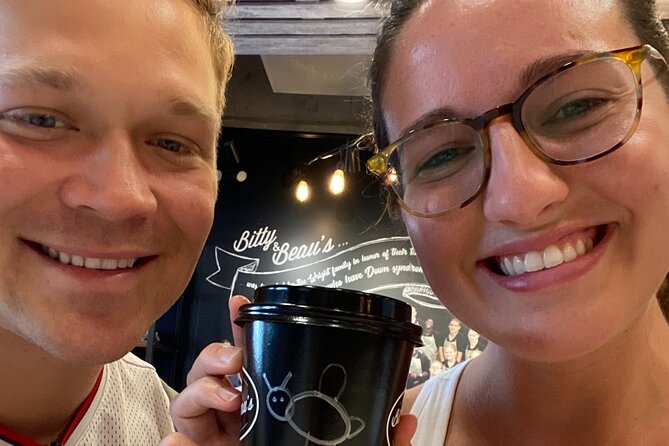
Downtown Books provides a change from large public landmarks. A bookstore gives the route a more intimate stop, with opportunities to notice local flavor through shelves, signs, and the feel of the place.
This is a good point for teams that enjoy observation more than performance. A clue may ask you to find something specific or connect a detail to the wider city. If you like browsing, the stop can feel more natural than a task that requires approaching strangers.
The indoor and outdoor mix is one of the practical strengths of the route. Weather can affect any city outing, but alternating settings gives your group a chance to escape the elements for a while. It also keeps the two-hour activity from feeling like one long march.
Do keep the phone ready. Photos and text messages are part of the game, and the host needs a way to confirm your progress. Your team should treat the phone as a tool, not the whole point. Look up from the screen often enough to notice the places you are visiting.
Red Rock Saloon closes the route with a social feel
Red Rock Saloon is the final listed stop. Its name and atmosphere fit the more social side of the hunt, giving the route a lively finish after the theater, statue, civic building, and bookstore.
The stop may work especially well for birthday groups, bachelor and bachelorette parties, and friends who want a lighthearted activity before another downtown plan. It gives the hunt a clear endpoint and a setting that feels less formal than City Hall.
You should not assume that the activity includes food, drinks, or a reserved table. Those details are not part of the supplied information, so treat Red Rock Saloon as a checkpoint rather than a bundled restaurant visit. If you want to stay afterward, make your own plans.
At the end, you return to the original meeting point. That makes transportation simpler and gives your group a clear finish, even if you chose to drive between some checkpoints.
Walking, driving, and the two-hour promise
The activity lasts about two hours. You may walk or drive between locations, which gives you flexibility but also means your pace depends on your team, traffic, parking, and how long you spend on challenges.
A fast group may move through the clues quickly. A team that stops for photos, talks with locals, or debates a creative answer will use more time. The stated duration is therefore best viewed as an approximate window, not a tightly timed guided route.
This flexibility can be useful for families. You can reduce walking if children tire easily, though you will need to manage your own transportation. It also helps groups with different energy levels. One person can focus on navigation while another handles the phone.
The route is listed as near public transportation, but no specific transit directions are provided. Check your own route before booking, especially if you are not staying downtown. A fully charged phone is more than a convenience here. It is central to the activity.
The maximum group size is 30 people. That is a sizable upper limit, so ask how a larger party will be divided or managed if you are booking a company outing. A small group may find it easier to make decisions and complete photo tasks. A large group can create more energy, but it may also slow down when everyone wants a say.
The remote-host format, with its strengths and weak spots

The strongest part of this experience is the human support without a traditional guide walking beside you. Your host can cheer you on, clarify a mission, and respond to your photos. That makes the game feel more personal than a basic self-guided app.
The weak spot is communication. One group had trouble understanding how to start, while another experienced confusion involving timing and contact. Those problems do not mean the format cannot work, but they show why you should read the opening instructions carefully and ask questions early.
I would set up one team phone and one backup phone if possible. Keep the battery full, allow photo and message access, and make sure someone is watching incoming texts. If your phone has limited data or an international number, arrange WhatsApp or email contact in advance.
The challenges also require a willing spirit. One task involved a social experiment, which may not suit every person. You can interpret missions creatively, but your team should agree on its comfort limits. A good group knows how to be playful without forcing the most reluctant person into a public stunt.
Who gets the best value from the ticket?
The value depends less on the number of stops than on how much your group enjoys the format. You are paying for a hosted game, not simply five attractions. The remote guide, clue design, feedback, and group structure are the main product.
I think the ticket makes the most sense for:
- Friends who want an unusual way to spend an afternoon
- Families who enjoy games and can manage phone-based tasks
- Birthday groups seeking something more active than a meal
- Corporate groups that want a team challenge
- Visitors who like wandering without following a conventional lecture
- Locals who want to look at downtown through a different lens
It is a weaker value for someone who wants a formal Milwaukee history lesson, a quiet walk, or a fixed schedule with every detail explained. It may also disappoint if you expect the full two hours to be packed with long historical commentary.
The provider charges by the person, and children generally need tickets too. Ages two and under are free. Since the exact price is not supplied here, compare the current total with other group activities before booking. For a birthday or corporate event, the shared laughs and coordinated tasks may justify the cost. For a couple seeking a calm sightseeing tour, the value is harder to defend.
Practical details before you reserve
Confirmation is provided when you book. Free cancellation is available if you cancel at least 24 hours before the local start time. Changes or cancellations inside that window are not refundable.
Service animals are allowed, and the activity is described as dog-friendly and family-friendly. Most people can participate, but the game involves walking or driving, phone use, photography, and occasional public interaction. Consider your group’s comfort with those demands before paying.
The experience is offered in English. It can accommodate up to 30 people, though a smaller team may find the clues easier to manage. Bring comfortable shoes if you plan to walk, though the supplied information does not specify a required dress code or exact walking distance.
Most important, bring:
- One fully charged smartphone per team at minimum
- GPS, mobile data, and photo, video, and text capability
- A working domestic phone number, or prearranged WhatsApp or email
- A group ready to make decisions and try creative tasks
- A backup plan for weather, since parts of the game take place outdoors
Should you book the Magical Milwaukee Scavenger Hunt?
Book it if your group wants to laugh, move around downtown, take pictures, and accept a little harmless silliness. The Pabst Theater, Bronze Fonz, City Hall, Downtown Books, and Red Rock Saloon create a varied route, while the remote host gives the game a human touch.
Skip it if your main goal is detailed Milwaukee history or a polished, step-by-step guided tour. The instructions may take a moment to understand, and the phone-based format asks everyone to participate.
My practical verdict is positive for the right group, with clear reservations. Think of it as a social city game with local color, not a history seminar. Arrive with a charged phone, confirm the contact method, and choose companions who enjoy creative challenges. Do that, and the hunt has a good chance of turning an ordinary downtown outing into a memorable one.
FAQ
How long does the Magical Milwaukee Scavenger Hunt last?
The activity lasts approximately two hours. The actual pace can depend on how quickly your team solves clues and completes challenges.
Where does the hunt start and finish?
It starts at Fiddleheads Coffee in BMO Tower, 790 N Water Street, Milwaukee. The activity ends back at the same meeting point.
What locations are included?
The listed stops are the Pabst Theater, Bronze Fonz, City Hall, Downtown Books, and Red Rock Saloon.
Do I need a smartphone?
Yes. Each team must bring at least one fully charged smartphone with GPS and the ability to send and receive data, photos, videos, and text messages.
Can I use an international phone number?
If you have an international number or technical problems, you must complete the game through WhatsApp or email. Provide that contact information in advance through a booking message.
Is the hunt suitable for children and dogs?
The activity is family-friendly and dog-friendly, and service animals are allowed. Ages two and under are free, while most other participants require a ticket.
Just added around the USA
- Ventura Scavenger Hunt Walking Tour and Game★ 4.0 · 4 reviews
- Vail Venture Scavenger Hunt★ 3.5 · 8 reviews
- Save the Mountain Escape Room Adventure★ 5.0 · 4 reviews
- A Spectacular Scavenger Hunt: Center of the Universe★ 4.0 · 4 reviews
- Tybee Island, Georgia Scavenger Hunt★ 4.0 · 7 reviews
- Tucson Scavenger Hunt by Wacky Walks★ 4.5 · 2 reviews
- Amazing Scavenger Hunt: Desert Oasis★ 3.5 · 3 reviews
- Thrilling Traverse City Scavenger Hunt★ 4.0 · 7 reviews
Scavenger Hunts, compared.


Amazing Cozumel Race: Small-Group Tour and Scavenger Hunt
Read our review →
An Epic Scavenger Hunt: New York City Central Park Adventure
Read our review →

Escaping and spying on the Berlin Wall Scavenger hunt
Read our review →