

Review · GHENT
Discover Ghent while playing! Escape game – The Walter case
Ghent becomes your game board. The Walter Case turns a city walk into a private detective story, sending your group through central Ghent as you investigate blackmail, question suspects, and search for a bomb. I like the freedom to choose your route and the fact that the activity works for a private group of up to six people. I also like the family-friendly puzzle level, which can make sightseeing more lively for children.
The main drawback is that this is not a full cultural tour of Ghent. The route passes well-known sights, but the story does not consistently explain their history or importance. A second consideration is the game’s opening stretch: the setup and character introductions may feel slow before the mystery begins to gather speed.
Key points at a glance

- A two-hour countdown: Your private-detective mission centers on a bomb hidden somewhere in Ghent.
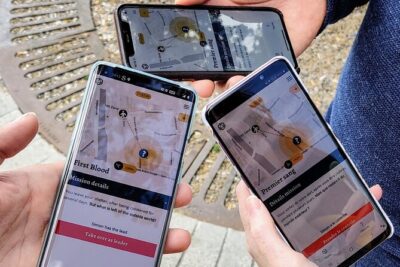
- A self-guided city game: You use your own smartphone and follow the mobile application between locations.
- A flexible investigation: Your choices affect the route, the suspects you question, and where you search.
- Suitable for up to six people: The price is listed per group, not per person, which can be good value for families or friends.
- A route past major sights: You see some of Ghent’s best-known landmarks, though the game is not designed as a detailed history tour.
- A mixed difficulty level: The puzzles are often manageable for younger children, but unclear instructions or logic could frustrate some groups.
Starting the Walter Case on Jakobijnenstraat
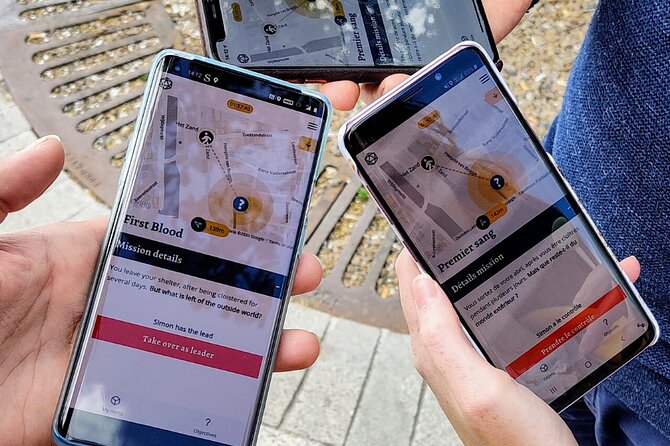
The experience starts on Jakobijnenstraat, 9000 Gent, in the heart of Ghent. You do not meet a guide. Instead, your group uses a smartphone and the Coddy mobile application to receive instructions, follow the story, and complete the challenges.
That self-guided format changes the mood. You are not walking behind a flag or waiting for a guide to finish a speech. Your group sets the pace, stops when it needs to, and decides how seriously to play the detective roles. For a private group, that can feel relaxed and personal.
Before booking, make sure everyone is comfortable sharing one or more phones and reading instructions on a screen while walking. The supplied information says a smartphone is all you need, but it does not specify whether each participant needs a separate device or whether the app works offline. A charged phone is a sensible precaution.
The start is easy to find, which matters when you are fitting the game around a day of sightseeing. The meeting point is near public transportation, and the activity finishes back at the same location. That makes it simpler to plan lunch, another attraction, or your return journey afterward.
More Escape Games in Belgium:
- Escape Hunt Brussels, Escape Game
★ 5.0 · 103 reviews - e-Scavenger hunt Antwerp: Explore the city at your own pace
★ 4.5 · 67 reviews - e-Scavenger hunt Bruges: Explore the city at your own pace
★ 4.5 · 58 reviews
The first chapter: blackmail, suspects, and a slow setup
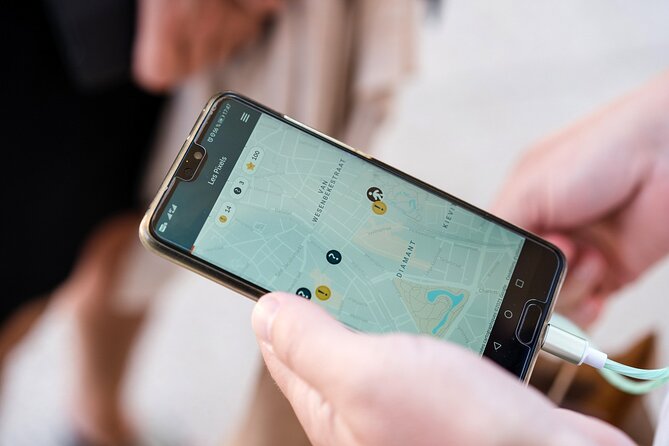
The story begins with what sounds like a fairly ordinary blackmail case involving a billionaire chief executive. Then the stakes rise quickly. You discover that a bomb is hidden somewhere in the city and is set to explode in two hours.
You play a private detective with the best leads available. The application guides your group from one point to the next, combining story sections with puzzles and missions. The plot changes according to your decisions, so you choose which path to follow, which suspects to question, and where to search.
This is an appealing setup for a group that enjoys making decisions together. One person may focus on clues, another may read the plot, and someone else may keep an eye on the route. The game gives you a reason to talk, rather than simply asking you to follow a fixed list of directions.
The early section may test your patience. The character introductions and story setup can take a while, and the mystery may not feel fully active at first. If your group wants immediate puzzles from the first minute, this part could seem long. If you enjoy a story that needs time to introduce its cast, it gives the later clues more context.
Following the route through Ghent
The route takes you through city streets and past well-known Ghent sights. That gives you a useful middle ground between an indoor escape room and a normal walking tour. You are moving through real streets, but each stop has a task attached to it.
The city itself provides the setting for the investigation. You might find that a building, street, or monument helps frame a clue, though the exact route and missions depend on the choices your group makes. Since the game allows different routes, your experience may not follow the same order as another group’s session.
I like this format for a first visit when you want to see some of Ghent without committing to a formal sightseeing tour. The route helps you cover ground and gives children a reason to pay attention to the surroundings. It can also break up a long day of looking at churches, canals, and old buildings.
Still, you should set your expectations correctly. The game uses Ghent as its setting, but it is not built to teach the city’s culture or monuments in detail. If you want dates, architectural explanations, and historical context at each stop, choose a dedicated city tour instead. Here, the sights support the mystery rather than becoming the main subject.
How the puzzles and missions work

The activity mixes tasks in the app with clues found in the city around you. Some missions ask you to interpret information, follow leads, or make a decision about the investigation. The exact puzzle sequence is not fixed because your choices influence the route.
That flexibility is one of the best ideas in the game. You are not simply checking off stops. Your group must decide what seems important, and the story responds to those decisions. It gives the walk a sense of purpose, even when you are moving between locations.
The difficulty appears to sit in the middle for many families. One family-oriented assessment described the tasks as neither too easy nor too hard, and found the game useful for helping young children experience a city in a different way. That is a good sign for groups with mixed ages.
But the design may not work equally well for everyone. One participant found the puzzle logic hard to follow and expected more clues from the physical surroundings. That is an important warning. If your group gets stuck, reread the instructions carefully before assuming the city itself contains an obvious answer.
The app-led structure also means you need to pay attention to both the phone and the street. Avoid rushing while reading. Ghent is a city to walk through, not a place to stare at a screen for two and a half hours.
Same place, a different puzzle:
- Bruges Scavenger Hunt and Highlights Self Guided Audio Tour
★ 4.0 · 54 reviews - e-Scavenger hunt Ghent: Explore the city at your own pace
★ 4.5 · 41 reviews - Beer Tasting and Scavenger Hunt in Brussels – About 3 Hours
★ 4.5 · 35 reviews - e-Scavenger hunt Mechelen: Explore the city at your own pace
★ 4.0 · 34 reviews
The two-hour countdown and the sense of pressure

The bomb countdown gives the story its urgency. You have two hours in the fiction to find and defuse it, while the full activity is advertised at approximately two hours and thirty minutes.
That extra half hour matters. It allows time for walking, reading, discussing clues, and making choices. You should not treat the two-hour bomb clock as a promise that the whole activity ends precisely at the two-hour mark. The real session can take longer, especially if your group pauses or needs to work through a difficult puzzle.
The countdown also gives children and adults a clear goal. You are not wandering without direction. Each decision has a reason, and the ticking clock can keep the group focused.
At the same time, the pressure is story-based rather than a reason to hurry through the city. The supplied information does not promise an intense race or a physical challenge. Expect a walking investigation with a timed plot, not an athletic event.
The ending and the reward for sticking with it

The mystery is designed to build toward a surprising ending. That payoff is especially useful because the opening can feel slow. Once the puzzle pieces begin to fit, the story has more momentum and the final reveal gives the walk a clear sense of purpose.
I would avoid trying to solve everything alone. The game is better when one person spots a detail, another remembers a line from the story, and a third person challenges the group’s first theory. With up to six people, you have enough minds to share the work without creating a huge crowd.
Larger groups can also become noisy or indecisive, so six is probably best treated as a maximum rather than an ideal number for every group. A family of four or a small circle of friends may find it easier to agree on a route and keep track of the plot.
If you do not finish, the experience may feel disappointing. One group struggled with the puzzle logic and stopped before reaching the end. That makes it worth taking your time with the instructions and keeping the whole group involved instead of letting one person control the phone.
Price, timing, and practical value
The listed price is $23.16 per group of up to six people. That is a strong price if you are traveling with five or six participants, since the cost works out to only a few dollars per person. For a couple, the value is less striking, but you are still paying for a private activity lasting about two and a half hours.
The private format is the key point. You are not sharing the investigation with strangers, and the game can suit your own family or friend group. A conventional guided activity may offer more information, but this gives you privacy and control.
The stated operating period runs from November 15, 2021, through June 18, 2026, with hours listed from midnight to 11:30 p.m. daily. Since the activity is app-based, those broad hours give you plenty of scheduling freedom. Confirm the available start time when booking, especially if your visit falls near the end of that period.
Free cancellation is available if you cancel at least 24 hours before the local start time. Inside that window, the payment is not refunded and changes are not accepted. That is a useful safety net, but you should still choose a realistic time because the game takes a substantial part of an afternoon or evening.
Service animals are allowed, and most people can participate. The activity is near public transportation. The supplied details do not describe the route’s accessibility, distance, or seating, so contact the provider if your group has specific mobility needs.
Who will enjoy this Ghent mystery most?
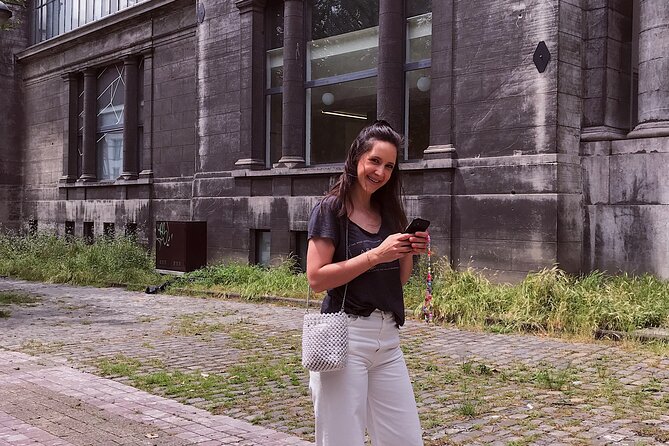
I would choose The Walter Case for families with older children, friends who like puzzles, and repeat visitors who want a different way to walk through Ghent. It also suits people who prefer private activities and dislike being tied to a guide’s fixed pace.
It is less suitable if your main goal is learning about Ghent’s art, architecture, and history. The route passes famous sights, but the game does not fully explain them. You may want to pair it with a museum visit or a proper city tour.
It may also disappoint serious escape-room players who expect dense, highly polished puzzle design. The outdoor format depends on an app, city movement, and group discussion. That makes it social and accessible, but not necessarily as precise as a purpose-built escape room.
My verdict on The Walter Case
Book this activity if you want a private, low-cost city game with a clear story, a ticking clock, and enough flexibility to keep your group involved. The family-friendly difficulty and route past major Ghent sights are its best features, especially when children need a reason to keep walking.
Skip it if you want a detailed introduction to Ghent or if your group has little patience for a slow opening and app-based instructions. Go in expecting a playful mystery rather than a history lesson, read the clues carefully, and give the story time to develop. For the right group, the surprising finish can make the whole walk worthwhile.
FAQ
Where does The Walter Case start?
The activity starts on Jakobijnenstraat, 9000 Gent, Belgium.
Where does the activity finish?
The game ends back at the meeting point on Jakobijnenstraat.
How long does the game take?
The approximate duration is two hours and thirty minutes.
How many people can join one group?
Each group can include up to six people.
What do I need to play?
You need a smartphone to use the mobile application and follow the game.
Is this a guided tour?
No. This is a self-guided urban escape game that leads your group through the city using the application.
Is the route fixed?
No. The story develops according to your choices, including which route you take, which suspects you question, and where you search.
Does the game visit Ghent landmarks?
The route goes past well-known sights in Ghent, but the game is not designed as a detailed cultural or monument tour.
Is the activity suitable for children?
The available information indicates that most people can participate, and the puzzle level can work well for young children. The exact suitability depends on your child’s interest in stories, walking, and solving app-based tasks.
Can I cancel for a full refund?
Yes. You can receive a full refund if you cancel at least 24 hours before the experience start time. Cancellations within 24 hours are not refunded.
Just added around Belgium
- Discover the secrets of Mechelen while playing! Escape room★ 4.0 · 6 reviews
- Discover Mechelen while escaping the zombies! Escape room★ 4.0 · 3 reviews
- Discover Mechelen while playing! Escape game – The Walter case★ 3.5 · 2 reviews
- Discover Namur while playing! Escape game – The Walter case★ 4.5 · 2 reviews
- e-Scavenger hunt Namur: Explore the city at your own pace★ 3.5 · 5 reviews
- Discover Liège while playing! Escape game – The Walter case★ 4.5 · 5 reviews
- Namur: Escape Game in the city – The Alchemist★ 4.0 · 5 reviews
- Cork: Magic Themed Escape Game in Town★ 4.5 · 2 reviews
Ghent Escape Games, compared.


Discover Ostend while playing! Escape game – The Walter case
Read our review →
e-Scavenger hunt Kortrijk: Explore the city at your own pace
Read our review →
Discover Ghent with a self-guided Outside Escape city game tour!
Read our review →
e-Scavenger hunt Ostend: Explore the city at your own pace
Read our review →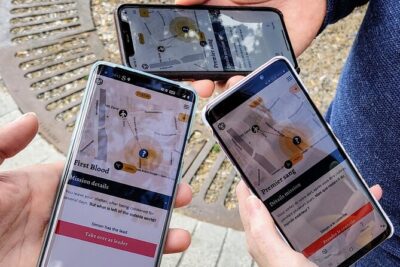

Browse the lists this game appears in