
Review · GHENT
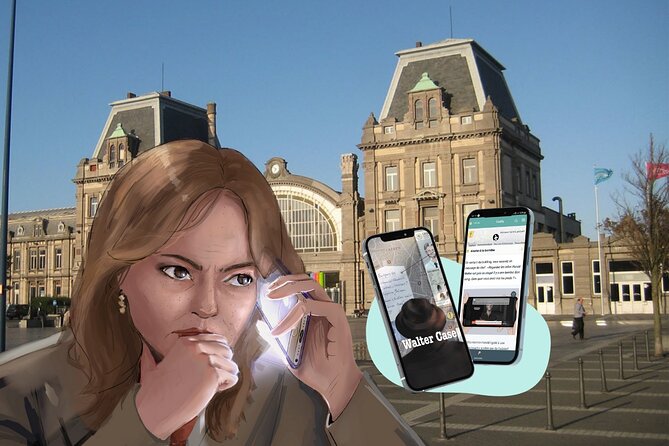
Discover Ostend while playing! Escape game – The Walter case
A ticking bomb turns sightseeing into a game. The Walter Case sends you through Ostend as a private detective, following clues, questioning suspects, and choosing your own route through the city. I like the mix of puzzle-solving and local sightseeing, and I like that the story works for families, with teenagers especially likely to get involved. The main point to check is the location: the booking information lists Ghent in one place, but the start point and activity itself are in Ostend.
The game lasts about two and a half hours and costs $24.07 per group of up to six. That is strong value for a full group, especially since it is a private experience rather than a shared tour. Still, the format is not a traditional guided walk, so you should be happy reading clues, making decisions, and moving around town without a guide beside you.
Key points about The Walter Case
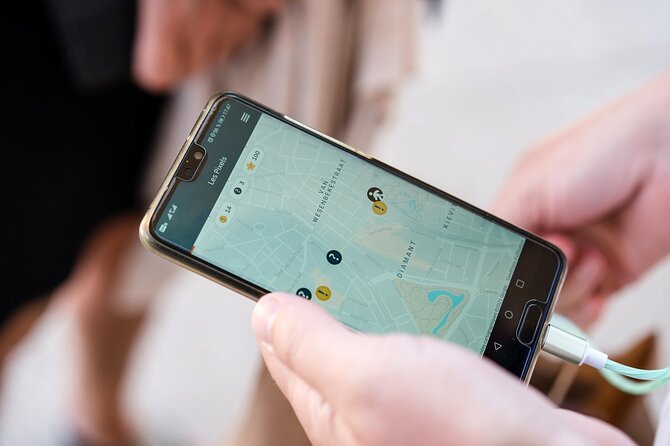
- A bomb plot drives the game: You have two hours in the story to find and defuse a bomb hidden somewhere in Ostend.
- You choose the route: Your decisions affect which suspects you question, where you search, and how the investigation develops.
- Sightseeing comes with the puzzles: The route passes Ostend buildings, historic monuments, the beach, restaurants, and busy public areas.
- A good family format: A 14-year-old participant enjoyed crossing Ostend and became involved once the game began.
- Private and affordable for groups: One booking covers up to six people, making the per-person cost low for a family or group of friends.
- Easy booking basics: The activity is offered in English, begins at Natiënkaai 1, and ends back at the same meeting point.
Starting at Natiënkaai 1 in Ostend
The meeting point is Natiënkaai 1, 8400 Oostende, Belgium. This is where you begin and where the activity ends, so you do not need to arrange a second pickup point or figure out a return route after the final clue.
The booking details describe the activity as taking place in Ostend, even though the location field also mentions Ghent. Treat Ostend as the correct destination because the start address, story, and sightseeing references all point there. If you are planning a day trip, check your transport carefully before booking, especially if you are comparing activities in Ghent and Ostend.
The opening window is broad: Monday through Sunday from 12:00 AM to 11:30 PM, for the stated operating period ending December 10, 2026. That gives you plenty of choice, but the exact start time should be confirmed during booking. A game built around walking and clues is usually easier when you have enough daylight, particularly if you want to notice the buildings and public spaces along the route.
More Escape Games in Belgium:
- Escape Hunt Brussels, Escape Game
★ 5.0 · 103 reviews - e-Scavenger hunt Antwerp: Explore the city at your own pace
★ 4.5 · 67 reviews - e-Scavenger hunt Bruges: Explore the city at your own pace
★ 4.5 · 58 reviews
The first five minutes: from walk to investigation
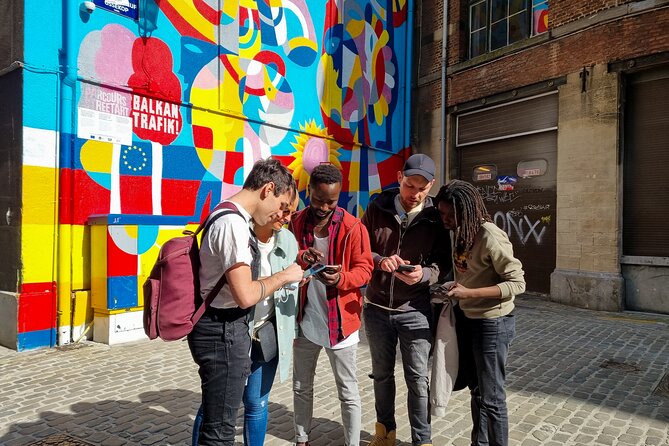
At first, the experience may feel like an ordinary city walk. That changes quickly. One family account describes the game element arriving after about five minutes, which is useful to know if your group needs a moment to understand the format.
The story begins with what sounds like a routine blackmail case involving a billionaire chief executive. Then the stakes rise: a bomb has been hidden in Ostend, and it is set to explode in two hours. You are told that your group has enough leads to stop it, but you must decide what to do with those leads.
This opening gives the game a clear purpose. You are not simply collecting random clues around town. You have a case, a deadline, possible suspects, and a reason to pay attention. The countdown also gives younger players a role, since they can help watch the time, spot details, and argue for the next move.
The real duration is about two and a half hours, while the story uses a two-hour bomb countdown. That difference is worth understanding. The countdown is part of the fiction and adds pressure, while the practical activity length allows time for walking, reading, discussing, and solving.
Choosing suspects and searching Ostend
The Walter Case is designed around choices. You decide which route to follow, which suspects to question, and which locations to search. This is the main difference between this activity and a standard guided tour with a fixed script.
I like this structure because it gives your group control. You can pause to discuss a clue instead of simply waiting for the next guide explanation. A confident group may move quickly through the case. A family with younger children can take time to explain what is happening and let everyone offer a theory.
The tradeoff is that group decisions can be slower than a normal walk. Six people may produce six opinions, and not all of them will agree about the best clue or suspect. That is part of the fun, but you should expect conversation, wrong turns, and moments when the next step is not immediately obvious.
You play as private detectives, so the activity works best when everyone joins the investigation. One person can read instructions, another can track clues, another can watch the time, and someone else can take the lead on navigation. Teenagers often enjoy having genuine input rather than being asked simply to follow adults from one stop to the next.
Ostend’s buildings and monuments along the way
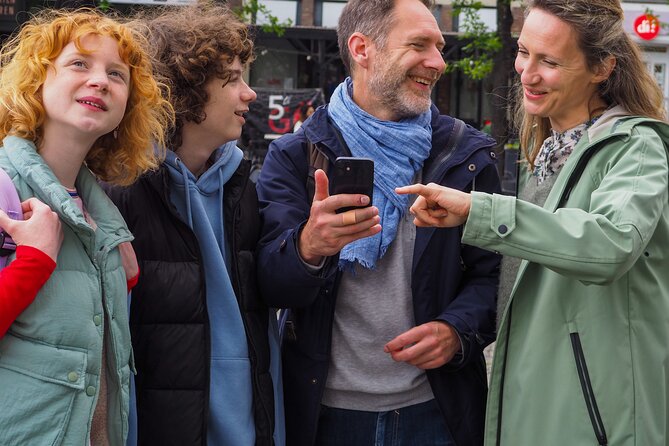
The game does more than move you from one puzzle point to another. You also receive explanations of the buildings you pass. This makes the experience useful for visitors who want to see Ostend while doing something active.
The available details do not provide a fixed list of stops, and that is important. Your choices affect the route, so you should not expect a standard sightseeing circuit with every landmark visited in the same order. The activity does, however, connect the investigation with Ostend’s historic monuments, city streets, beach, restaurants, and general atmosphere.
That combination gives the walk a local feel. You are not solving puzzles in a sealed room with no connection to the destination. The city becomes part of the case. A building may serve as a clue location, a route marker, or simply part of the explanation as you pass it.
I would keep your sightseeing expectations balanced. The historical information appears to support the game rather than replace a full guided history tour. If your main goal is detailed architectural commentary, you may want a separate city tour. If you want a playful way to see parts of Ostend, the explanations add welcome context.
Same place, a different puzzle:
- Bruges Scavenger Hunt and Highlights Self Guided Audio Tour
★ 4.0 · 54 reviews - e-Scavenger hunt Ghent: Explore the city at your own pace
★ 4.5 · 41 reviews - Beer Tasting and Scavenger Hunt in Brussels – About 3 Hours
★ 4.5 · 35 reviews - e-Scavenger hunt Mechelen: Explore the city at your own pace
★ 4.0 · 34 reviews
The beach, restaurants, and city atmosphere

Ostend brings variety to the experience. The route includes the possibility of seeing the beach, restaurants, historic monuments, and public streets. That matters because a two-and-a-half-hour puzzle walk can feel repetitive if every clue is found in the same kind of setting.
The beach adds a strong change of scene from the city center. Restaurants and public areas give you a sense of how Ostend functions as a seaside destination, not just as a collection of puzzle points. The local setting also gives your group natural moments to pause, look around, and reset after a difficult clue.
You should remember that this is an urban activity. You will be moving through public areas rather than staying in a private game room. That can make the experience more interesting, but it may also mean dealing with normal city movement and distractions. Keep your group together, especially if children are participating, and make sure everyone knows the meeting point.
The activity is listed as being near public transportation. That makes the starting point practical for people arriving without a car. The information does not specify a particular station, route, or parking arrangement, so check your own journey to Natiënkaai 1 before setting out.
Why the private format matters
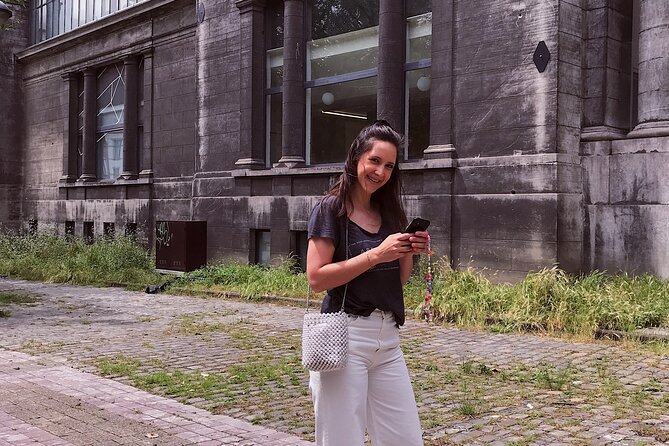
The Walter Case is a private activity, meaning only your group participates. That is a big advantage for families and friends. You can solve clues at your own pace, give teenagers room to speak, and avoid being paired with strangers who may have a different idea of fun.
A private group also makes the story more coherent. Everyone is working on the same case, rather than trying to hear a guide over several unrelated conversations. If your group enjoys playful competition, you can divide responsibilities and see who spots the next lead first.
The downside is that the game depends on your group energy. A traditional guide can keep a quiet group moving, explain a confusing point, and add color through personal stories. Here, you are responsible for discussing the evidence and making progress. The activity suits people who enjoy participation more than passive sightseeing.
The group limit is six. That is enough for a family, two or three couples, or a small group of friends. With six participants, it may help to give each person a job so one strong personality does not make every decision.
Family appeal, especially for teenagers
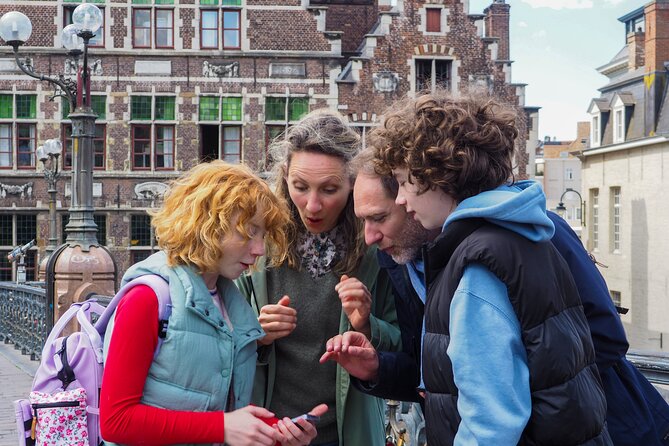
The strongest family feature is the way the game gives young people a reason to cross the city. One 14-year-old reportedly enjoyed moving around Ostend and became engaged once the puzzle element began. That is a useful clue for parents: the experience may work better for teenagers than a standard monument walk.
The story is easy to explain. There is a blackmail case, a hidden bomb, a limited amount of time, and a series of choices. Children and teenagers can understand the goal quickly, then contribute by spotting details or challenging the group’s assumptions.
The activity is not described with a minimum age, so you should judge suitability for your own children. The bomb plot creates fictional suspense, but the supplied information does not describe the tone as frightening or intense. Younger children may enjoy the movement and searching, while older children are more likely to follow the investigation closely.
Parents should also remember the practical side. This is a long urban activity, lasting around two and a half hours, and it involves moving through Ostend. Comfortable shoes and a willingness to stay alert in public spaces will help, though the provided information does not specify the exact distance or terrain.
Price and value for a group of six

The listed price is $24.07 per group of up to six people. At the maximum group size, that works out to roughly $4 per person, which is excellent value for two and a half hours of private entertainment and sightseeing.
The value changes if only one or two people book. A couple would still get a private city game, but the per-person cost is higher than it is for a full family or friend group. If you are visiting with six people, this is one of the strongest reasons to consider it.
Price is also about the type of experience you want. You are paying for a self-directed investigation, not a live guide who tells stories at every stop. If your group likes solving puzzles and making choices, the low group price looks appealing. If you prefer a carefully narrated tour with a fixed route, the format may feel less satisfying even at this price.
The 4.2 rating from 16 ratings gives a positive but not flawless signal. The activity is recommended by 100 percent of participants in the supplied summary, while the average score shows that expectations can differ. I would read that as encouragement rather than a guarantee that every clue or route will suit every group.
English, accessibility, and practical planning
The game is offered in English, which makes it straightforward for English-speaking visitors. No other language options are listed, so confirm the language if your group needs something different.
Confirmation is provided at booking. The activity is near public transportation, and service animals are allowed. Most people can participate, but the information does not give detailed guidance about wheelchair access, walking distance, restrooms, hills, or the exact nature of every stop.
Because this is a street-based experience, contact the provider if anyone in your group has specific mobility needs. Coddy is the experience provider, and the booking information lists free cancellation up to 24 hours before the start time. Cancellations made less than 24 hours ahead are not refunded, and changes inside that window are not accepted.
Who should book The Walter Case?
I would choose this for a family with school-age children or teenagers, a small group of friends, or anyone who likes city exploration with a puzzle attached. It is especially appealing if you have already seen enough conventional sightseeing and want a reason to look more closely at Ostend.
I would be more cautious if your group wants a calm, fully guided walk, detailed historical commentary, or a precise list of landmarks. The route changes with your decisions, and the experience asks you to take an active role. That is its strength, but it is not the right fit for every style of sightseeing.
Check the Ostend address carefully, gather a group of up to six, and plan for about two and a half hours. If your party enjoys debating clues and walking through a seaside city with a fictional deadline hanging over the case, this is a budget-friendly way to make Ostend feel like a game board.
Should you book The Walter Case?
Book it if you want private, family-friendly fun with sightseeing built into the plot. The low group price is particularly attractive for six people, and the choice-based format gives teenagers and adults a real role in the story.
Skip it if you want a traditional guided tour or dislike uncertainty about the next stop. For the right group, though, the bomb plot, city route, beach setting, and chance to choose your own investigation offer a lively way to see Ostend without spending much.
FAQ
Where does The Walter Case begin?
The activity begins at Natiënkaai 1, 8400 Oostende, Belgium.
Where does the activity end?
The activity ends back at the meeting point.
How long does the experience last?
The experience lasts approximately two hours and 30 minutes.
How many people can join one booking?
One private group can include up to six people.
Is the game offered in English?
Yes. The listed language is English.
Is public transportation available near the meeting point?
The activity is listed as being near public transportation.
What is the cancellation policy?
You can cancel up to 24 hours before the start time for a full refund. Cancellations or changes made less than 24 hours before the start are not accepted for a refund.
Just added around Belgium
- Discover the secrets of Mechelen while playing! Escape room★ 4.0 · 6 reviews
- Discover Mechelen while escaping the zombies! Escape room★ 4.0 · 3 reviews
- Discover Mechelen while playing! Escape game – The Walter case★ 3.5 · 2 reviews
- Discover Namur while playing! Escape game – The Walter case★ 4.5 · 2 reviews
- Discover Liège while playing! Escape game – The Walter case★ 4.5 · 5 reviews
- Namur: Escape Game in the city – The Alchemist★ 4.0 · 5 reviews
- e-Scavenger hunt Namur: Explore the city at your own pace★ 3.5 · 5 reviews
- Cork: Magic Themed Escape Game in Town★ 4.5 · 2 reviews
Ghent Escape Games, compared.

e-Scavenger hunt Kortrijk: Explore the city at your own pace
Read our review →
Discover Ghent with a self-guided Outside Escape city game tour!
Read our review →
e-Scavenger hunt Ostend: Explore the city at your own pace
Read our review →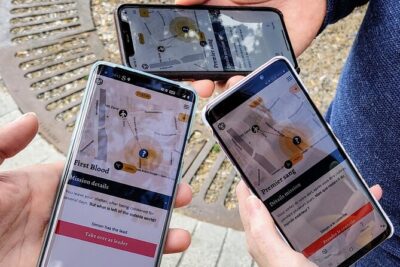

Discover Ghent while playing! Escape game – The Walter case
Read our review →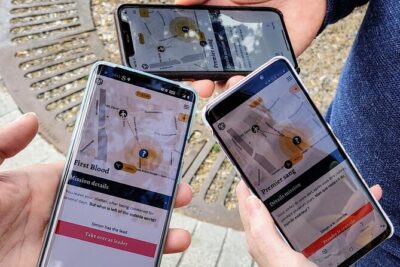
Browse the lists this game appears in