
Review · AUCKLAND
Steal The Crown Escape Room Experiences
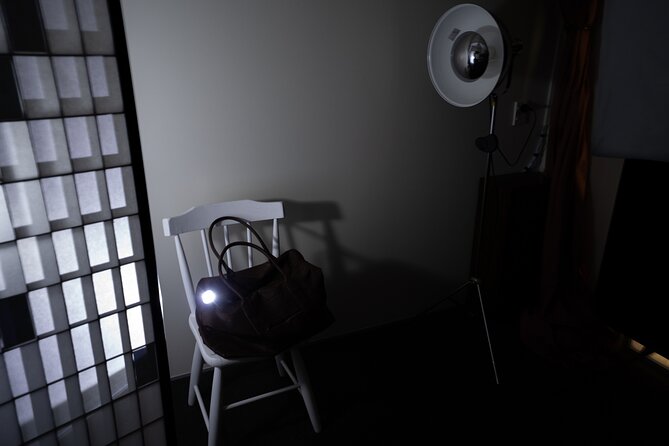
A crown, a clock, and one hard job. Steal The Crown gives your private group 90 minutes to raid a photography studio, find a jewel-covered crown, and get out before the opportunity disappears. I like the unusual fantasy setting, with its gnome’s house flavor, and the smart use of Sam, a teammate on the outside who can see what your group cannot. The main catch is clear: this is a difficult room, so it may frustrate players who want a light, quick puzzle session.
You’ll work with up to five other people, making this a good pick for friends, families, or a small team that enjoys solving problems together. The private-room format means you are not paired with strangers, and the 90-minute format gives the story more room to develop than a standard one-hour escape room.
The puzzles may feel stressful at first, especially if your group is new to escape rooms. That pressure is part of the fun, but you should arrive ready to communicate, share ideas, and use the available help instead of guarding your favorite theory.
Key points before you book
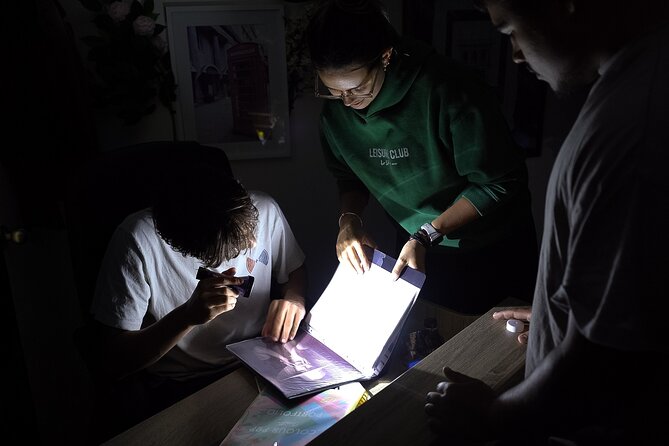
- A 90-minute escape room: You get more time than the usual 60-minute format, but the mission is also built with greater complexity.
- Sam helps from outside: Your off-site teammate can access resources and security-camera views that your group cannot.
- A private group of up to six: You solve the mission with your own party, not with people assigned to you.
- A fantasy-themed gnome’s house: The setting gives this heist a playful, family-friendly tone.
- Upstairs access: The room is not easily accessible for wheelchair users or people with some physical impairments.
- A tough team challenge: The puzzles connect to one another, so careful thinking and clear communication matter.
Your mission at 65 Karepiro Drive
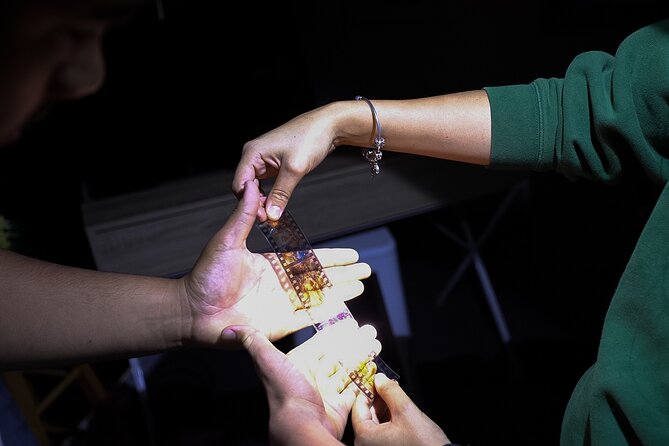
Steal The Crown takes place at Escapism at 65 Karepiro Drive, Stanmore Bay, Whangaparāoa. The activity begins and ends at this meeting point, and private transportation is not included. You should arrive at least 15 minutes early for the briefing. That extra time matters, since you do not want to spend your first minutes learning the rules while the rest of your group is ready to go.
The story gives you a clean, easy-to-follow goal. Your crew are professional thieves. A photography studio is empty for 90 minutes, and somewhere inside is a crown covered in jewels. Your job is to search the studio, locate the crown, and escape.
The setup is simple enough for first-time players to understand, but the actual room is not presented as an easy introduction. Escapism designed it with greater complexity, so you should expect layers of clues rather than a single line of obvious tasks. One discovery may help explain another puzzle, and an item that seems unimportant early on may matter later.
That connected structure is why you need to talk out loud. If you find a clue, tell the whole group. If you think you have worked out a pattern, explain how you got there. A silent genius is less useful here than a slightly chaotic team that shares every useful thought.
More Escape Rooms in the world:
- Sofia Escape Room – Teorema Rooms
★ 5.0 · 895 reviews - The Escape Game Orlando: Epic 60-Minute Adventures on I-Drive
★ 5.0 · 730 reviews - The Escape Game Pigeon Forge: 60-Minute Adventures on The Island
★ 5.0 · 646 reviews
The 15-minute briefing and first look inside
Before the game starts, you receive an English-language briefing. If nobody in your group has played an escape room before, this is where you learn the basic idea: your group enters a themed room, has 60 minutes of active puzzle-solving in the standard game structure, and works together to complete the mission. In this version, the full experience is advertised as 90 minutes, so the briefing and room format should be clarified when you arrive.
The supplied information describes Steal The Crown as a 90-minute, or 1.5-hour, escape room. It also describes the general escape-room format as 60 minutes in the themed room. I would treat the 90-minute figure as the total advertised activity length, while confirming the exact breakdown during the briefing.
The room has a family-friendly fantasy angle, with a gnome’s house theme. That gives the heist a lighter tone than a grim crime scenario. You still have a serious mission, but the setting should work for groups who prefer imagination and playful detail over anything frightening.
You should not expect a passive attraction. The fun comes from handling the room yourself. You search, test ideas, compare clues, and decide what deserves attention. The guide is there to explain the rules and support the game, not to solve the crown hunt for you.
Searching the photography studio
Once the mission begins, your group searches the photography studio for evidence of the crown and the route out. The room’s purpose is not just decoration. It is the playing field, and you need to examine what is around you while avoiding the common mistake of treating every object as equally important.
I like this kind of setup because the story gives your actions a reason. You are not solving random puzzles placed in a room. You are looking for a valuable object during a planned theft, with a limited window before the studio is no longer empty.
The room is designed to be challenging from the start. The first stage may feel slow as you work out what the game expects from you. That is normal for a complex escape room, but it can be uncomfortable if one person in your party expects instant progress.
A good approach is to divide attention without splitting the group into isolated corners. Two people can search, another can inspect a discovered object, and someone else can keep track of information. Keep clues in a visible shared area if the room allows it, and avoid hiding discoveries from the rest of the team.
The available feedback suggests that the clues build on one another. That means an apparent dead end may simply be waiting for information from another part of the room. If you cannot make sense of a clue, do not spend the entire game forcing it. Set it aside, communicate what you found, and return to it when the group has more context.
Sam, the extra pair of eyes
The most distinctive feature is Sam, your teammate on the outside. He has hacked into the security cameras and can see things your group cannot. He also has resources available to him, giving you a second viewpoint during the heist.
Sam is not just a decorative character in the story. He is built into the way you play. When your team is stuck, his information can help you understand what to do next. That makes the room more approachable despite its high difficulty.
You should still resist the urge to call for help at every small obstacle. Part of the satisfaction comes from spotting a connection yourself. But if several people are staring at the same clue and repeating the same failed idea, use Sam. The purpose of the outside teammate is to keep the mission moving.
This support is especially useful for mixed-experience groups. A family with children, for example, can enjoy the challenge without being left completely stranded by a puzzle that is too hard for their age or experience. A group of experienced players can also treat Sam’s help as part of the game rather than as a rescue service.
The outside-contact idea fits the crime-film story well. Your team is physically inside the studio, while Sam works from a position with access to information you lack. That gives the group an extra person without adding another participant to the room.
More Escape Games in the world:
- Saw2 vs Squid Game – Escape Game Montpellier
★ 5.0 · 752 reviews - Prague Wizard Experience Magic School Escape Game
★ 5.0 · 746 reviews - Prison Break – Escape game in Montpellier
★ 5.0 · 583 reviews - The Escape Game Cincinnati: 60-Minute Adventures at The Banks
★ 5.0 · 546 reviews
Why the puzzles may feel stressful
The strongest warning is also part of the room’s appeal. Steal The Crown is difficult. You need to use a lot of mental effort, and you may feel stuck early in the game. The pressure comes from having a clear mission, limited time, and puzzles that connect rather than resolve in a simple order.
I would not book this as a quiet, casual activity for a group that dislikes pressure. You may have to abandon an idea, listen to someone else’s approach, or admit that the clue you were proud of is not useful yet. A little humility goes a long way in an escape room.
On the other hand, the difficulty gives the finish more weight. Finding the crown after working through linked hints should feel earned. The point is not simply to open a few locks. You are trying to understand how the pieces fit before the clock catches you.
The best team is not necessarily the one with the highest individual intelligence. It is the group that shares information, stays patient, and gives different people room to contribute. Children may notice visual details adults overlook. One friend may spot patterns, while another is better at keeping the group organized.
If the game begins badly, do not assume you are failing. Use the briefing, ask Sam for help when needed, and keep the whole group involved. The outside assistance is there because the room is intentionally demanding.
A private room for up to six people
The room is private, with a maximum group size of six. That is a major advantage if you want the activity to feel personal. You do not need to solve puzzles alongside strangers, explain your group’s style to people you have just met, or worry that a louder participant will take over the game.
Six is also a useful upper limit for a puzzle room. A larger group can become crowded and make communication harder. With up to six people, you have enough minds to share the work while still being able to hear one another.
For a group of six, the listed price is $167.55 per group. That works out to about $27.93 per person if everyone joins. For a smaller group, the individual cost rises, but you still receive a private activity rather than a shared public session.
The value depends on how your group uses the time. If you enjoy puzzles and team challenges, the 90-minute format gives you a substantial activity with a clear story. If some members are reluctant to solve clues, the fixed group price may feel less attractive because everyone pays for the same experience even if only a few people take part.
The room suits friends looking for something different from a meal or a standard sightseeing stop. It also offers a family activity with a clear goal and a playful setting. The difficulty means you should think about the age, patience, and interests of everyone before booking.
Who will enjoy the gnome’s house setting
The fantasy theme makes this a friendly choice for people who want imaginative surroundings without a frightening tone. The story involves theft, security, and a valuable crown, but the setting is described as family-friendly and tied to a gnome’s house.
That combination can work well for a mixed group. You get the urgency of a heist while keeping the atmosphere suitable for families. Younger players may enjoy the fantasy idea, while adults can focus on the puzzle structure and teamwork.
Still, the theme alone will not carry the activity. The main attraction is solving the room. If your group wants a fully guided story with little mental work, this may be a poor fit. The experience asks you to participate constantly.
You should also plan around the physical access. The room is upstairs, and it is not easily accessible for someone using a wheelchair or for people with certain physical impairments. Service animals are allowed, and the location is near public transportation, but the upstairs access remains an important practical limit.
What to bring to the challenge
You do not need special equipment listed for the activity. The most useful things you can bring are attention, patience, and a willingness to speak up.
I would suggest three simple habits:
- Share every clue with the group.
- Do not let one person control the entire investigation.
- Ask Sam for help before frustration turns into an argument.
You should also arrive early. The 15-minute arrival request allows time for the briefing and helps the group begin in the right frame of mind. An escape room is much more enjoyable when you start together rather than rushing through instructions.
The activity is delivered in English, so your group should be comfortable following an English briefing and communicating in English during the game.
Booking, cancellation, and practical details
Confirmation is provided at the time of booking. The activity is a private tour, so only your own group participates. A mobile ticket makes it easier to keep the booking details on your phone.
Free cancellation is available if you cancel at least 24 hours before the start time. Cancellations made within 24 hours are not refunded, and changes inside that same window are not accepted. The cut-off follows local time in Auckland, so check the time carefully if you are booking from another time zone.
The activity starts and ends at 65 Karepiro Drive, Stanmore Bay, Whangaparāoa 0943, New Zealand. Transportation to the meeting point is not included.
Should you book Steal The Crown?
Book it if you want a private, story-led escape room with a family-friendly fantasy setting and genuinely difficult puzzles. The 90-minute format, the six-person limit, and Sam’s outside help give the experience more structure than a basic lock-and-key game.
I would especially recommend it for friends who enjoy working under pressure and families with older children who like solving problems. It is also a good choice for people who want an activity that rewards communication rather than physical skill.
Think twice if your group dislikes frustration, prefers easy puzzles, or includes someone who cannot manage an upstairs room. The listed $167.55 group price is reasonable for six people, but less attractive for a small party that may not enjoy the challenge.
For the right group, the stress is the point. You search the studio, chase a crown, call on Sam when the trail goes cold, and discover how much your team can accomplish before time runs out.
FAQ
How long does Steal The Crown last?
The experience is advertised as approximately 90 minutes, or 1.5 hours. You should arrive at least 15 minutes early for the game briefing.
How many people can take part?
The private escape room is for groups of up to six people.
Is the escape room private?
Yes. Only your own group participates in the activity.
Where does the experience start and finish?
It starts and ends at 65 Karepiro Drive, Stanmore Bay, Whangaparāoa 0943, New Zealand.
Is the room wheelchair accessible?
The room is upstairs and is not easily accessible for someone using a wheelchair or for some people with physical impairments.
Can I cancel for a refund?
You can cancel for a full refund at least 24 hours before the experience start time. Cancellations or changes made less than 24 hours before the start time are not accepted for a refund.
Just added around the world
- Vienna: Freud, Mozart & Beethoven Exploration Game★ 4.0 · 14 reviews
- e-Scavenger hunt Vienna: Explore the city at your own pace★ 3.5 · 2 reviews
- Mobile puzzle rally tour at the Vienna Central Cemetery★ 4.5 · 3 reviews
- Vienna Scavenger Hunt and Highlights Self Guided Audio Tour★ 4.5 · 13 reviews
- Vienna Highlights Self guided scavenger hunt and Walking Tour★ 4.0 · 5 reviews
- Digital puzzle tour with Marcus Aurelius’ order★ 5.0 · 5 reviews
- True Crime mobile puzzle rally Vienna★ 4.0 · 3 reviews
- Time Travel to Ottoman Vidin: Exploration Game and Tour★ 5.0 · 2 reviews
Escape Rooms, compared.


The Escape Game Orlando: Epic 60-Minute Adventures on I-Drive
Read our review →
The Escape Game Pigeon Forge: 60-Minute Adventures on The Island
Read our review →
The Escape Game Cincinnati: 60-Minute Adventures at The Banks
Read our review →

The Escape Game Honolulu: 60-Minute Adventures at Ala Moana
Read our review →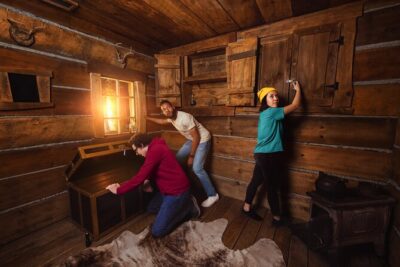
The Escape Game San Antonio: Epic 60-Minute Adventures at The Rim
Read our review →
Browse the lists this game appears in