
Review · BRUGES
Discover the secrets of Bruges by playing!
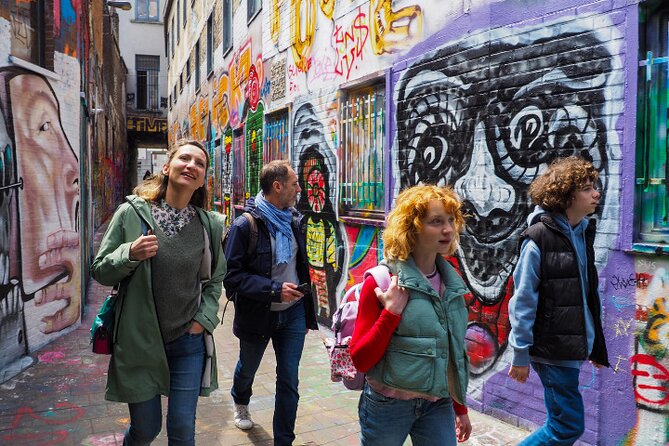
Bruges rewards curious walkers. This smartphone game turns the city center into a playful trail, sending you through famous sights and less obvious corners while a virtual character sets more than 20 missions. I like the private format for small groups, and I like that the riddles add purpose to a sightseeing walk. The main catch is that you need your own charged smartphone, and the game is offered in English only.
At $29.79 per group of up to six, the price is appealing if you fill the team. You can try to finish in two hours or take your time, which helps families and mixed-age groups. Still, this is not a guided tour with a person beside you, so anyone wanting detailed answers or constant historical commentary may prefer a traditional guide.
Key points at a glance
- More than 20 missions turn Bruges sightseeing into a team puzzle rather than a simple walk.
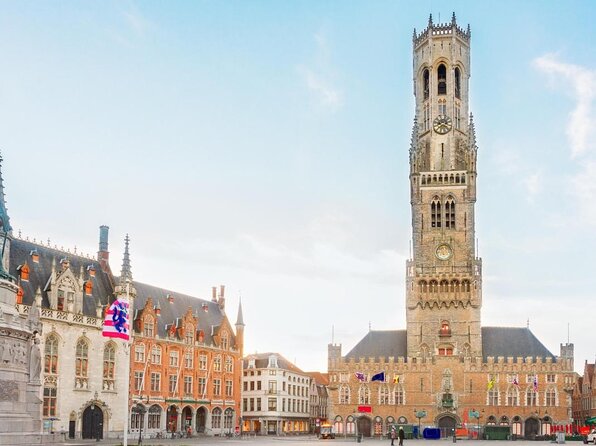
- Four major stops include Rozenhoedkaai, the Belfort, the Beguinage, and Onze-Lieve-Vrouwekerk.
- A private game for 2 to 6 people lets your group set its own pace without sharing the activity with strangers.
- The route mixes famous sights with quieter city corners, giving you more than a standard postcard circuit.
- The game includes historical anecdotes and photos, with a summary of your adventure at the end.
- A three-year validity period and free cancellation up to 24 hours ahead make the booking flexible.
Bruges becomes your puzzle board
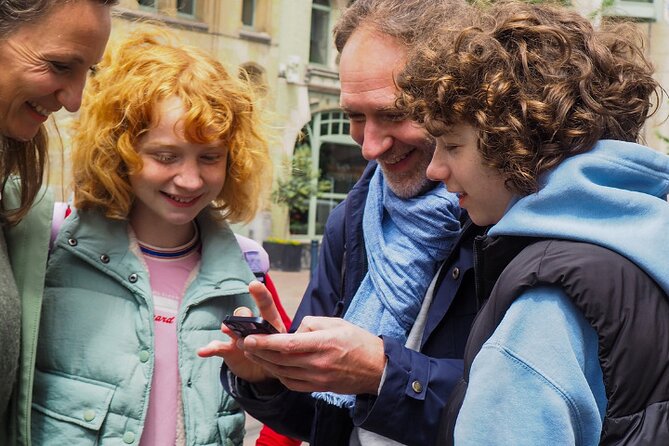
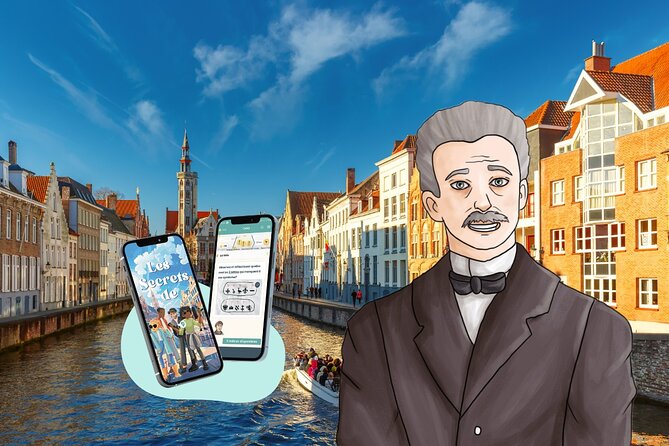
This experience gives you a different way to meet Bruges. Instead of following a guide from one landmark to the next, you use your smartphone to answer riddles, inspect your surroundings, and complete missions as a team.
A curious virtual character accompanies you through the game. The character sends challenges that ask you to look closely at monuments, facades, and street scenes. You may need to notice a small detail, connect a clue to a place, or work out an answer from the setting around you.
That format matters in Bruges. The center is compact, handsome, and full of visual details. A normal walk can sometimes become a procession of quick photographs. The game gives you a reason to pause. It also rewards the habit that makes city touring better: look up, read the building, check the corner, and notice what is easy to miss.
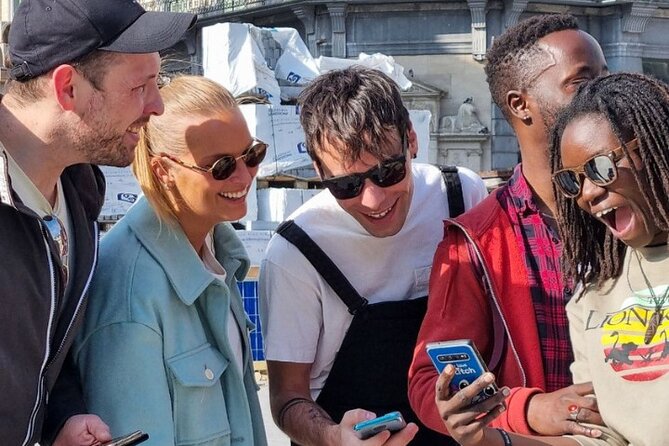
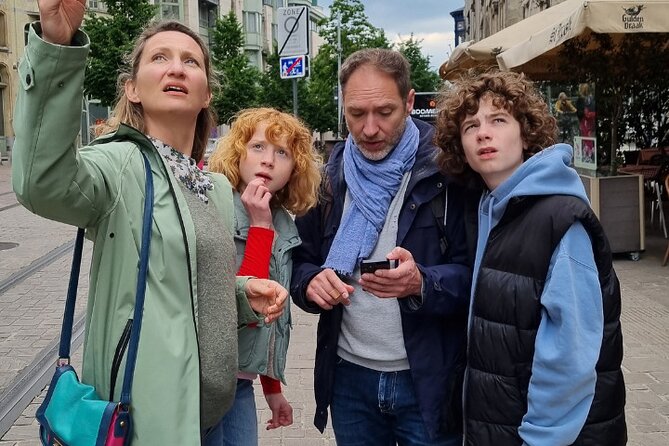
The activity is designed for teams of two to six players. That is a useful size. Two people can solve clues together, while a family or group of friends can divide the work. With six, you may need to keep everyone involved, since some people naturally take over a puzzle. The private setup means your group does not need to match the rhythm of another party.
Other games people play around Belgium:
- Escape Hunt Brussels, Escape Game
★ 5.0 · 103 reviews - e-Scavenger hunt Antwerp: Explore the city at your own pace
★ 4.5 · 67 reviews - e-Scavenger hunt Bruges: Explore the city at your own pace
★ 4.5 · 58 reviews
Why the price works best for a full group
The advertised price is $29.79 per group, not per person, for up to six players. At the maximum group size, that works out to less than $5 per person. Even with two players, it remains a fairly modest cost for about two hours of activity in central Bruges.
The value comes from combining three things: a self-guided city walk, a set of puzzles, and historical notes about the places you visit. You are not paying for a live guide, meals, entry tickets, or transport. That keeps the price low, but it also sets the right expectation. This is an interactive walking game, not a full history lesson.
I especially like the pricing for families. A standard private tour can become expensive once several people join. Here, the group fee lets parents and children share one activity without paying a separate charge for each participant. The game is described as accessible to the whole family, and its missions add a clear goal for children who might otherwise tire during sightseeing.
The price is less attractive if you want expert interpretation at every stop. The experience gives you anecdotes and prompts, but your group does the solving. Think of it as a structured way to explore, not a substitute for a specialist guide.
Jan van Eyckplein: setting off with a mission
The starting point is Jan van Eyckplein, in the historic center of Bruges. This puts you in a fitting place to begin a city game, since the route quickly moves into streets and squares where architecture does much of the talking.
You receive confirmation at booking and play through a mobile ticket. Before starting, check that your phone is charged and that everyone knows who will carry the device. The smartphone and its battery are not included, so this small bit of preparation is your responsibility.
You can play any day from Monday through Sunday during the stated operating window of midnight to 11:30 p.m. The advertised activity period runs from March 3, 2021, through March 22, 2027. Since the game is self-paced, you have room to choose a time that suits your wider day in Bruges.
The game takes about two hours, but you do not have to race. You can challenge your team to complete the route in that time, or slow down and allow more time for photographs and sightseeing. The flexible timing is one of the better features for families and groups with different walking speeds.
Rozenhoedkaai: Bruges at its most recognizable
The first listed stop is Quai du Rosaire, also called Rozenhoedkaai. This is one of Bruges most familiar waterfront views, where canals, historic buildings, and the city’s old character come together in a single scene.
A puzzle here changes how you use the view. Rather than simply stopping for the usual photograph, you will investigate the surroundings for clues. The mission may encourage you to inspect a facade or connect a visual detail with an anecdote about the city.
This is also a good early test of how your group works. One person may focus on the phone, another may scan the buildings, and another may remember details from the instructions. The activity rewards cooperation more than speed.
The drawback is that this area can attract plenty of attention from people taking photographs. The game remains private, but the public setting is not reserved for your group. If you pause to solve a clue, be aware of foot traffic and keep the phone secure.
Same place, a different puzzle:
- Bruges Scavenger Hunt and Highlights Self Guided Audio Tour
★ 4.0 · 54 reviews - e-Scavenger hunt Ghent: Explore the city at your own pace
★ 4.5 · 41 reviews - Beer Tasting and Scavenger Hunt in Brussels – About 3 Hours
★ 4.5 · 35 reviews - e-Scavenger hunt Mechelen: Explore the city at your own pace
★ 4.0 · 34 reviews
Belfort: a landmark with a clear sense of place
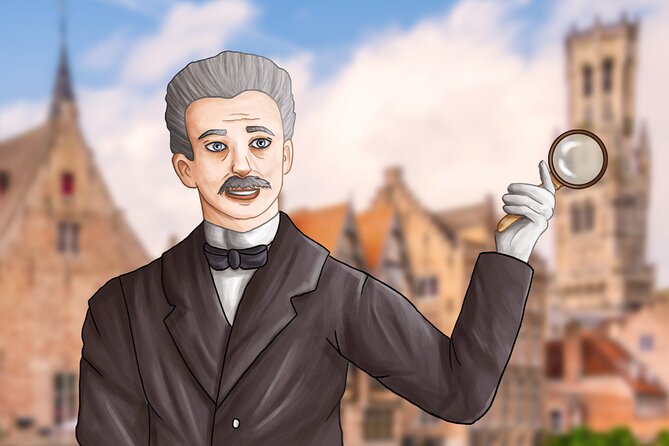
The route continues to the Belfort, Bruges celebrated bell tower. Its height and central location make it one of the city’s easiest landmarks to recognize, but the game gives you more reason to stop than simply pointing a camera upward.
The Belfort section works well for players who enjoy facts in small portions. You receive historical information alongside a riddle, so the monument becomes part of a task rather than a brief visual stop. You are encouraged to connect what you read with what you see.
This approach suits people who prefer active sightseeing. You may remember a short anecdote better because you had to use it to solve a problem. The game also keeps the pace moving, which is helpful if your group has limited time in Bruges.
Do not expect this activity to include entry to the tower. The supplied details list the Belfort as a stop, but they do not include an admission ticket or a climb. If you want to go inside, treat that as a separate plan and allow extra time beyond the two-hour game.
The Beguinage: a quieter change of mood
The Princely Beguinage Ten Wijngaarde brings a different feel to the route. After the best-known city scenes, this stop takes you toward a calmer and more reflective part of Bruges.
The game uses the Beguinage as a place for observation and discovery. Its quieter setting gives you room to solve a clue without the same visual pressure you may find around a major landmark. You might notice details here that would pass by during a fast city walk.
This is where the activity’s balance between famous and less familiar places becomes useful. You still visit a major Bruges sight, but the route does not stay only on the most photographed streets. The riddles help you pay attention to the setting, while the historical anecdotes give a little context without turning the outing into a lecture.
Please remember that this is still a shared public place, not a private game room. Keep voices moderate and follow any local rules while you work through the mission. The activity lets you play privately as a group, but it does not give you exclusive use of the places along the route.
Onze-Lieve-Vrouwekerk: architecture with a question attached
The final listed stop is Onze-Lieve-Vrouwekerk, the Church of Our Lady. Its scale and architecture give the route a strong closing point, and the church provides another setting where careful observation matters.
The mission here asks you to engage with the building rather than simply pass it. Historical notes and riddles encourage you to look at the church as part of Bruges story, not just as another item on a sightseeing checklist.
As with the Belfort, the information provided does not include an interior admission ticket. You should treat the church as a stop on the outdoor game route unless your booking instructions state otherwise. If entering the church matters to you, check its access arrangements separately and leave extra time.
The activity ends back at the meeting point. That makes the route easier to manage, especially if you have dinner, transport, or another reservation afterward. It also gives the experience a tidy shape: begin in the city center, work through the missions, and return to where you started.
What the missions add to a normal city walk
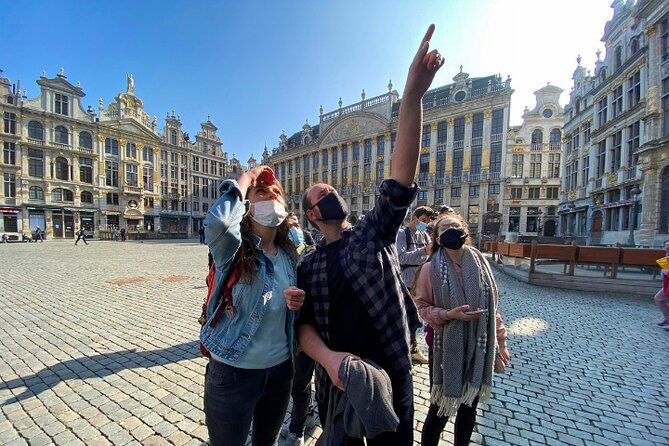
The strongest part of the game is its use of puzzles as a sightseeing tool. You are not solving abstract riddles in isolation. You investigate the places around you, which means the city supplies the clues.
The missions also change the group dynamic. A regular walking tour usually asks you to listen. Here, you discuss, compare observations, and make a decision together. That can be more engaging for children and teenagers, and it gives adults a reason to stay alert.
The game is not described as a race, so you can choose your own tone. Competitive groups can aim for a two-hour finish. Others can stop for photographs, take a break, or move at a relaxed pace. That freedom is useful, but it also means your group must manage its own time.
The educational side is intentionally light. You receive historical anecdotes about monuments and facades, not a long academic account of Bruges. I see that as a benefit for a short city activity, though history fans may want a museum visit or live guide as well.
Practical details before you book
You need a smartphone to play, and the phone battery is not supplied. Bring a fully charged device and, if you have one, a portable charger. The experience is offered in English, so make sure everyone in your group can follow English instructions and riddles.
The game includes 24/7 online support. That is useful for a self-guided activity, since you do not have a guide standing nearby to solve a technical problem. Support cannot replace a charged phone or a clear meeting plan, but it gives you help if something goes wrong during play.
Service animals are allowed, and the activity is near public transportation. Most people can participate, according to the supplied access information. The route is a city-center walking activity, so you should still consider your group’s walking comfort and ability to stay together, though no specific distance is provided.
You receive a summary of your adventure with photos at the end of the game. This gives the outing a small sense of closure and provides something to keep after the walk. The game also remains valid for up to three years, which gives you unusual flexibility if your plans change.
Free cancellation is available when you cancel at least 24 hours before the local start time. Cancellations or changes made within 24 hours are not accepted for a refund.
Who will enjoy this Bruges activity most?
I would choose this for friends, couples, and families who want to see Bruges while doing something active. It is especially suitable if your group likes wordplay, observation, and mild competition.
It also works well for people who dislike fixed tour schedules. You can play at your own pace, and the private format means you do not need to keep up with an unrelated group. The three-year validity adds another layer of flexibility.
I would be more cautious if you want a guide to explain every monument in detail. The virtual character provides the structure, but your team handles the investigation. Visitors looking for a quiet, unhurried architectural walk may also find the missions more work than they want.
For families, the game offers a useful middle ground. It is more purposeful than wandering, but less formal than a lecture. The feedback attached to the activity praised its accessible length, family-friendly design, historical notes, and the need to pay attention to small details. Those are fair descriptions of where the experience gets its appeal.
Should you book it?
Book this Bruges game if you want a low-cost private activity that mixes city sights with puzzles. The best value comes when four to six people share the $29.79 group price, and the format suits anyone who enjoys solving clues while walking.
Skip it if you want a live expert guide, a meal, or included entrance tickets. For everyone else, it is a smart way to give a familiar Bruges route a little more purpose. Charge your phone, meet at Jan van Eyckplein, and be ready to look closely. The city will provide the scenery, but your group has to do the thinking.
FAQ
Where does the Bruges game start?
The activity starts at Jan van Eyckplein, 8000 Brugge, Belgium.
Where does the activity finish?
The activity ends back at the meeting point.
How long does the game take?
It takes approximately two hours. You can try to finish in two hours or play at your own pace.
How many people can join?
The game is designed for teams of two to six players, and only your private group participates.
What language is the activity offered in?
The activity is offered in English.
Do I need to bring a smartphone?
Yes. You play the game on a smartphone, and the smartphone and its battery are not included.
What sights are included on the route?
The listed stops are Rozenhoedkaai, the Belfort, the Princely Beguinage Ten Wijngaarde, and Onze-Lieve-Vrouwekerk.
Is food or drink included?
No. Food and drink are not included.
Is online help available during the experience?
Yes. The activity includes 24/7 online support.
Can I cancel for a full refund?
Yes, if you cancel at least 24 hours before the experience start time. Cancellations or changes made less than 24 hours before the start time are not refunded or accepted.
Just added around Belgium
- Discover the secrets of Mechelen while playing! Escape room★ 4.0 · 6 reviews
- Discover Mechelen while escaping the zombies! Escape room★ 4.0 · 3 reviews
- Discover Mechelen while playing! Escape game – The Walter case★ 3.5 · 2 reviews
- Discover Namur while playing! Escape game – The Walter case★ 4.5 · 2 reviews
- Discover Liège while playing! Escape game – The Walter case★ 4.5 · 5 reviews
- Namur: Escape Game in the city – The Alchemist★ 4.0 · 5 reviews
- e-Scavenger hunt Namur: Explore the city at your own pace★ 3.5 · 5 reviews
- Cork: Magic Themed Escape Game in Town★ 4.5 · 2 reviews
Belgium Escape Games, compared.

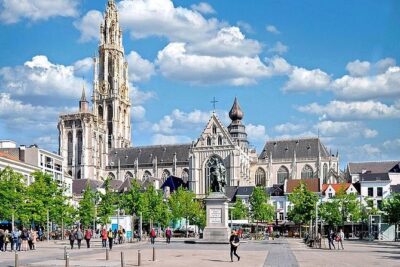
e-Scavenger hunt Antwerp: Explore the city at your own pace
Read our review →
e-Scavenger hunt Bruges: Explore the city at your own pace
Read our review →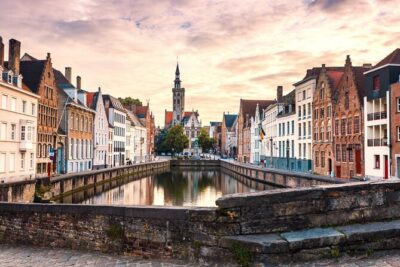
Bruges Scavenger Hunt and Highlights Self Guided Audio Tour
Read our review →

Beer Tasting and Scavenger Hunt in Brussels – About 3 Hours
Read our review →
e-Scavenger hunt Mechelen: Explore the city at your own pace
Read our review →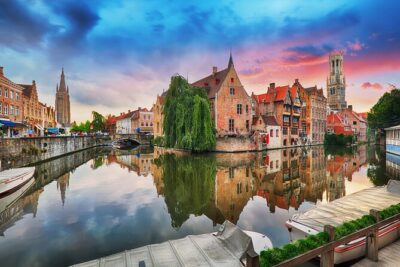
Romantic Bruges: Love Between the Canals Exploration Game
Read our review →Browse the lists this game appears in