
Review · LAZIO
Mostra Leonardo Da Vinci: Rome Treasure Hunt Game
Rome becomes a game here. This experience uses a tablet, clues, photos, and points to turn the city center into an active history lesson. I especially like the flexible route, which lets you choose between sights such as Piazza Navona, the Pantheon, Campo dei Fiori, the Spanish Steps, the Forum, and the Colosseum. I also like that your museum visit is part of the puzzle, not just an add-on.
The main drawback is simple: three hours can feel short if you want to solve many clues, visit several major sights, and study the Leonardo da Vinci exhibition. The tablet system may also take a few minutes to understand, especially the map and photo functions. For families with children, though, that small learning curve is usually worth it.
At $53 per person, this is not the cheapest way to walk around Rome. You are paying for museum admission, a private family activity, and a structured route through the center rather than a standard guided tour. It works best when you want your children or teenagers to keep moving, asking questions, and looking closely at the city.
Key points at a glance
- Your tablet becomes the guide: Follow clues, answer questions, earn points, and choose which city stops interest you most.
- The route begins and ends at the Leonardo da Vinci exhibition: You return to the museum for the final riddle and the prize.
- You can build your own Rome walk: The game may lead you toward Piazza Navona, the Pantheon, Campo dei Fiori, the Spanish Steps, the Forum, or the Colosseum.
- Family participation is the real strength: Children ages 10 and 13 enjoyed the format, while younger children may need help with the English wording.
- Museum entry is included: You receive access to the Leonardo da Vinci exhibition, including its displays of inventions and interactive elements.
- Plan for walking and weather: The activity runs rain or shine, and you do not need to answer every question if your group is getting tired.
Starting at the Leonardo da Vinci exhibition
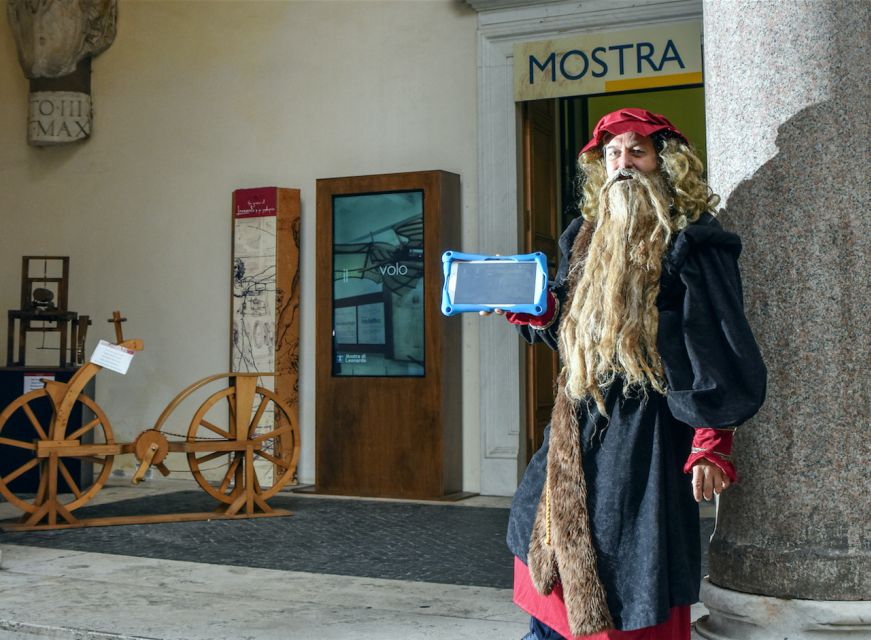
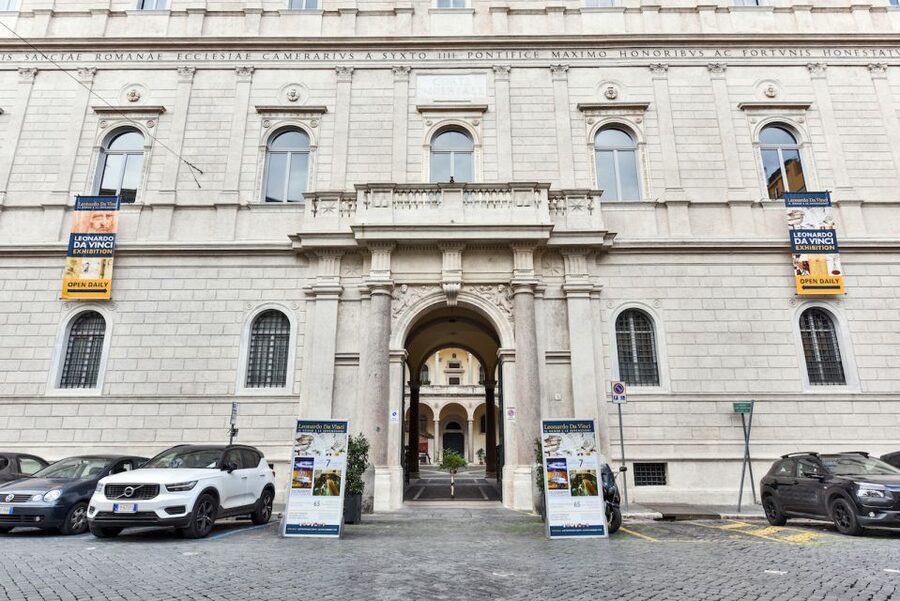
You begin at Mostra Leonardo da Vinci, at Piazza della Cancelleria 1, close to Campo dei Fiori and Piazza Navona. Go to the ticket counter, show your voucher and passport or identity card, and collect the tablet and interactive city map.
The museum is important to the structure of the activity. This is not simply a city scavenger hunt that happens to include a museum ticket. The exhibition provides the opening and closing chapters. You start by getting familiar with Leonardo’s ideas, then head into Rome to solve questions and collect clues, and finally return to the museum for the last riddle.
The tablet is provided at one per family, not one per person. That arrangement is fine for a parent and children who want to work together. It may feel less convenient if everyone in a larger family wants to make choices at the same time.
The museum staff have received warm praise for being kind and patient. That matters because the outdoor game is not entirely self-explanatory at first. Before leaving, ask the staff to show you how to locate your position on the map, open the next challenge, save photographs, and enter answers. A few minutes of instruction at the start can save frustration later.
More Treasure Hunts in Italy
- Florence Self-Guided Treasure Hunt & Medici Mystery Walking Tour
★ 5.0 · 69 reviews - Best of Florence Treasure Hunt Tour for Kids & Families
★ 5.0 · 44 reviews - Naples: The Path of the Immortals Treasure Hunt Walking Tour
★ 4.1 · 42 reviews
Choosing your route through central Rome
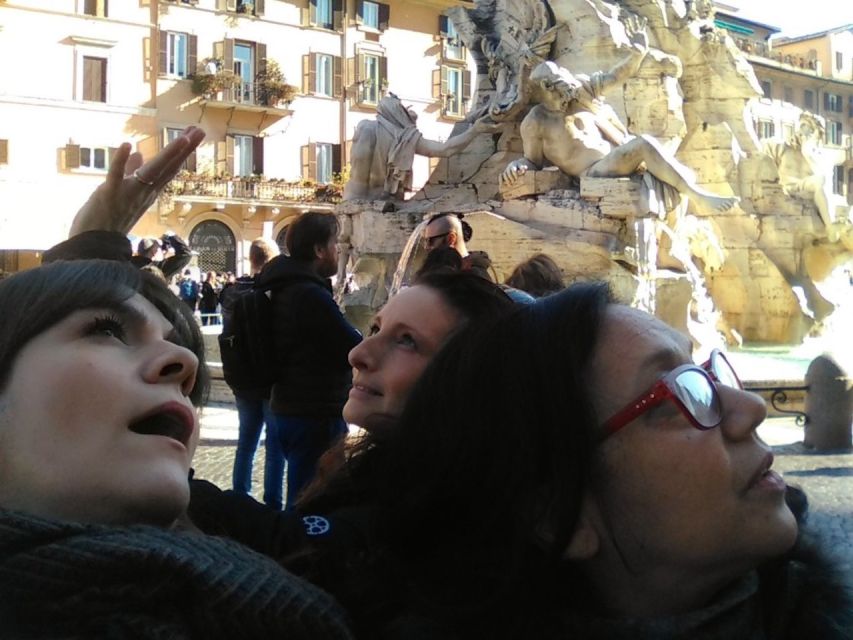
The game does not force you into one fixed procession of sights. You choose the points that seem most interesting, using the map and the clues to guide your walk. That freedom is one of the best features of the experience.
You might focus on the area around Campo dei Fiori and Piazza Navona. This keeps the activity fairly compact and gives you time to examine streets, fountains, buildings, and public art without racing. You might also choose a longer route toward the Pantheon, the Spanish Steps, the Forum, or the Colosseum.
The important point is that these sights are options, not guaranteed stops in a set order. If you want to see every listed location and answer every question, you may need more than three hours. One family found the experience so engaging that they wanted a full day for it, while another group chose to stop after roughly three hours and spend more time inside the museum.
I like this flexibility because Rome rarely rewards a rigid schedule. You can follow the route that fits your family’s energy and interests. If your children are tiring, solve fewer challenges and return to the museum. If they are still eager, keep collecting points and clues.
What the outdoor challenges add to Rome
The city portion mixes sightseeing with questions about Rome. You stop at selected points, read information, look for details, answer prompts, and sometimes take photographs. The game gives you a reason to inspect things you might otherwise pass without noticing.
One challenge involves creating your own living sculptures beside original sculptures. That is a small but clever idea. Children do not just look at public art from a distance. They pose, compare shapes, and use the tablet camera to record the moment.
The questions also give your walk a purpose. Instead of telling children to admire another fountain or ancient wall, you can ask them to search for a clue and earn points. The format works particularly well for families who have already seen Rome’s major sights and want a fresh way to explore familiar ground.
You do not need to complete every task. This is useful in a city where crowds, heat, traffic, and tired feet can quickly change your plans. The game rewards effort, but the staff still provide the prize even if your score is not perfect. That takes away the pressure and keeps the activity playful.
The sights you may reach
Same place, a different puzzle:
- Open Air Escape Game in Villa Borghese !
★ 4.5 · 145 reviews - Angels & Demons Rome Scavenger Hunt: The Illuminati Escape Game
★ 4.5 · 103 reviews - Open Air Escape Game – TRASTEVERE REVOLUTION
★ 4.5 · 89 reviews - Rome: 2.5-Hour Family Vatican Highlight Scavenger Hunt
★ 4.6 · 51 reviews
Piazza Navona and Campo dei Fiori
The starting point is well placed for two of central Rome’s most useful areas. Campo dei Fiori brings you close to market life and everyday street activity, while Piazza Navona offers grand fountains, open space, and some of the city’s most recognizable Baroque architecture.
A family using the game happened upon a pleasant Italian market while walking between challenges. That is exactly the kind of small accident this format allows. You are given a goal, but the route still leaves room for Rome to surprise you.
The Pantheon
The Pantheon may appear as one of the selected points on your map. If it does, your group gets a chance to connect the questions with one of Rome’s most famous ancient buildings. The game can help children focus on details rather than treating the stop as another quick photograph.
The attraction itself is not included in the activity price. The experience includes entry to the Leonardo da Vinci exhibition, but not admission to the Colosseum, the Pantheon, the Forum, or other paid sites. Keep that distinction in mind when you plan your budget.
The Spanish Steps
The Spanish Steps can extend your walk north through the center. This route may suit families who want to cover more ground and see a wider range of central Rome. It also requires more walking, so think about your children’s stamina before choosing every available point.
You are not locked into visiting all the stops. The game is at its best when you use the choices to make a manageable route rather than treating the map like a checklist.
The Forum and Colosseum
The Forum and Colosseum offer the most ambitious options on the map. Reaching them may make the activity feel like a full city tour, but it also increases the distance and time required. You should not assume that the three-and-a-half-hour booking gives you enough time to explore each major sight in depth.
The game guides you through public areas and questions. It does not include entry to these attractions, and it is not a substitute for a dedicated Colosseum or Forum tour. If those ancient sites are the main reason you came to Rome, book the appropriate admission separately and treat this activity as a playful city walk.
Returning to the museum for Leonardo’s final riddle
The clues collected outdoors matter when you return to Mostra Leonardo da Vinci. The final puzzle takes place inside the exhibition, where you use what you have learned during the walk to solve the riddle.
This return gives the activity a satisfying shape. You are not simply leaving the museum, completing random tasks, and ending wherever your feet stop. The game sends you back to the beginning, where the clues and Leonardo’s ideas come together.
The museum itself was the favorite part for some families. Children particularly enjoyed seeing Leonardo’s inventions and interacting with the displays. If your group becomes more interested in the exhibition than the city game, you can shorten the outdoor portion and spend your remaining time inside.
The special prize is tied to solving the final riddle, but the staff are also willing to give children a prize even when they do not solve everything. That is a good approach for younger children, who may enjoy the search more than the scoring.
How the tablet works, and where it can frustrate you
The tablet is the engine of the experience. It shows the map, presents the questions, records answers, handles photographs, and helps you choose your next point.
The technology is useful, but do not expect instant clarity. Some families needed time to understand how to see their location on the map and how to save photos before moving to the next challenge. A tablet case also partially obscured photographs for one group, so check the screen and camera framing before you begin.
Here is how I would start:
- Ask the staff to demonstrate the map and the answer screen.
- Take one test photograph and make sure it is saved correctly.
- Confirm that the tablet camera is not blocked by its case.
- Check that everyone understands how points and clues work.
- Decide how far your family wants to walk before selecting distant stops.
The tablet is supplied as one device per family. That encourages teamwork, but one adult may end up carrying it, reading instructions, and managing photographs while children answer questions. Share those jobs so the activity feels like a group game rather than a parent’s technical assignment.
Is $53 per person a fair price?
At $53 per person, the cost is reasonable only if you value the full package. You receive admission to the Leonardo da Vinci exhibition, the tablet rental, the interactive map, and a private group activity lasting about three and a half hours.
It is not a bargain for a simple walk around Rome. You can visit many public areas of central Rome without paying an activity fee. You also need to budget separately for food, drinks, hotel transfers, and entry to attractions such as the Colosseum or Pantheon if you choose to visit them.
The value improves for families who would otherwise pay for a children’s tour or struggle to keep young people interested in a long city walk. The game gives children a job, and it lets adults see Rome without constantly inventing the next activity.
For two adults, the value is less obvious. You may enjoy the unusual route and the museum, but the game is designed most clearly for families with children or teenagers. If you prefer a guide who explains Rome in person, this is not the right format.
Who should book this experience?
I would choose this for families with children roughly in the school-age range through the teenage years. Children who enjoy puzzles, maps, photographs, and friendly competition should respond well to it. The format also worked for a 7-year-old when adults helped with the clues.
English instructions may be too complicated for some 8 to 10-year-olds to read alone. Parents should expect to translate, explain, or read parts of the game aloud. Teenagers can often handle more of the tablet work themselves, while younger children may prefer the photo challenges and the hunt for visual clues.
This also suits families who have already visited Rome’s biggest sights. You can use the game to look at less obvious details and make the city center feel new again. It is less suitable for anyone who wants a calm museum visit, a fully narrated tour, or a guaranteed route through every major monument.
The activity is wheelchair accessible, but the information provided does not describe the surface or access conditions at every city stop. If you need specific route details, ask the provider before booking.
Timing, weather, and practical planning
The advertised duration is three and a half hours, with about three hours devoted to the self-guided city portion. Starting times depend on availability. You return to the same museum where you began.
The activity operates rain or shine. Bring suitable clothing and comfortable shoes, and keep your route realistic if the forecast is poor. Because you select the stops, you can make the walk shorter, but you should not expect the game to become an indoor activity during bad weather.
There is no hotel pickup or drop-off. Food and drinks are also not included, so plan a snack or meal around your route. The central location near Campo dei Fiori and Piazza Navona gives you plenty of chances to pause, but the experience itself does not provide refreshments.
The host or greeter can assist in Italian, English, German, French, Spanish, or Russian. The activity is set up as a private group, which means your family can make its own choices instead of joining strangers on a fixed walking tour.
Free cancellation is available up to 24 hours before the start time, and you can reserve now and pay later. One family also received help changing its booking to the following day when tired children could not manage the original plan. That kind of flexibility is useful, but you should still contact the provider as early as possible if your plans change.
Should you book the Rome treasure hunt?
Book it if you want a family-friendly way to connect the Leonardo da Vinci museum with the streets of Rome. The strongest reasons are the flexible route, the photo tasks, the chance to earn clues, and the way the game keeps children involved while adults see central sights.
Skip it if you want a traditional guide, a short activity with little walking, or admission to the Colosseum and other major attractions. The tablet takes some learning, and three hours may not be enough for every stop.
For most families, I would plan a focused route rather than chasing every point. Start with the museum, choose nearby locations first, leave time for the final riddle, and treat the prize as a bonus. At its best, this experience turns Rome from a list of monuments into a shared family challenge.
FAQ
Where does the treasure hunt begin?
It begins at the ticket counter of Mostra Leonardo da Vinci at Piazza della Cancelleria 1, near Campo dei Fiori and Piazza Navona.
Where does the experience end?
The treasure hunt ends back at Mostra Leonardo da Vinci, where you return for the final riddle inside the exhibition.
How long does the activity last?
The total duration is about three and a half hours. The self-guided city portion takes about three hours, depending on how many challenges and sights you choose.
Is museum admission included?
Yes. Entry to Mostra Leonardo da Vinci is included in the activity.
Is admission to the Colosseum or Pantheon included?
No. Entry to other attractions is not included. The price covers the Leonardo da Vinci exhibition, but not admission to Rome’s other paid sights.
Do I receive a tablet?
Yes. The treasure hunt includes tablet rental and an interactive city map. One tablet is provided per family.
Can I choose which parts of Rome to visit?
Yes. You choose the route and can select points including the Colosseum, Spanish Steps, Piazza Navona, Campo dei Fiori, the Pantheon, and the Roman Forum.
Is the activity suitable for children?
Yes. It is designed to appeal to families, although younger children may need help understanding the English clues and instructions.
What happens if it rains?
The activity takes place rain or shine. You should bring suitable clothing and plan your route with the weather and walking distance in mind.
Just added around Italy
- Verona Scavenger Hunt and Highlights Self Guided Tour★ 4.0 · 17 reviews
- Verona Scavenger Hunt and Highlights Self Guided Audio Tour★ 4.5 · 7 reviews
- Venice Highlights Self Guided Scavenger Hunt and Walking Tour★ 4.0 · 6 reviews
- Carnival Treasure Hunt & Mask Painting Workshop★ 4.5 · 7 reviews
- Venice Cannaregio Scavenger Hunt and Sights Self-Guided Tour★ 3.5 · 3 reviews
- Venice: Casanova Charm Carnival Treasure Hunt★ 4.5 · 9 reviews
- Turin Scavenger Hunt and Sights Self-Guided Tour★ 5.0 · 2 reviews
- Ghosts of Turin: Hidden Spell Exploration Game★ 3.5 · 8 reviews
Treasure Hunts, compared.


Fun, Flexible Treasure Hunt Around Manchester with Cryptic Clues & Hidden Gems
Read our review →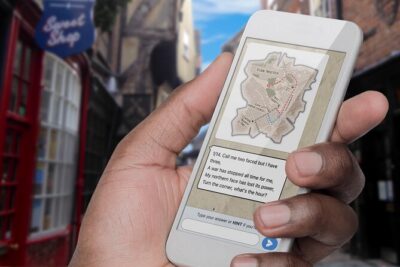
Fun, Flexible Treasure Hunt Around York with Cryptic Clues & Hidden Gems
Read our review →
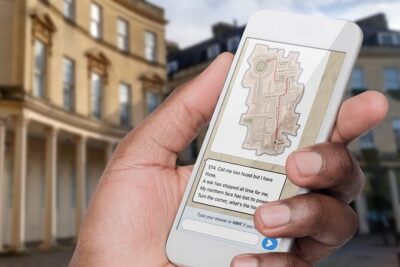
Fun, Flexible Treasure Hunt Around Bath with Cryptic Clues & Hidden Gems
Read our review →York Treasure Hunt Adventure: The Mystery of The Gunpowder Snitch
Read our review →
Fun, Flexible Treasure Hunt Around Oxford with Cryptic Clues & Hidden Gems
Read our review →Browse the lists this game appears in