
Review · COPENHAGEN
SHERLOCK Escape Room
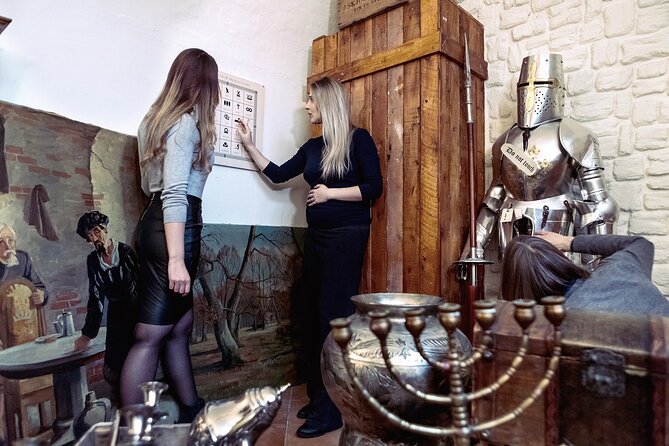
Sherlock needs your team, not just your brain. This Copenhagen escape room puts you in the role of British agents in 1902, with a mission to enter Colonel Holtenberg’s estate and recover secret photographs tied to Prince Edward VI. I especially like the two-room setup, which forces teams to communicate through walls, and the unusually generous 120-minute game. The main drawback is clear: the puzzles can be hard, and the $685.63 group price only makes strong sense if you bring a sizable team.
The experience has a lively theatrical start, atmospheric rooms, and a game master who gives hints when your group hits a wall. Guides including Ada, Mia, Poppy, Roxanne, Ian, and Bastian have all been praised for helping set the mood. Children can participate with an adult, and an 11-year-old and a 14-year-old were reported to have loved it, but this is not a passive family attraction. You need to talk, search, think, and keep moving.
Key points to know before booking
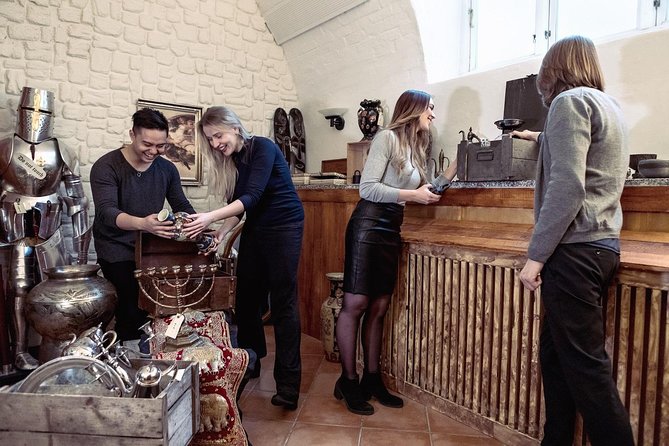
- The story begins in 1902: You play British agents trying to enter a Danish colonel’s estate and find secret royal photographs.
- You get 120 minutes inside the game: That is longer than a standard escape room, giving your team more time to work through difficult clues.
- Communication is part of the puzzle: Larger groups may begin in separate rooms and must describe objects and clues to one another.
- The room suits six to twelve people: Four people can attempt it, but the split-room design becomes tougher with too few players.
- The opening uses theatrical staff: Costumed actors and game masters help establish the story before the puzzle work begins.
- The price favors groups: At $685.63 for up to 12 people, the per-person cost drops sharply when the room is full.
A Sherlock mission with a clear Copenhagen setting

The game starts at Aldersrogade 6A in Copenhagen, where your private group receives its assignment. You are not simply handed a padlock and a timer. The setup places you in the world of British agents, Danish authority, royal secrets, and a risky break-in at Colonel Holtenberg’s estate.
The central mission is simple enough to grasp quickly: find the secret photographs connected with Prince Edward VI. That clarity helps. You know what you are trying to achieve, even as the route to the answer becomes increasingly tangled.
The staff play an important part here. The experience has used costumed actor instructors to set the scene, and that theatrical opening gives the game more character than a room full of anonymous combination locks. Ada, Mia, Roxanne, Poppy, Ian, and Bastian are among the staff members praised for their introductions, acting, or guidance.
You should expect some playful role-playing before the serious puzzle work begins. If you enjoy a little drama with your problem solving, this is a strength. If you prefer a pure logic contest with no performance, the opening may feel like extra seasoning.
More Sherlock Holmes Games in Copenhagen:
- London: Sherlock Escape Rooms
★ 4.7 · 42 reviews - Sherlock Studies 75-Minute Escape Room
★ 5.0 · 21 reviews - Trier Self Guided Sherlock Holmes Murder Mystery Game
★ 4.0 · 9 reviews
Why the 120-minute format matters
Most escape rooms ask you to think quickly. This one gives you about two hours for the actual mystery, with the full visit lasting approximately two and a half hours. That extra time changes the mood.
You still feel pressure, but you have more room to test ideas, share information, and recover from a wrong turn. Several groups have described the puzzles as challenging, and one team finished with only 24 seconds left. That is the kind of ending that gives an escape room its best burst of adrenaline.
The longer clock does not make the game easy. It lets the designers include more stages and more demanding tasks. One group described needing several hints, while still praising the props, acting, and overall construction. You should not treat the extra hour as a guarantee that you will finish without help.
The game master can offer clues during the operation. The most useful guidance appears to be measured rather than constant. Ian was praised for giving just enough help for a family group to succeed, while Poppy was praised for helping a team keep going and even allowing a little extra time.
That support is valuable for first-timers. You can ask for help without feeling that the entire game has been solved for you. Still, the exact amount of help may depend on the host and your group’s approach, so do not expect every hint to arrive at the same moment.
The two-room challenge changes the teamwork
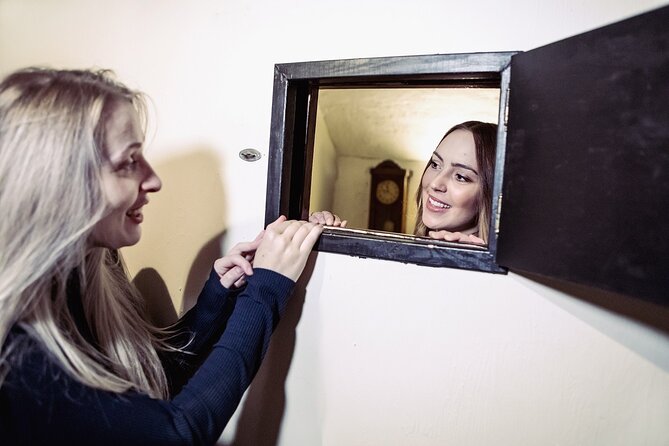
The most distinctive feature is the use of separate rooms at the beginning. Large groups may be divided into two teams, with walls between them. You must communicate what you see, where an object is located, and which clues seem connected.
This sounds easy until you are trying to describe a detail that the other team cannot see. A simple item can become a verbal puzzle. You may find yourself saying things such as look beside the cabinet, turn the paper over, or check the symbol near the frame, while your teammates try to match your description with their own clues.
The two-room format gives everyone a job. In a standard room, one or two quick thinkers can dominate the action while others stand around. Here, each side has information the other side needs. Quiet participants have a reason to speak up, and strong puzzle solvers must practice listening.
The groups that enjoyed this most treated communication as part of the game rather than an inconvenience. Large teams praised the need to work separately, then reunite for the final stage. That reunion gives the experience a satisfying change of pace, since information gathered apart must finally come together.
Group size matters a great deal. The room is generally recommended for six to twelve participants. Four people have completed it, but the smaller group had a tougher time because fewer eyes and voices were available in each room. For a company event or family gathering, six to twelve is the safer range.
A full group can also create its own problem. Twelve people talking at once is not efficient. You will do better if someone naturally keeps track of clues, another person checks the physical details, and the rest share discoveries in short, clear bursts.
Puzzles, props, and the right level of difficulty
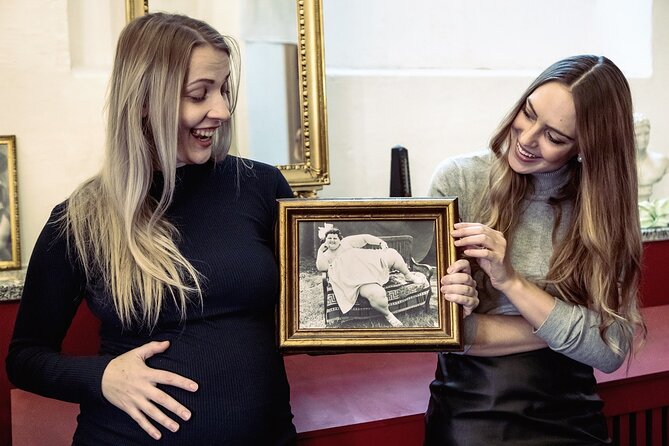
The puzzle design receives strong praise, but the consistent warning is difficulty. You may find the clues clever, well made, and satisfying, yet still need several hints to keep moving.
That is not necessarily a flaw. A good escape room should make you work. The question is whether the challenge feels fair. The available feedback suggests that the puzzles are designed to be solved with help when needed, rather than leaving you stranded with no path forward.
The physical setting also matters. Groups have praised the props and atmosphere, along with the professional look of the rooms. The Sherlock theme is not just a name on the booking page. The period setting, costumed staff, and spy mission help the clues feel connected to the story.
You should pay attention to everything. The best escape-room habit is to inspect objects carefully, explain discoveries out loud, and avoid assuming that an item is only decoration. At the same time, do not tear through the room without listening to instructions. The game master is there to keep the experience moving, not merely to watch the clock.
This is a room for people who enjoy being challenged. If your group becomes frustrated after one difficult clue, the session may feel demanding. If you enjoy the moment when several small details suddenly fit together, you will likely appreciate the design.
More Escape Rooms in Copenhagen:
- Da Vinci Escape Room
★ 5.0 · 344 reviews - Outbreak Escape Room
★ 5.0 · 122 reviews - Downfall Spy Mission (Premium Private Escape Room)
★ 5.0 · 79 reviews - Copenhagen: King’s Garden Outdoor Escape Room Game
★ 3.0 · 16 reviews
Family appeal, team building, and first-time players
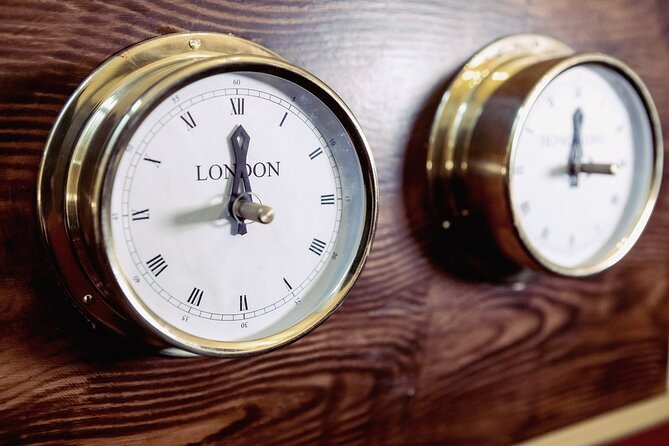
This is a good choice for a mixed group, provided everyone understands the activity. Children must be accompanied by an adult, and the experience is described as suitable for most participants. An 11-year-old and a 14-year-old enjoyed it with their family, which suggests that older children can take an active role.
The younger members of your party may be especially useful during searches and visual puzzles. Adults should not assume that they will solve everything faster. Escape rooms reward patience, observation, and communication more than age.
The experience also works well for team building. Several groups used it for work events and valued the way it revealed team habits. You quickly see who takes charge, who notices small details, who explains clearly, and who stays calm when the clock is running down.
That can be useful, but it can also expose poor group dynamics. A loud teammate may take over. A shy teammate may hold back a useful clue. You will get more from the experience if everyone agrees to share discoveries and let different people lead different puzzles.
The two-room design is particularly useful for team building because it prevents one person from seeing the whole situation. You must trust information from the other side. That makes the game more than a test of individual cleverness.
First-time players are welcome, but I would explain the format before arriving. You are not just looking for clues in one room. You may need to separate, communicate, regroup, and finish the mission together.
The game master can make or break the session

The host is central to this experience. The strongest feedback focuses on staff who acted well, introduced the story clearly, and gave useful hints without taking over.
Poppy received praise for being welcoming and helpful. Ian guided a family with just enough assistance to reach the finish. Ada was singled out for her role, while Bastian was praised for professional delivery and a high level of atmosphere. These details matter because an escape room can have fine puzzles and still feel flat if the host rushes the introduction or handles hints poorly.
There was also some criticism that staff could have been more accommodating. That is worth keeping in mind. The overall experience depends partly on the person assigned to your group, so expectations should be practical. You are booking a hosted game, not a private theatre performance tailored to every preference.
The costume and acting are still meaningful additions. They make the opening more memorable and give your team a reason to care about the mission before the first clue appears. Just remember that the heart of the experience is teamwork and puzzle solving.
Price, group size, and practical value
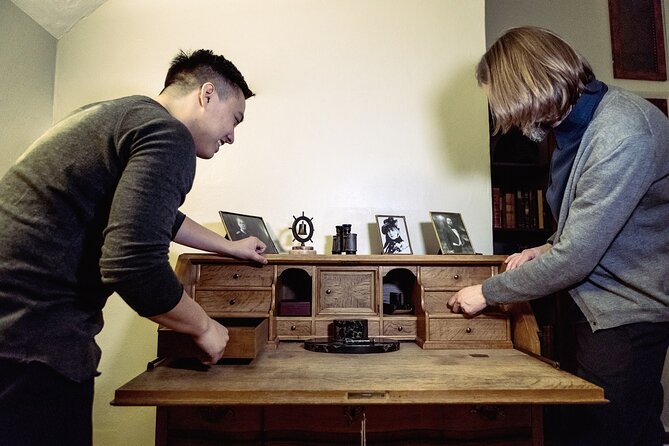
The listed price is $685.63 per private group of up to 12. At the maximum group size, that works out to about $57 per person. With eight people, it is roughly $86 per person. With four, it is about $171 per person.
That math tells you how to judge the value. For a full birthday group, office outing, or extended family gathering, the price is easier to defend because you receive a private 120-minute game, a dedicated game master, and a group photograph for winning teams.
For a small party, the same fixed cost becomes much harder to justify. Four people can play, but the split-room format may also make the puzzles more demanding. If your group is small, compare the per-person cost with other Copenhagen activities before committing.
Alcoholic drinks are available to purchase, but they are not included. Parking costs extra, with street parking listed at DKK 9 per hour. Public transportation is nearby, which is likely the simpler choice for most groups.
You choose a preferred start time when booking, but confirmation is subject to availability and is sent within 48 hours. Do not treat the time as final until the booking is confirmed. Children need an adult with them, and the activity ends back at the starting point.
The booking is non-refundable and cannot be changed for any reason. That makes it especially important to confirm your group size, preferred time, and transport plans before paying.
Who should book Sherlock Escape Room?
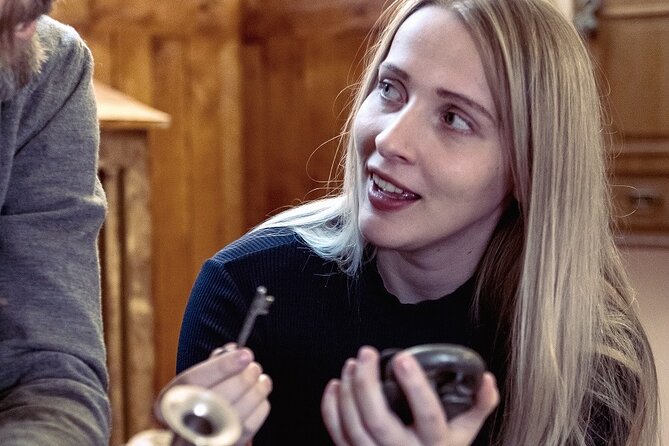
I would choose this for a group of six to twelve people who enjoy puzzles, theatrical storytelling, and a little pressure. It is especially well suited to a team-building afternoon, a family with older children, or friends who want an activity that requires real cooperation.
I would be more cautious with a group of four, unless everyone is comfortable with a difficult challenge and the higher per-person price. I would also skip it if your party dislikes timed games, being split into separate rooms, or asking for hints.
The strongest reasons to book are the two-room communication, the long playing time, and the staff-led story. The main warnings are the hard puzzles, the fixed price, and the strict cancellation terms.
FAQ
Where does the Sherlock Escape Room begin?
It begins at Aldersrogade 6A, 2100 København, Denmark. The activity ends back at the same meeting point.
How long does the experience last?
The total experience lasts approximately two and a half hours. The Sherlock game itself provides 120 minutes of mystery and puzzles.
How many people can join?
The private booking accepts up to 12 people. The room is generally recommended for groups of six to twelve participants.
Can four people play?
Yes, four people can attempt the room. However, the two-room setup may be more difficult with fewer people, since each team has fewer members to search, solve, and communicate.
Are children allowed?
Yes. Children must be accompanied by an adult. The experience has been enjoyed by children aged 11 and 14.
Is the escape room private?
Yes. Only your own group participates in the activity.
Is a game master included?
Yes. A dedicated guide or game master is included, and can provide guidance when your group needs help.
Are drinks and parking included?
Alcoholic drinks are not included, though they can be purchased. Parking is also not included, and street parking is listed at DKK 9 per hour.
Should you book it?
Book it if you want a substantial, story-led escape room with a real teamwork test. Bring six to twelve people, agree that everyone will speak up, and expect the puzzles to push you. That is where the experience earns its price.
Skip it if you want a short, easy attraction or if your group cannot commit to the scheduled time. For the right party, Sherlock offers an energetic Copenhagen evening with clever problems, theatrical staff, and a satisfying final scramble.
Just added around Copenhagen
- Self-guided Treasure Hunt Tour in Copenhagen – Build a Spaceship★ 5.0 · 5 reviews
- Copenhagen Royal Conspiracy Exploration Game and Tour★ 4.5 · 7 reviews
- Copenhagen: Self Guided Scavenger Hunt and Tour★ 4.0 · 3 reviews
- e-Scavenger hunt Copenhagen: Explore the city at your own pace★ 4.0 · 8 reviews
- The Murder by Christiansborg Palace: Interactive Mystery Hunt★ 4.5 · 4 reviews
- Copenhagen Scavenger Hunt and Highlights Self Guided Audio Tour★ 4.5 · 3 reviews
- Copenhagen: Private Forgotten Giants E-Bike Treasure Hunt★ 4.6 · 8 reviews
- Copenhagen: King’s Garden Outdoor Escape Room Game★ 3.0 · 16 reviews
Sherlock Holmes Games, compared.





Browse the lists this game appears in